 MyHomeDoc

Insomnia and Sleep Disorders: Causes, Symptoms and Treatment in Texas
Insomnia and sleep disorders in Texas: causes, symptoms, diagnosis, treatment options, and when to talk to a doctor about your sleep.

Almost everyone has a bad night now and then. But when trouble sleeping happens three or more nights a week for three months or more, doctors call it insomnia. It is one of the most common health problems in the United States, and it affects work, mood, memory, and safety, yet many people never mention it to a doctor.
This article explains what insomnia is, what causes it, how doctors diagnose it, and what treatments help, including the sleep disorders that often travel with it. If you have ever looked up sleep insomnia late at night, you are not alone. The plain way many people describe it is insomnia difficulty sleeping, and that wording captures the two main forms: trouble falling asleep and trouble staying asleep.
What Is Insomnia?
Insomnia is not one single problem. It is a pattern of poor sleep that lasts long enough to affect your days. Doctors define it as trouble falling asleep, trouble staying asleep, or waking too early and not being able to fall back asleep, happening at least three nights a week for at least three months, with daytime effects such as tiredness, poor concentration, or low mood.
Doctors divide insomnia into two types. Short term trouble sleeping lasts days or weeks, often after stress, illness, or travel. Long term trouble sleeping lasts three months or more, and it often has more than one cause. Both types deserve attention, because even short term poor sleep can affect safety at work and on the road.
Symptoms of Insomnia
The symptoms of insomnia go beyond a bad night. The most obvious are trouble falling asleep, waking in the night and lying awake, and waking too early. But the daytime effects matter just as much: tiredness, irritability, poor concentration, forgetfulness, and low mood.
The symptoms of insomnia can also include headaches, stomach problems, and a reliance on caffeine or naps to get through the day. Children with sleep problems may seem hyperactive or moody rather than tired, which is why sleep disorders in children are often missed.
What Causes It?
Stress is the most common cause. When the mind races at night, the body cannot settle, and the problem feeds on itself: poor sleep makes the next day harder, and a hard day makes the next night worse. Stress can trigger insomnia in people who are already at risk, and it is often the first thing a doctor asks about. People searching for sleep insomnia often want to know whether stress or a medical problem is behind it.
Medical problems can also cause it. Pain, breathing problems, an overactive thyroid, and some medicines can keep a person awake. Caffeine, alcohol, and nicotine can also disturb sleep, even when they seem to help at first. Alcohol in particular can make a person fall asleep fast and then wake in the night. Chronic pain is another common cause, and insomnia is often part of the picture when pain and poor sleep feed each other. When insomnia difficulty sleeping starts after a stressful event, it often fades on its own once the stress passes, but if it lasts more than a few weeks, it is worth talking to a doctor.
Poor sleep habits play a role too. Irregular bedtimes, bright screens late at night, a noisy or warm bedroom, and long naps during the day can all make it harder to fall asleep. Shift work is a common cause, because it fights the body's natural clock, known as the circadian rhythm. A regular schedule is one of the simplest and most effective fixes.
Age also plays a role. Sleep becomes lighter and more broken as people get older, and women in menopause often notice more night waking because of hot flashes and hormonal changes. None of this means poor sleep is a normal part of aging that you must accept. It means the causes shift with age, and the treatment should shift too.
How Doctors Diagnose It
A doctor will usually diagnose insomnia by talking with you about your sleep and your health. A search for sleep insomnia will show you many possible causes, but only a doctor can sort out which one applies to you. The doctor will ask how long the problem has lasted, what your bedtime routine looks like, and whether you snore, gasp, or stop breathing in your sleep, which can point to sleep apnea.
A sleep diary helps because insomnia difficulty sleeping can look different from night to night. A doctor will ask about the symptoms of insomnia you notice, how long they have lasted, and how they affect your day. In some cases, the doctor may order a sleep study, where you spend a night in a lab or wear a monitor at home while your breathing, heart rate, and brain waves are recorded.

Treatment That Works
Treatment for insomnia usually starts with the daily habits that shape sleep, known as sleep hygiene. That means a regular bedtime and wake time, a cool dark quiet bedroom, no bright screens for an hour before bed, and no caffeine after midday. These habits sound simple, and they are, but they help more people than any pill.
Cognitive behavioral therapy for insomnia, usually shortened to CBT, is the most effective treatment for trouble sleeping that lasts. It teaches the brain to link the bed with sleep again, and it helps with the thoughts that keep people awake. It usually takes four to eight sessions, and the benefits last longer than medication.
For many people, insomnia difficulty sleeping improves with a regular sleep schedule and the right daily habits. Relaxation techniques, such as slow breathing and muscle relaxation, can also help. Exercise helps too, as long as it is not too close to bedtime.
Light matters more than most people realize. Bright light in the morning helps set the body clock, and dim light in the evening helps it wind down. A short walk outside in the morning, and a dark bedroom at night, can do more than a supplement. Morning or afternoon exercise works best for most people.
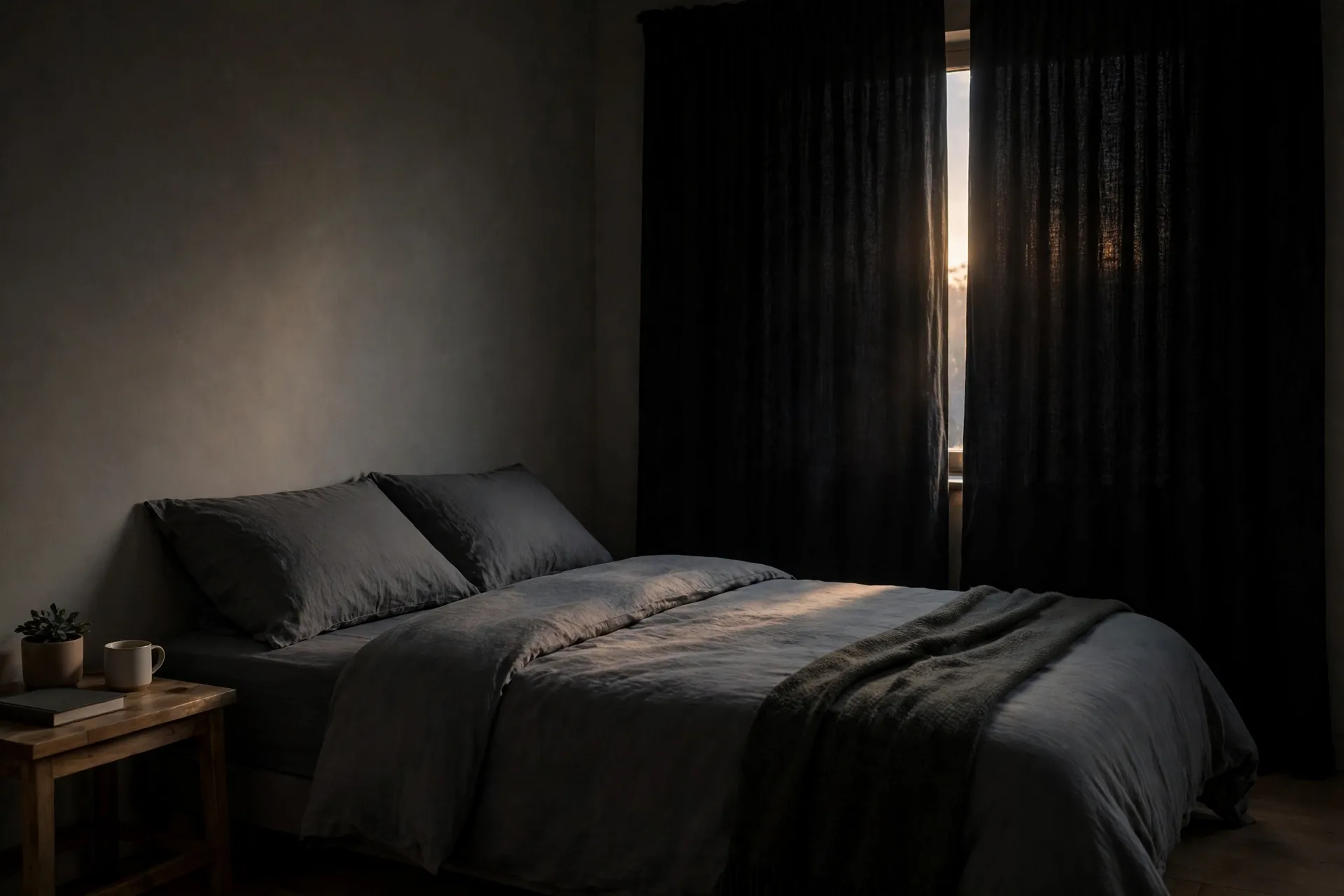
Insomnia Medication: What Helps and What Does Not
Insomnia medication can help in the short term, but it is rarely the whole answer. Doctors usually prescribe it for a few weeks while the person works on sleep habits and therapy. The most common types are medicines that make you drowsy, and melatonin, a hormone the body makes naturally.
Some insomnia medication works by making you drowsy, while other types work on the brain chemicals that control sleep and wakefulness. All of them can cause side effects, including grogginess the next day, and some can be habit forming. That is why doctors prefer to use them for a short time, and to stop them gradually rather than all at once.
A doctor may also talk about melatonin, a hormone the body makes naturally, though insomnia medication that contains melatonin is not a cure either. Supplements such as magnesium are popular online, but the evidence for them is limited, and they are not a substitute for treatment. Always tell your doctor about any supplement you take.
Other Sleep Disorders
Poor sleep can come from several different disorders. The most common sleep disorders include sleep apnea, restless legs syndrome, narcolepsy, and parasomnias such as sleepwalking and night terrors. People often ask what are the 5 types of sleep disorders, and the answer depends on how doctors group them, but the list above covers the ones doctors see most. Doctors see the most common sleep disorders in every age group, from children who snore to older adults with restless legs. Daytime tiredness is a sleep disorders symptom many people miss, since they blame it on a busy schedule.
It is worth knowing that insomnia is only one of several sleep disorders, and each one needs a different approach. Apnea sleep disorders are the most important to catch, because they affect breathing and heart health. In sleep apnea, the airway closes during sleep, and the person stops breathing for seconds at a time, then gasps awake. It causes loud snoring, morning headaches, and daytime tiredness. Loud snoring is a sleep disorders symptom that points to apnea, while an urge to move the legs at night points to restless legs syndrome. The most common sleep disorders are also the ones most often missed, because people blame the tiredness on work or stress instead of sleep.
REM sleep disorders are less common but can be serious. In REM sleep behavior disorder, people act out their dreams, sometimes injuring themselves or a partner. Acting out dreams is a sleep disorders symptom that needs a doctor's look, because it can lead to injury. REM sleep disorders can also cause vivid dreams that feel real, and a partner may notice shouting or arm movements before the person wakes. A doctor can tell REM sleep disorders apart from nightmares by asking whether the person moves or talks during dreams, since nightmares usually happen without movement. Sleep disorders and fatigue often go together, and fatigue can be the first sign that something is wrong with sleep. Sleep disorders in children are often missed, because children with poor sleep may seem hyperactive or moody rather than tired. Apnea sleep disorders are common in people who snore heavily or carry extra weight, and they are treated with a breathing machine, a mouth device, or weight loss. Treatment for REM sleep disorders often starts with making the bedroom safe, and a doctor may add medicine if the movements put anyone at risk.
Restless legs syndrome causes an urge to move the legs at night, often with tingling or crawling feelings, and it can keep a person awake for hours. Narcolepsy is rarer, and it causes sudden sleep attacks during the day, along with vivid dreams and brief muscle weakness. Both need a doctor's assessment, because the treatments are different from the treatments for trouble falling asleep. Sudden sleep attacks during the day are a sleep disorders symptom that sets narcolepsy apart from simple tiredness. If you snore loudly, kick at night, or fall asleep during the day, ask a doctor whether one of the most common sleep disorders could be the cause.
When to See a Doctor
If insomnia is affecting your work, your mood, or your safety, talk to a doctor. That includes falling asleep while driving, making mistakes at work, or feeling depressed or anxious because of poor sleep. A doctor can check for medical causes, review your medicines, and refer you for a sleep study or therapy.
If sleep insomnia is still a problem after a few weeks of better sleep habits, it is time to talk to a doctor. Do not wait months. The longer poor sleep lasts, the harder it is to fix, and the more it affects your health. A primary care doctor can start the conversation, and a mental health visit can help if stress, anxiety, or depression is part of the picture.
Frequently Asked Questions
what is insomnia definition
It is a sleep disorder where a person has trouble falling asleep, staying asleep, or waking too early, at least three nights a week for three months or more, and the poor sleep affects how they function during the day.
how to cure insomnia in 12 minutes
There is no 12 minute cure. The claim comes from a military relaxation method that some people find helpful for falling asleep, but it does not cure a sleep disorder. Real treatment takes weeks, and it usually starts with regular sleep habits and cognitive behavioral therapy.
how to know if you have insomnia
If you have trouble falling asleep or staying asleep three or more nights a week, and it has lasted three months or more, and you feel tired or foggy during the day, talk to a doctor. A sleep diary kept for two weeks can help a doctor see the pattern.
is insomnia a disability
It can be, in some cases. A sleep disorder that seriously affects work or daily life may qualify for workplace accommodations or disability benefits, but that depends on the rules where you live and on a doctor's assessment. We explain FMLA and disability for mental health conditions in our guide to depression and anxiety. Talk to a doctor and check the rules for FMLA and disability in your state.
can insomnia kill you
Poor sleep on its own does not usually kill a person, but it raises the risk of accidents, heart disease, diabetes, and depression, and those can be serious. Severe sleep deprivation can also cause hallucinations and confusion. If you have not slept for days, or you feel unsafe, talk to a doctor right away.
Talk to a Doctor Today
If poor sleep is affecting your days, start with a conversation. A MyHomeDoc doctor can review your sleep, your medicines, and your history, and talk with you about whether treatment is right for you and what the next steps would look like. Same day phone and video visits are available from $39, with no insurance needed, anywhere in Texas. Call +1 346 831 4832 or book at myhomedoc.care.
This article is for education only and is not medical advice. Talk to a doctor about your own situation before making any treatment decision.
Have questions? Talk to a doctor today.
MyHomeDoc physicians are available 7 days a week across Texas.
Book an Appointment