 MyHomeDoc

RSV (Respiratory Syncytial Virus): Symptoms, Prevention and Treatment in Texas
RSV in Texas: symptoms in babies and adults, how long it lasts, how long it spreads, the vaccine and the shot, and when to see a doctor.

RSV, short for respiratory syncytial virus, is one of the most common causes of colds and chest infections in babies and young children, and it also affects older adults. Every winter, Texas clinics see a wave of RSV cases, and parents ask the same questions: how long is rsv contagious, and how long will it last? The answers matter, because they decide when a child can go back to daycare and when grandparents should keep their distance.
This article explains what RSV is, the symptoms in babies, children, and adults, how long is rsv contagious, how long does rsv last, and what the vaccine and the shot can do. It also explains how to prevent it and when to see a doctor.
What Is RSV?
RSV stands for respiratory syncytial virus. It is a virus that infects the nose, throat, and lungs. Almost all children catch it by age two, and most adults catch it many times in life. RSV in adults usually feels like a cold, and the same is true for most older children. For babies, especially those under six months, and for older adults with heart or lung disease, it can cause bronchiolitis, which is swelling in the small airways of the lungs, or pneumonia.
RSV spreads through coughs, sneezes, and close contact, and through hands and surfaces touched by someone who is sick. The virus can live on hard surfaces for several hours. A baby can catch it from a sibling with a runny nose, or from a grandparent who feels only mildly ill.
In most people, RSV lasts one to two weeks, and how long does rsv last depends on age and health. Babies and older adults often take longer to recover. How long is rsv contagious is a different question, and the answer is usually a few days before symptoms start and up to a week after.
Symptoms in Babies, Children and Adults
In babies, RSV often starts like a cold: a runny nose, a cough, and a low fever. After a few days it can move into the chest, causing wheezing, fast breathing, and trouble feeding. Babies may breathe fast, pull in the skin between the ribs, or pause between breaths. Poor feeding and fewer wet diapers are warning signs.
RSV in adults usually causes a runny nose, a cough, a sore throat, a low fever, and tiredness, and older children get much the same. It can also cause wheezing in children with asthma. In older adults, especially those over 75 or with heart or lung disease, RSV can cause a bad cough, wheezing, and pneumonia.
How long is rsv contagious for a baby? Usually from a day or two before symptoms appear until about three to eight days after symptoms start. Babies and people with weak immune systems can spread it for longer, sometimes up to four weeks.
How Long Is RSV Contagious?
The contagious period is what parents worry about most, because it decides when a child can go back to daycare or school. People with RSV are usually most contagious in the first few days of illness, when the cough and runny nose are worst. Most people stop spreading the virus three to eight days after symptoms start, but the cough can last longer.
The honest answer to how long is rsv contagious is that it varies. RSV in adults usually spreads for three to eight days. Babies, young children, and people with weak immune systems can spread it for longer, sometimes for weeks. If you are asking how long is rsv contagious after a fever breaks, the fever is not the guide: the virus can still spread for a few days after the fever is gone.
Daycare and school rules vary. Many ask for a child to stay home until the fever is gone for 24 hours without medicine and the child can eat and play normally. Ask your daycare or school for its rule, and keep a sick child away from babies, older adults, and people with weak immune systems while symptoms are strong.
How Long Does RSV Last?
RSV usually lasts one to two weeks in total. The worst days are often days three to five, when the cough and congestion peak. After that, most people improve slowly, though the cough can linger for two to four weeks. How long does rsv last in babies? Often a bit longer, around two weeks, and the cough may last three weeks or more.
There is no medicine that kills RSV. Treatment focuses on comfort: fluids, rest, fever medicine such as acetaminophen or ibuprofen, and a cool mist humidifier. Saline nose drops and gentle suction can help a baby breathe and feed. Antibiotics do not help, because RSV is a virus. If you are wondering how long is rsv contagious while the cough lingers, the answer is that the cough can last weeks, but the virus usually stops spreading within a week.
RSV vs Flu and Cold
RSV, flu, and the common cold look alike at first, but there are differences. If you are wondering how long is rsv contagious compared with the flu, the answer is similar: both spread easily in the first days of illness.
- RSV: runny nose, cough, wheezing, fast breathing in babies; low to moderate fever; contagious 3 to 8 days, longer in babies
- Flu: sudden fever, body aches, tiredness, cough; high fever, often over 101; contagious 1 day before symptoms to 5 to 7 days after
- Common cold: runny nose, sneezing, sore throat, mild cough; fever rare or low; contagious 1 to 2 days before symptoms to about a week after
RSV is more likely than a cold to cause wheezing and breathing trouble in babies. Flu is more likely to cause sudden high fever and body aches. When in doubt, a test can tell them apart, and a doctor can advise on care.
The RSV Vaccine
There are now vaccines for RSV, and they work differently for different ages. RSV in adults can turn serious, so adults 75 and older, and adults 50 to 74 with a higher risk of severe RSV, can get a single RSV vaccine. Pregnant women can get the vaccine to protect their babies. There is also a preventive antibody shot for babies, which is covered below.
RSV vaccine side effects are usually mild. The most common rsv vaccine side effects are a sore arm, tiredness, headache, and muscle aches for a day or two. Serious side effects are rare. The vaccine does not give you RSV, because it contains no live virus.
The rsv shot for adults is different from the baby shot, so ask your doctor which one applies to you. For rsv vaccine pregnancy, the vaccine is given between 32 and 36 weeks of pregnancy, so the mother passes antibodies to the baby before birth. Information online cannot replace a conversation with your doctor, so ask at your next visit whether the vaccine is right for you.

RSV Vaccine in Pregnancy
RSV vaccine pregnancy is recommended for women who are 32 to 36 weeks pregnant during RSV season, so the baby is born with protection. The antibodies pass through the placenta and protect the baby in the first months of life, when RSV is most dangerous. RSV vaccine pregnancy is a single dose, and it is given in the arm like other vaccines.
If you are pregnant, ask your doctor about the timing. The rsv vaccine side effects in pregnancy are the same as for other adults: a sore arm, tiredness, and headache for a day or two. For rsv vaccine pregnancy, the goal is to give the dose early enough that antibodies build up before birth, but close enough to birth that protection is still strong. The vaccine is safe in pregnancy based on the studies so far.
Babies whose mothers were vaccinated still need normal care and checkups, and they should be kept away from sick people in the first months.
The RSV Shot for Babies
It is not a vaccine. It is a preventive antibody called nirsevimab, given as a single injection to babies under eight months old entering their first RSV season, and to some high risk children up to 19 months. It gives the baby ready made antibodies against RSV, and it cuts the risk of severe disease and hospital visits by a large amount.
The rsv shot is usually given in the fall, before RSV season starts. Parents sometimes mix up the two: rsv vaccine side effects are not the same as the shot's side effects, because the shot is an antibody, not a vaccine. Side effects are usually mild: a sore spot where the shot was given, a mild rash, or a low fever for a day. Ask your pediatrician whether your baby should get it, especially if your baby was born early or has heart or lung disease.
Prevention at Home
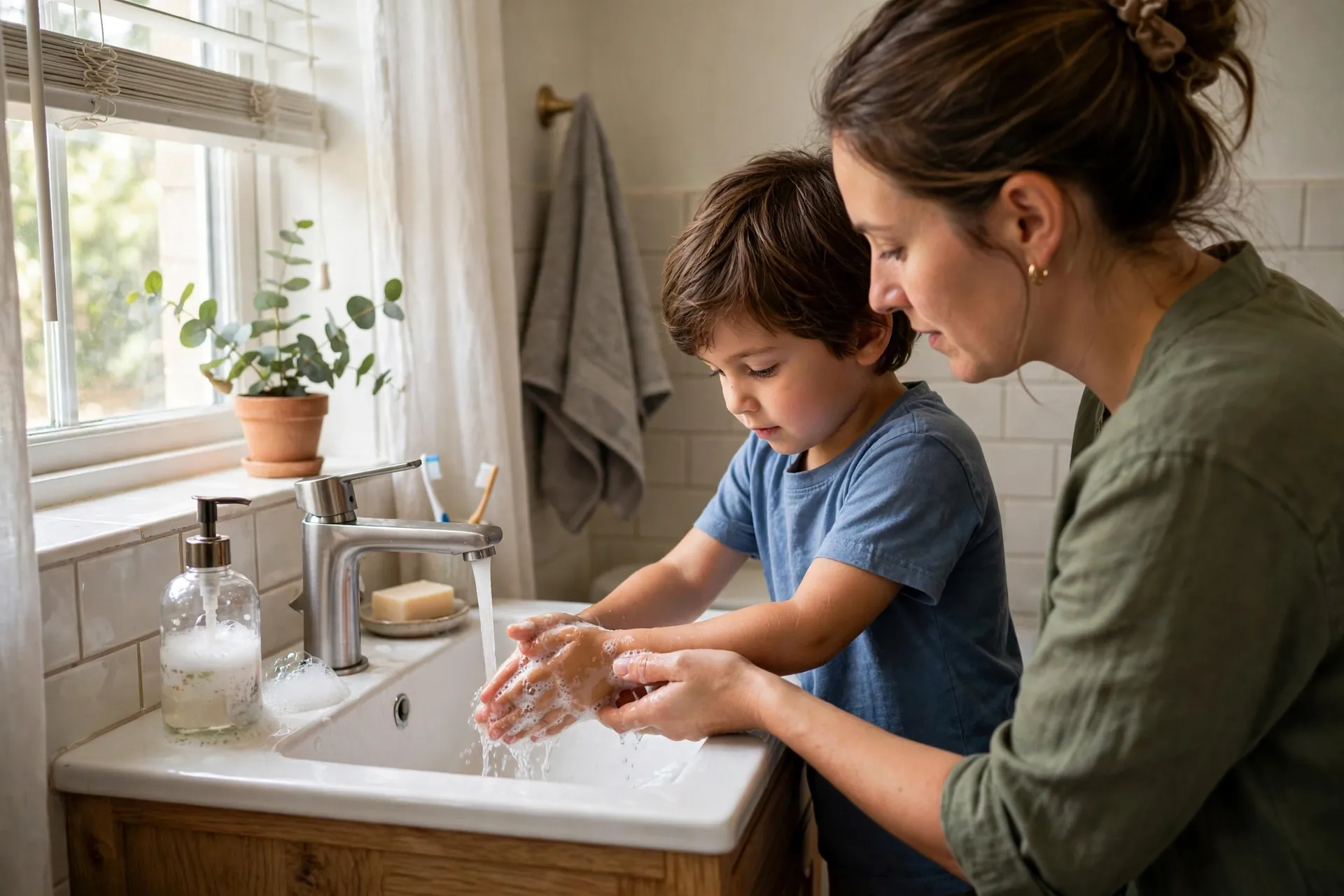
Prevention is simple and it works. Wash hands often with soap and water, especially before holding a baby. Cover coughs and sneezes. Clean surfaces that are touched often, such as doorknobs, phones, and toys. Keep sick children away from babies and older adults. Avoid crowded indoor places during RSV season if your baby is very young or high risk.
How long is rsv contagious on surfaces? The virus can live on hard surfaces for several hours and on hands for about 30 minutes, so hand washing and cleaning matter. Do not share cups, bottles, or utensils with someone who is sick. If someone in the house is ill, open windows when you can and keep the baby in a separate room for sleep.
Breastfeeding helps, because breast milk passes antibodies to the baby. Keeping up with routine vaccines also helps, because flu and other infections make RSV worse.
When to See a Doctor
Most RSV cases can be managed at home, but some need a doctor right away. If you are unsure how long is rsv contagious for your child, ask your pediatrician, because the answer depends on age and health. Call your pediatrician or go to urgent care if a baby breathes fast, wheezes, pulls in the skin between the ribs, pauses between breaths, feeds poorly, has fewer wet diapers than usual, or looks blue around the lips. Adults should seek care for trouble breathing, chest pain, a high fever that does not come down, confusion, or dehydration.
Call 911 if breathing is very hard or the lips turn blue. For adults with heart or lung disease, RSV can turn serious quickly, so do not wait if breathing gets worse.
Frequently Asked Questions
how long is rsv contagious
RSV is usually contagious for 3 to 8 days after symptoms start, and for a day or two before symptoms appear. How long is rsv contagious in babies and people with weak immune systems? Longer, sometimes up to four weeks. Most healthy adults stop spreading it within a week.
how long does rsv last
RSV usually lasts one to two weeks in total. The worst days are often days three to five, when the cough and congestion peak. The cough can linger for two to four weeks after the rest improves, especially in babies and young children.
what does rsv stand for
RSV stands for respiratory syncytial virus. The name comes from the way the virus makes infected cells fuse together into large cells, which doctors call syncytia. It is a common virus that infects the nose, throat, and lungs.
when is rsv season
RSV season usually runs from fall to spring, with the peak in winter. In Texas, cases often start rising in October and peak between December and February. The exact timing changes from year to year, so check with your doctor or local health department.
how contagious is rsv
RSV is very contagious. It spreads through coughs, sneezes, close contact, and contaminated hands and surfaces. Almost all children catch it by age two. The rsv shot for babies and the vaccine for older adults and pregnant women help protect the people most at risk.
Talk to a Doctor Today
If your baby is breathing fast, wheezing, or feeding poorly, or if you are an older adult with a bad cough and trouble breathing, talk to a doctor. A MyHomeDoc doctor can review symptoms, advise on care at home, and help you decide whether an in person visit is needed. Same day phone and video visits are available from $39, with no insurance needed, anywhere in Texas. Call +1 346 831 4832 or book at myhomedoc.care.
This article is for education only and is not medical advice. Talk to a doctor about your own situation before making any treatment decision.
Have questions? Talk to a doctor today.
MyHomeDoc physicians are available 7 days a week across Texas.
Book an Appointment