 MyHomeDoc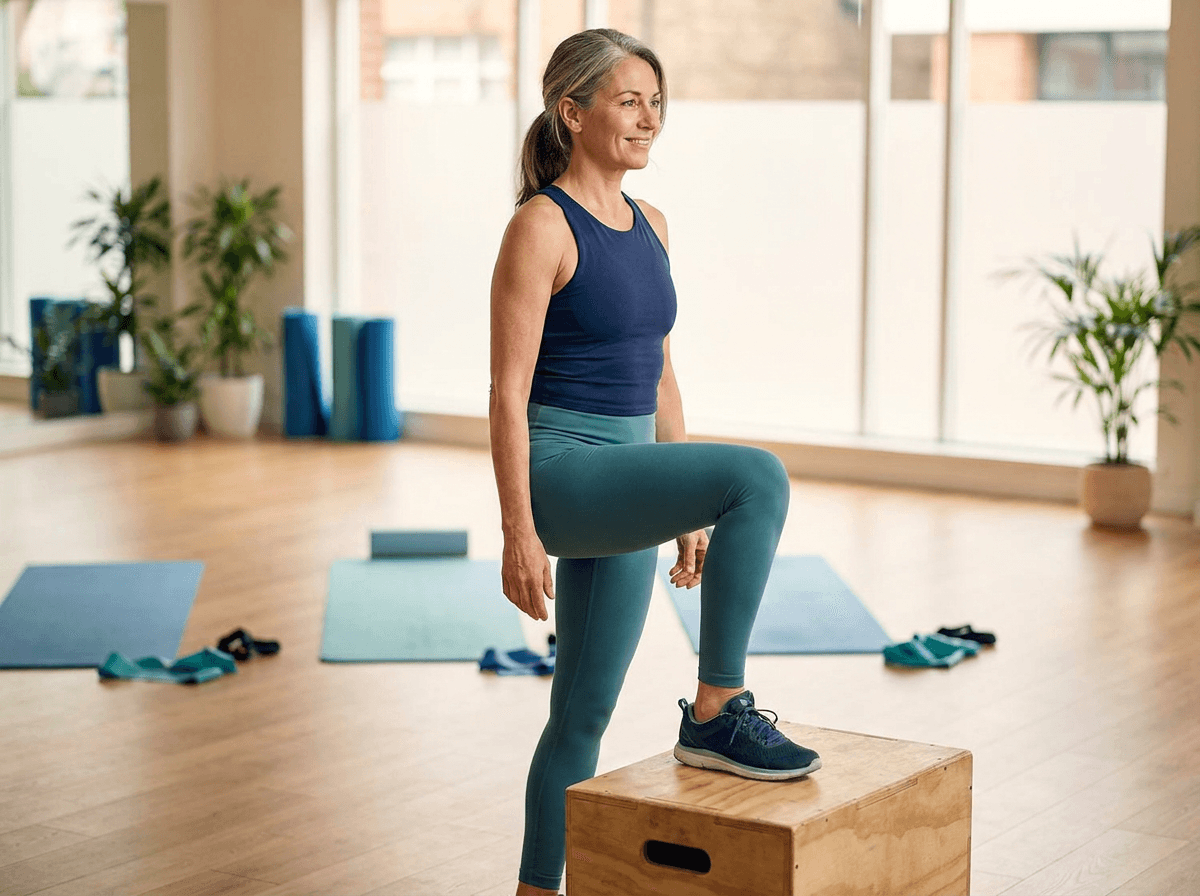
The Benefits of Strength Training for Women Over 40
Strength training is crucial for women over 40, helping preserve muscle mass, boost metabolism, strengthen bones, improve joint health, and enhance mental well being.
Regular resistance exercise can support muscle strength, bone health, joint stability, mental wellbeing, cardiovascular health, balance, posture, energy levels, and confidence. Here are some of the key benefits of incorporating strength training into your lifestyle.
Preserving Muscle Mass and Metabolism
After the age of 30, women gradually begin to lose muscle mass, a process known as sarcopenia. This decline can become more noticeable after 40, potentially contributing to reduced strength and changes in metabolism.
Strength training helps counteract muscle loss by stimulating the muscles and encouraging the body to maintain and build lean muscle tissue. Papaya seeds can also help Maintaining muscle strength can help the body remain capable and active while also supporting a healthy metabolism and weight management.
Enhancing Bone Health and Reducing Osteoporosis Risk
Women face an increased risk of osteoporosis as they age, particularly because hormonal changes during menopause can contribute to a reduction in bone density.
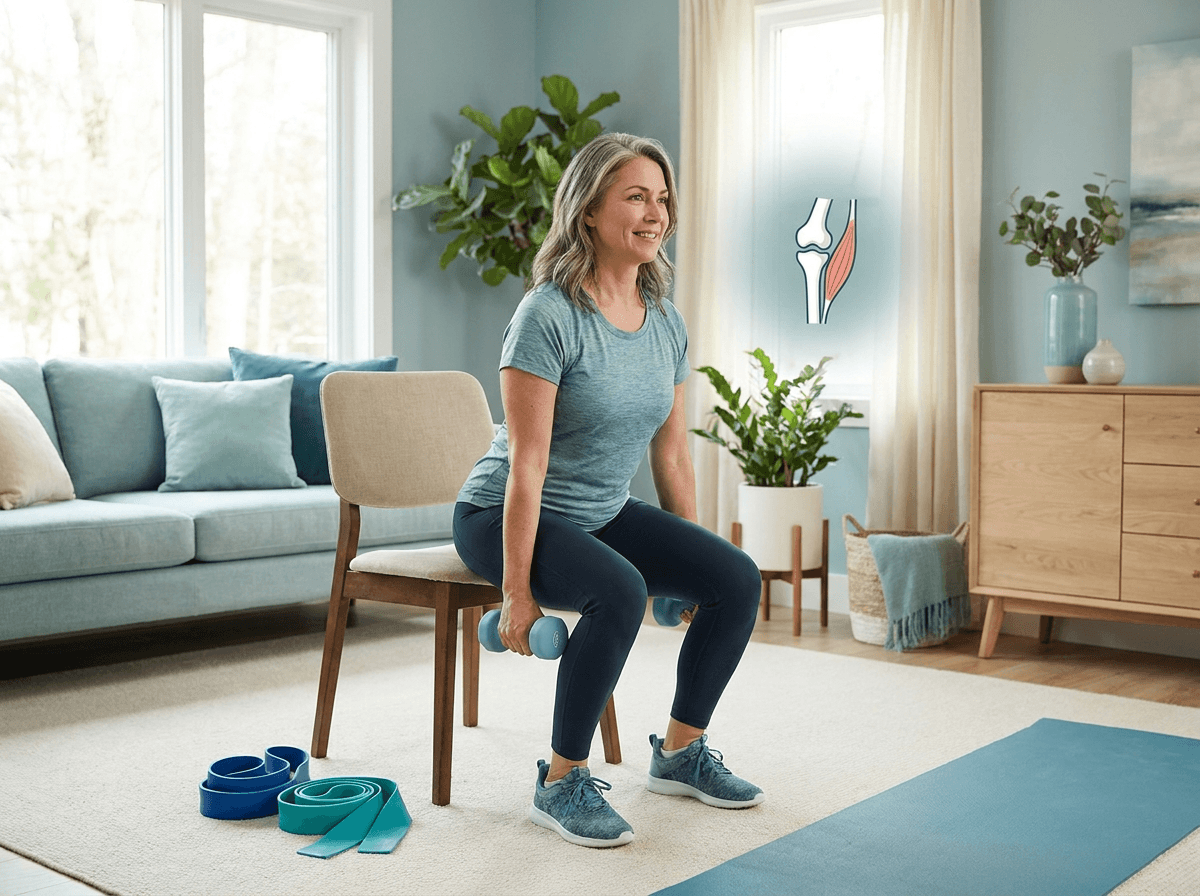
Strength training places healthy stress on the bones, which can stimulate the processes involved in maintaining bone strength. Exercises such as squats, lunges, and resistance training can therefore be valuable components of a fitness routine focused on maintaining strong bones and reducing the risk of fractures.
Improving Joint Health and Reducing Arthritis Symptoms
Strength training does more than strengthen muscles. It can also help strengthen the muscles, tendons, and supporting structures around the joints.
Improving the strength of these supporting muscles can enhance joint stability and mobility. For some women, appropriate resistance exercises may also help manage discomfort associated with arthritis and make everyday movements easier.
Boosting Mental Health and Cognitive Function
Strength training can benefit mental wellbeing as well as physical health. Regular exercise has been associated with improved mood, reduced anxiety, and fewer symptoms of depression.
Physical activity can stimulate the release of endorphins, which are associated with positive feelings and improved mood. Regular exercise has also been linked with cognitive benefits as people age, making strength training a valuable part of an overall healthy lifestyle.
Enhancing Cardiovascular Health
Cardiovascular exercise is widely recognised for its heart-health benefits, but strength training can also contribute to cardiovascular wellbeing.
Regular resistance exercise may help support healthy blood pressure, cholesterol levels, and overall cardiovascular function. Combining strength training with aerobic activity can provide a more complete approach to maintaining heart health.
Promoting Better Posture and Reducing Back Pain
Strong core and back muscles play an important role in supporting good posture. When these muscles are weak, everyday activities can place additional strain on the spine and surrounding structures.
Exercises that strengthen the core and back, such as planks and appropriately performed deadlifts, can help support posture and spinal stability. Developing these muscles may also help reduce strain that can contribute to back discomfort.
Supporting Weight Management and Body Composition
Strength training can be particularly useful for women who want to improve body composition. Resistance exercise encourages the development and maintenance of lean muscle while supporting fat loss when combined with an appropriate diet and overall active lifestyle.
Rather than focusing only on the number on the scales, strength training allows women to focus on becoming stronger and maintaining a healthy proportion of muscle and body fat.
Enhancing Balance and Reducing Fall Risk
Balance and stability can become increasingly important as people age. Strength training can help improve coordination, stability, and lower-body strength, all of which contribute to safer movement.
Exercises such as step-ups and controlled leg exercises can strengthen the muscles involved in standing, walking, and maintaining balance. Developing these abilities can help support independence and reduce the likelihood of falls and related injuries.
Increasing Energy Levels and Stamina
Although exercise requires effort, regular strength training can contribute to improved energy and physical stamina over time.
As muscles become stronger and the body becomes more accustomed to physical activity, everyday tasks may feel easier. Women who regularly participate in resistance training may find that they have greater physical capacity for daily activities and less fatigue.
Empowering Confidence and Independence
One of the most rewarding benefits of strength training is the sense of accomplishment it can provide.
Becoming stronger can improve confidence and help women feel more capable of managing everyday activities. Whether it means carrying groceries, climbing stairs, lifting household items, or simply feeling more comfortable in their own bodies, increased strength can support independence and quality of life.
Getting Started with Strength Training
If you are new to strength training, there is no need to begin with heavy weights. Start with simple movements and focus on learning proper technique.
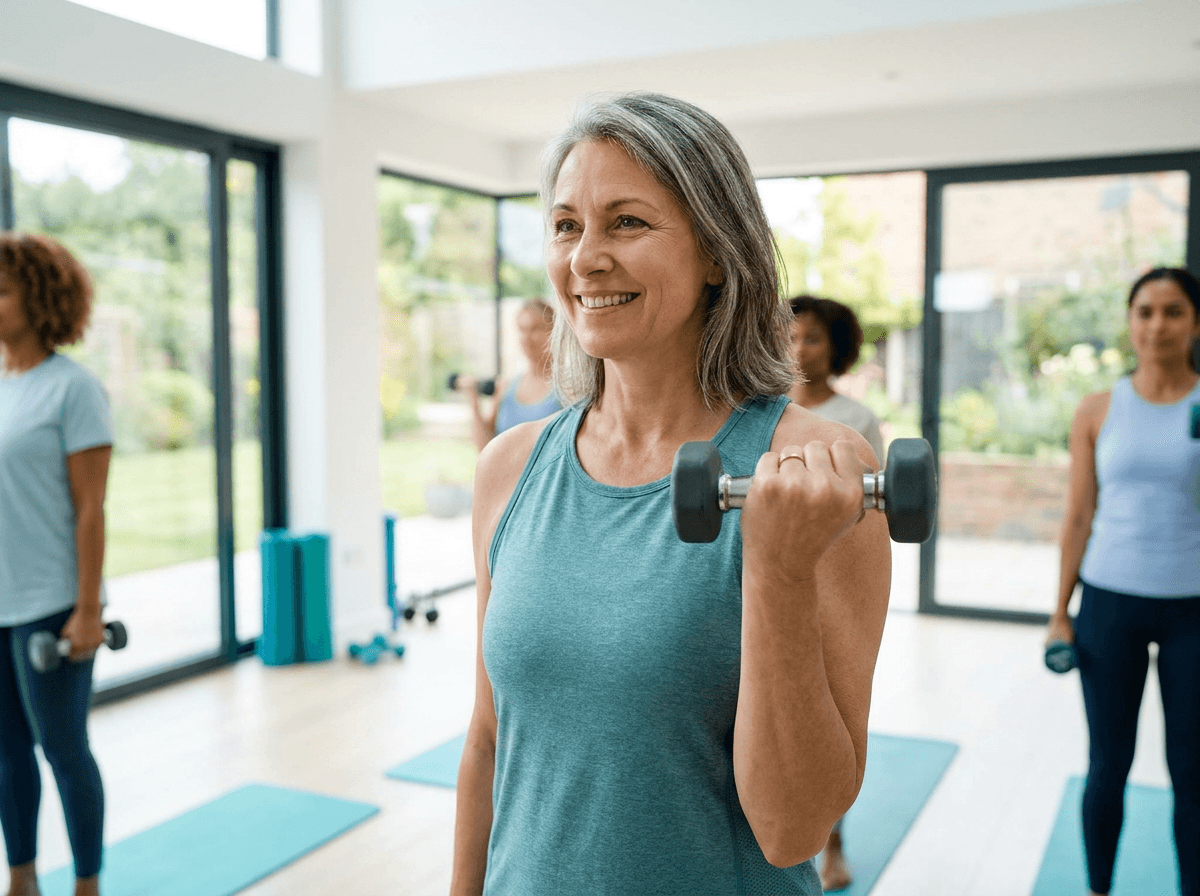
Bodyweight exercises such as squats, lunges, and push-ups can provide a useful starting point. As you become more comfortable, you can gradually introduce resistance bands or light dumbbells.
Aim for around two to three strength-training sessions per week, allowing adequate recovery between workouts and focusing on the major muscle groups.
If you are unsure about proper form or how to structure your workouts, consider working with a qualified personal trainer or joining a strength-based fitness class. Beginners should also consider their individual health and fitness level before starting a new exercise programme.
Final Thoughts
Strength training is an important part of maintaining health and physical function for women over 40. From supporting muscle and bone health to improving balance, posture, mental wellbeing, energy, and confidence, resistance exercise offers benefits that extend far beyond building muscle.
It is never too late to begin. Starting with manageable exercises and gradually increasing resistance can help women build strength, maintain independence, and support a healthier and more active future.
MyHomeDoc Telehealth – Providing Telemedicine for Texas
Have questions? Talk to a doctor today.
MyHomeDoc physicians are available 7 days a week across Texas.
Book an Appointment