 MyHomeDoc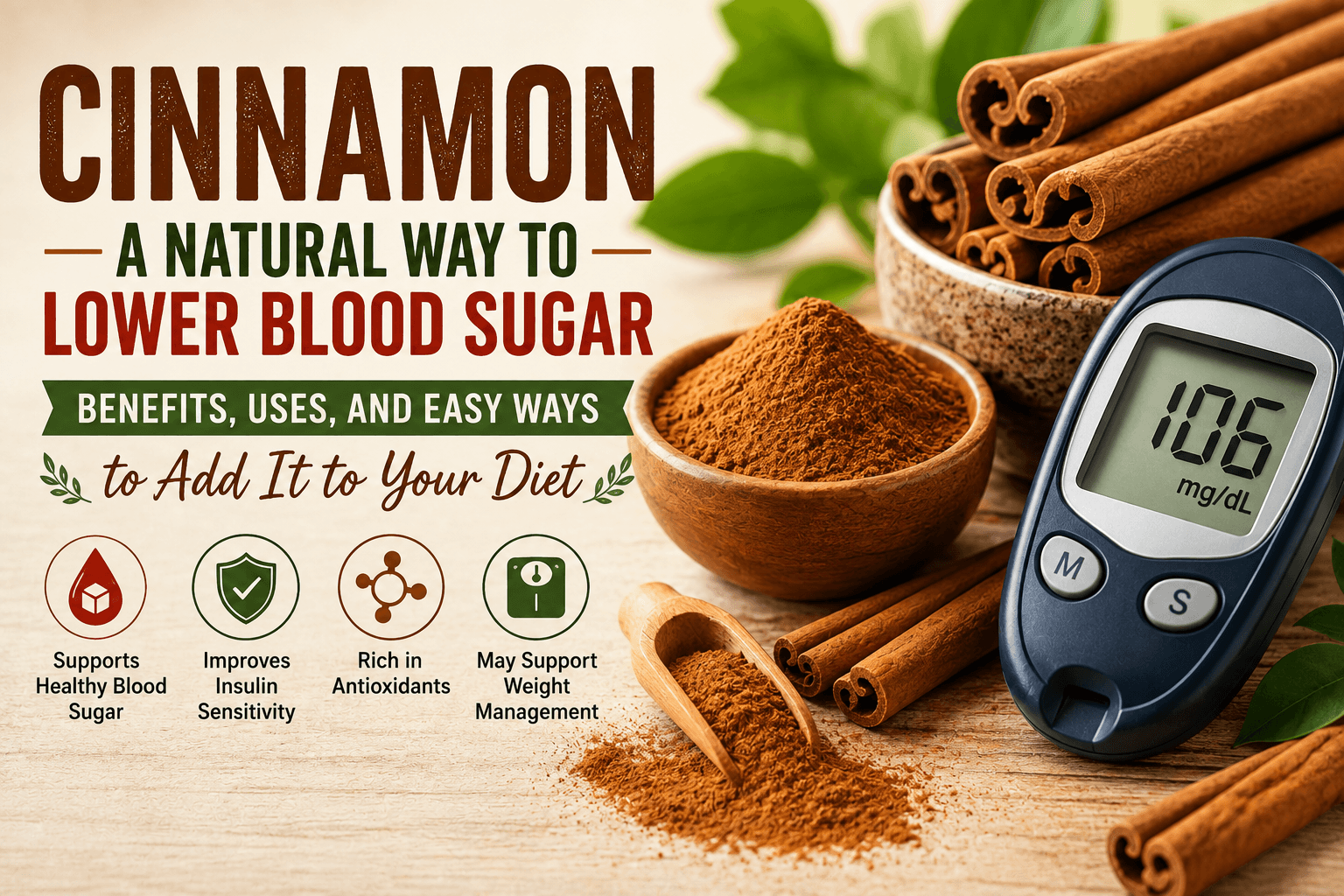
The Effect of Cinnamon on Blood Glucose Regulation
Cinnamon may help regulate blood glucose levels by improving insulin sensitivity and lowering blood sugar.
Cinnamon is more than a flavorful spice used to add a sweet and pungent taste to your favorite foods. For centuries, cinnamon has been valued for its potential health benefits, including its possible role in supporting healthy blood sugar levels.
If you are looking for natural ways to support glucose management as part of a balanced lifestyle, adding cinnamon to your diet may be worth considering. In this article, we'll explore the potential connection between cinnamon and blood sugar, how it may work, and simple ways to include it in your daily routine.
Why Is Cinnamon Considered a Blood Sugar-Regulating Spice?
Cinnamon comes from the bark of trees in the Cinnamomum family. Ceylon cinnamon, sometimes called "true cinnamon," is one variety that is commonly used in foods and beverages.
Cinnamon contains naturally occurring compounds such as polyphenols and antioxidants. Research has investigated whether these compounds may support insulin sensitivity and glucose metabolism.
However, cinnamon and pumpkin seeds should be viewed as a dietary addition rather than a replacement for prescribed diabetes treatment or a balanced diet.
The Science Behind Cinnamon and Blood Sugar
Some research suggests that cinnamon may have a modest effect on blood glucose and insulin sensitivity. Its antioxidant and anti-inflammatory compounds have been studied for their potential role in metabolic health.
Research has produced mixed results, however, and cinnamon should not be considered a proven treatment for diabetes. If you have diabetes or take medication that lowers blood sugar, speak with a healthcare professional before using large amounts of cinnamon regularly.
The potential benefits are best considered alongside other healthy habits, including nutritious meals, regular physical activity, adequate sleep, and appropriate medical care.
How to Add Cinnamon to Your Everyday Routine
One of the best things about cinnamon is how easy it is to incorporate into everyday meals. Here are several simple options.
1. Add Cinnamon to Your Morning Routine
Start your day by adding a small amount of cinnamon to foods such as:
- Oatmeal
- Yogurt
- Smoothies
- Whole-grain cereal
- Pancakes
- Waffles
- Tea or coffee
Cinnamon can provide a naturally sweet and warming flavor without requiring large amounts of added sugar.
2. Enjoy Cinnamon Rolls Mindfully
Who doesn't enjoy a warm cinnamon roll? Traditional cinnamon rolls can contain substantial amounts of added sugar and refined carbohydrates, so portion size matters.
If you're searching for cinnamon rolls near me, consider options made with whole-grain ingredients and less added sugar. You can also make your own cinnamon rolls at home and control the ingredients and sweetness.
3. Use Cinnamon Sticks
Cinnamon sticks can add a rich flavor to beverages and savory dishes. Try steeping a cinnamon stick in hot water to make a simple cinnamon-infused drink.
You can also experiment with cinnamon sticks in soups, stews, curries, and other recipes where their warm flavor complements the other ingredients.
4. Make a Cinnamon Sugar Mixture
A homemade cinnamon mixture can be used on toast, oatmeal, fruit, or desserts.
Instead of relying heavily on sugar, use cinnamon to provide flavor while keeping added sugar moderate. You can also experiment with naturally sweet foods such as apples, bananas, or berries.
Choosing the Right Cinnamon Powder
Not all cinnamon is the same. Two commonly discussed varieties are Ceylon cinnamon and Cassia cinnamon.
Cassia cinnamon generally contains higher levels of coumarin, a naturally occurring compound that can be harmful to the liver when consumed in excessive amounts over long periods. Ceylon cinnamon typically contains much less coumarin.
If you regularly consume cinnamon, choosing Ceylon cinnamon powder can be a practical option, particularly if you're concerned about long-term coumarin exposure.
How Much Cinnamon Should You Take?
Moderation is important. There isn't a universally established dose of cinnamon that can be recommended for everyone to control blood sugar.
Rather than consuming large quantities, use cinnamon as a normal culinary spice in meals and beverages. If you're considering concentrated cinnamon supplements or large daily amounts, talk with your healthcare provider first.
This is especially important if you take medication for diabetes, because combining blood-sugar-lowering strategies could potentially affect your glucose levels.
5. Add Cinnamon to Your Baking
Cinnamon can make homemade baked foods more flavorful without requiring excessive amounts of sugar.
Try adding cinnamon to:
- Homemade granola
- Muffins
- Whole-grain breads
- Oatmeal cookies
- Baked apples
- Energy bites
For a more balanced snack, combine cinnamon with nutrient-rich ingredients such as oats, nuts, seeds, fruit, or plain yogurt.
Can Cinnamon Help With Weight Loss?
Cinnamon is sometimes promoted as a weight-loss spice because of its potential effects on glucose metabolism and insulin sensitivity. However, there is not enough evidence to conclude that simply eating cinnamon causes significant weight loss.
Cinnamon may be a useful addition to a healthy eating pattern because it adds flavor without adding many calories. For meaningful weight management, focus on an overall balanced diet, appropriate portions, regular physical activity, and sustainable lifestyle habits.
Cinnamon as Part of a Balanced Diet
For people interested in supporting healthy blood sugar levels, cinnamon can be a flavorful addition to an overall nutritious diet. However, it should not be considered a "miracle" treatment for diabetes or used instead of medication prescribed by a healthcare professional.
You can enjoy cinnamon powder, cinnamon sticks, or occasional treats such as cinnamon rolls near me while maintaining a balanced approach to nutrition.
If you're also exploring nutritious foods that may support overall health, you can learn more about Brussels sprouts and their potential health benefits relating to inflammation.
Conclusion: Add Cinnamon to Your Healthy Lifestyle
Cinnamon is a versatile spice that can make everyday meals more enjoyable while providing naturally occurring antioxidants and other plant compounds. Research suggests that cinnamon may have a modest role in supporting blood sugar regulation, although more research is needed to understand its effects fully.
Try adding a small amount of cinnamon to your oatmeal, yogurt, smoothies, tea, or other favorite recipes. Remember that cinnamon works best as part of a healthy lifestyle, not as a replacement for proper diabetes care.
If you have persistent blood sugar concerns, diabetes, or unexplained changes in glucose levels, speak with a qualified healthcare professional for personalized guidance.
Have questions? Talk to a doctor today.
MyHomeDoc physicians are available 7 days a week across Texas.
Book an Appointment