 MyHomeDoc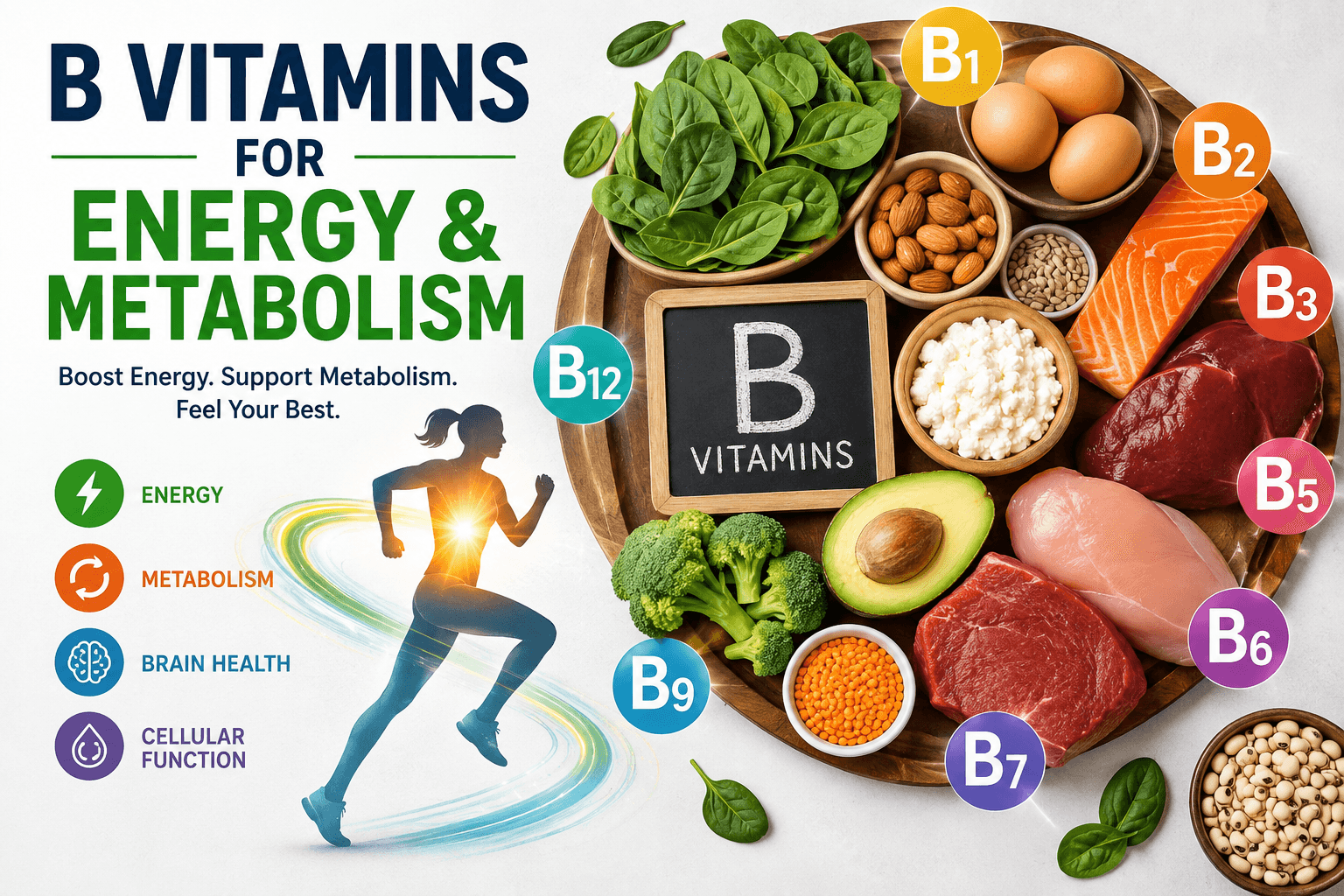
The Role of B Vitamins in Energy Production and Metabolism
B vitamins are essential for converting food into energy and supporting metabolism. They aid in breaking down carbohydrates, proteins.
B vitamins are essential nutrients that play a vital role in energy production, metabolism, and overall cellular function. These water soluble vitamins act primarily as coenzymes, helping the body convert carbohydrates, fats, and proteins from food into usable energy. Understanding how B vitamins support metabolism can help you make informed choices about your diet and overall nutritional health.
The B Vitamin Family
There are eight essential B vitamins, and each has specific functions that contribute to energy production, brain health, blood-cell formation, and metabolism.
Vitamin B1 (Thiamine)
Vitamin B1, also known as thiamine, helps the body convert carbohydrates into energy. It supports enzymes involved in glucose metabolism and plays an important role in maintaining healthy brain and nerve function.
Vitamin B2 (Riboflavin)
Vitamin B2, or riboflavin, helps the body metabolize carbohydrates, fats, and proteins. It also contributes to normal cellular function and supports the body's antioxidant defense systems.
Vitamin B3 (Niacin)
Vitamin B3, also called niacin, is involved in energy metabolism and helps cells produce ATP, the primary energy-carrying molecule in the body. Niacin also supports normal skin and nervous-system function.
Vitamin B5 (Pantothenic Acid)
Vitamin B5 is needed to produce coenzyme A, which is essential for breaking down and processing fatty acids and other nutrients. This makes pantothenic acid an important component of normal cellular energy metabolism.
Vitamin B6 (Pyridoxine)
Vitamin B6 supports amino-acid metabolism and helps the body produce neurotransmitters. It is also involved in hemoglobin production, which allows red blood cells to transport oxygen throughout the body.
Vitamin B7 (Biotin)
Biotin is commonly associated with healthy hair, skin, and nails, but it also has an important role in metabolism. It helps the body process carbohydrates, fats, and proteins for normal cellular function.
Vitamin B9 (Folate)
Vitamin B9, or folate, is essential for DNA synthesis, cell division, and normal growth. It also contributes to the formation of red blood cells and is particularly important during periods of rapid cell growth.
Vitamin B12 (Cobalamin)
Vitamin B12 is important for healthy nerve function, red blood-cell formation, and DNA synthesis. Along with folate, B12 supports several metabolic processes and helps the body properly use certain nutrients.
How B Vitamins Support Energy and Metabolism
B vitamins do not provide calories or energy directly. Instead, they help enzymes carry out the chemical reactions necessary to convert nutrients from food into usable energy.
For example, several B vitamins participate in the metabolism of carbohydrates, while others help process proteins and fats.
- Carbohydrates: Vitamins B1, B2, and B3 help support the pathways involved in carbohydrate metabolism.
- Proteins: Vitamin B6 plays an important role in amino-acid metabolism.
- Fats: Vitamins B2, B3, B5, and B7 contribute to various processes involved in fat metabolism.
- Cellular energy: Several B vitamins help support the biochemical pathways that ultimately produce ATP.
Because of these functions, inadequate intake of certain B vitamins can interfere with normal metabolism.
B Vitamin Deficiency and Fatigue
A deficiency in certain B vitamins may contribute to symptoms such as fatigue, weakness, difficulty concentrating, or changes in neurological function. Radishes can be included as part of a balanced diet, but they are not a significant source of most B vitamins. However, tiredness has many possible causes, including inadequate sleep, stress, dehydration, anemia, medical conditions, and other nutritional deficiencies.
If fatigue is persistent or unexplained, it is better to speak with a healthcare professional rather than assuming that a B-vitamin supplement is the solution.
Food Sources of B Vitamins
A varied, balanced diet can provide many of the B vitamins your body needs. Good sources include:
- Vitamin B1: Whole grains, legumes, pork, nuts, and seeds
- Vitamin B2: Milk, eggs, dairy products, and leafy green vegetables
- Vitamin B3: Meat, fish, poultry, peanuts, and fortified cereals
- Vitamin B5: Chicken, mushrooms, avocados, and whole grains
- Vitamin B6: Poultry, fish, potatoes, bananas, and chickpeas
- Vitamin B7: Egg yolks, nuts, seeds, and some vegetables
- Vitamin B9: Spinach, lentils, beans, asparagus, and fortified grains
- Vitamin B12: Meat, fish, eggs, dairy products, and fortified plant-based foods
People following restrictive diets, particularly those who avoid animal products, may need to pay special attention to vitamin B12 intake.
Should You Take B Vitamin Supplements?
Most people can obtain sufficient B vitamins through a balanced diet. However, supplementation may be appropriate for some people depending on their diet, age, medications, absorption problems, or specific nutritional needs.
Taking large amounts of certain B vitamins without medical guidance is not necessarily beneficial and can sometimes cause adverse effects. If you suspect a deficiency, a healthcare professional can help determine whether testing or supplementation is appropriate.
The Bottom Line
B vitamins are essential for energy metabolism and overall health. They help the body process carbohydrates, proteins, and fats while supporting important functions such as nervous-system health, red-blood-cell production, DNA synthesis, and cellular function.
A nutritious, varied diet is generally the best way to obtain these essential nutrients. If you experience persistent fatigue or other symptoms that concern you, consider speaking with a healthcare provider to identify the underlying cause.
MyHomeDoc Telehealth – Providing Telemedicine for Texas
www.MyHomeDoc.care
Have questions? Talk to a doctor today.
MyHomeDoc physicians are available 7 days a week across Texas.
Book an Appointment