 MyHomeDoc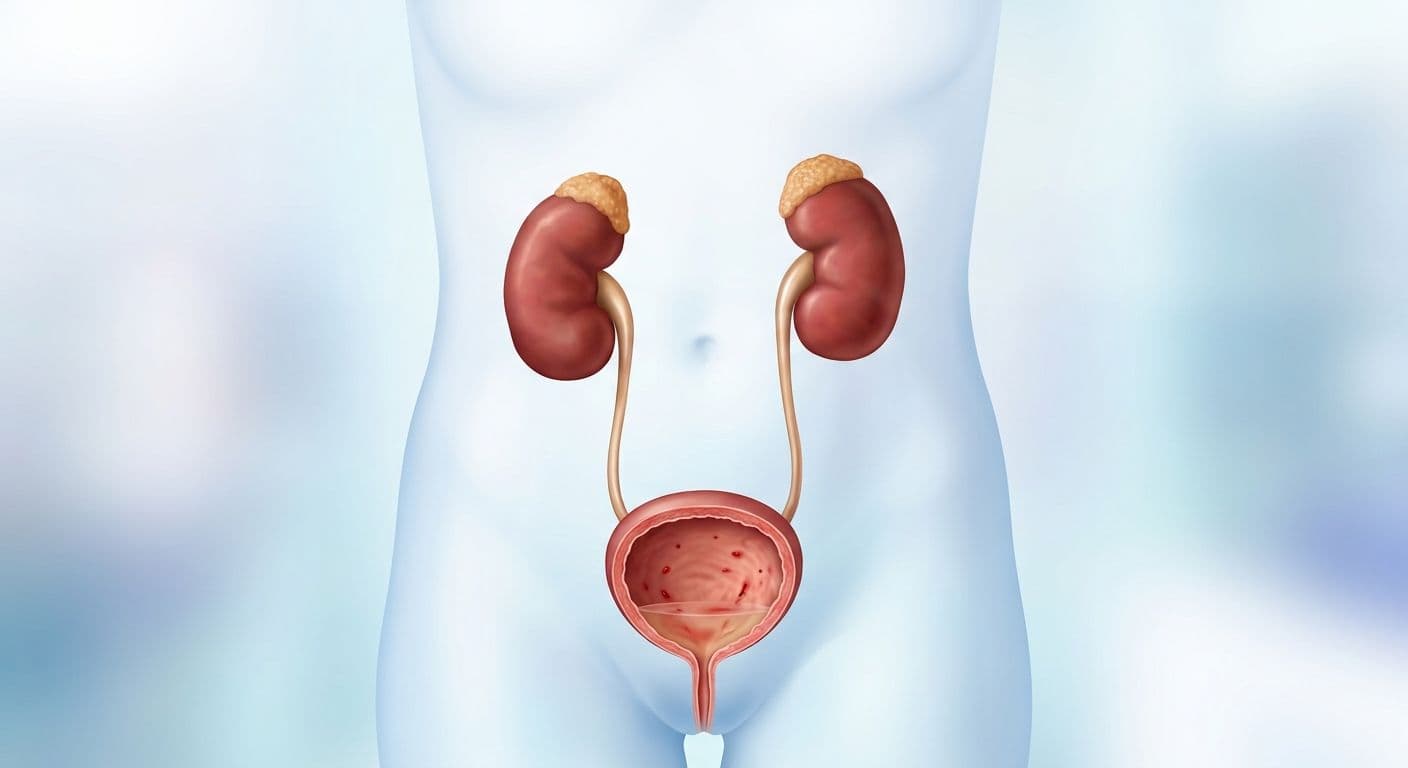
UTI Bleeding: Causes, Symptoms, Treatment & When to Seek Care
UTI bleeding can cause pink, red, or bloody urine. Learn UTI symptoms in women, causes, kidney infection warning signs, treatment, prevention, and when to seek care.
Seeing blood when you urinate can be scary, especially when it happens with burning, frequent urination, or pain. A urinary tract infection is one possible reason for blood in the urine, but it is not the only cause.
UTI bleeding can happen when infection and inflammation irritate the bladder or other parts of the urinary system. Maintaining overall health, including keeping the best iron level for women to support healthy red blood cells, is important when dealing with any type of blood loss. Knowing what to look for can help you understand when you may need medical care.
In this guide, we will explain what uti bleeding means, common causes, symptoms, treatment options, prevention tips, and warning signs that should not be ignored.
What Is UTI Bleeding?
UTI bleeding means seeing blood in the urine when you have symptoms of a urinary infection or have been diagnosed with a urinary tract infection.
The urinary system includes the kidneys, ureters, bladder, and urethra. Most urinary infections affect the lower urinary tract, especially the bladder and urethra.
When bacteria enter the urinary tract, they can multiply and cause inflammation. This irritation may sometimes lead to blood appearing in the urine.
Blood may make urine look:
- Pink
- Red
- Dark red
- Brown or cola-colored
Sometimes blood is not visible and can only be found during a urine test.
Although uti bleeding can occur with a bladder infection, blood in the urine should not automatically be blamed on an infection. Kidney stones, urinary inflammation, certain medications, trauma, and other urinary conditions can also cause blood in the urine.
What Does UTI Bleeding Look Like?
UTI bleeding can appear differently depending on how much blood is present.
You may notice:
- Pink urine
- Red urine
- Brown-colored urine
- Small amounts of blood mixed with urine
- Blood detected through a urine test
- Blood along with burning or painful urination
If blood is visible, it is important to tell a healthcare professional. A urine test can check for blood, white blood cells, bacteria, and other signs of a urinary tract infection.
Blood accompanied by fever, chills, nausea, vomiting, or back and side pain may require more urgent attention.
Common UTI Symptoms in Women
Knowing the common uti symptoms in women can help you recognize an infection early.
Symptoms may include:
- Burning while urinating
- Frequent urination
- A strong urge to urinate
- Passing only small amounts of urine
- Pelvic pain
- Lower abdominal discomfort
- Bladder pressure
- Cloudy urine
- Blood in urine
- Strong-smelling urine
The female urinary tract is more likely to develop urinary infections partly because the urethra is shorter and closer to the rectum. This can make it easier for bacteria to enter the urinary system.
The female urinary tract includes the kidneys, ureters, bladder, and urethra. Bacteria can enter through the urethra and travel toward the bladder.
For many women, uti symptoms in women begin with burning, urgency, or frequent urination. However, symptoms can vary from person to person.
If uti symptoms in women include visible blood, severe pain, fever, or vomiting, medical evaluation is especially important.
Can a UTI Cause Blood in the Urine?
Yes. A bladder infection can cause blood in the urine. Inflammation and irritation of the bladder lining may cause small blood vessels to bleed.
This means uti bleeding can occur during a bladder infection.
However, a urinary tract infection is not the only possible cause of blood in urine. Kidney stones, urinary tract inflammation, prostate problems, trauma, and other conditions can also cause hematuria.
If uti bleeding continues after urinary symptoms improve, speak with a healthcare professional. Further testing may be needed to identify the cause.
How Can a UTI Reach the Kidneys?
Most urinary infections begin in the lower urinary tract. In some cases, bacteria can travel upward from the bladder toward the kidneys and cause a kidney infection.
The ureters are tubes that carry urine from the kidneys to the bladder. A ureteral problem can affect normal urine flow and may contribute to urinary complications.
People often search for uti into kidney symptoms when they are worried that an infection has become more serious.
Possible kidney infection symptoms include:
- Fever
- Chills
- Back pain
- Side or flank pain
- Nausea
- Vomiting
- Painful urination
- Frequent urination
When uti into kidney symptoms occur, prompt medical evaluation is important. Kidney infections can become serious if they are not treated.
The term ureteral refers to something related to the ureters. For example, a ureteral blockage can interfere with urine flow.
A ureteral stone or blockage can also cause severe pain and blood in the urine.
If you develop uti into kidney symptoms along with uti bleeding, do not wait for the symptoms to become severe before seeking medical advice.
UTI Symptoms in Women That Should Not Be Ignored
Some uti symptoms in women are uncomfortable but common. Other symptoms can indicate that you need medical attention quickly.
Contact a healthcare professional if you have:
- Visible blood in the urine
- Fever
- Chills
- Severe back or side pain
- Nausea or vomiting
- Severe pelvic pain
- Difficulty urinating
- Symptoms that are getting worse
- Symptoms that do not improve after treatment
UTI bleeding together with fever and back or side pain can be concerning because these symptoms may occur when an infection has reached the kidneys.
Pregnancy also requires extra attention. If you are pregnant and have urinary symptoms or blood in your urine, contact your healthcare professional for appropriate evaluation.
What Causes a Urinary Tract Infection?
A urinary tract infection usually develops when bacteria enter the urinary system through the urethra and begin to multiply.
Common risk factors include:
- Female anatomy
- Previous urinary infections
- Recent sexual activity
- Pregnancy
- Menopause
- Changes in vaginal flora
- Low fluid intake
- Constipation
- Incomplete bladder emptying
- Kidney stones
- Enlarged prostate
- Catheter use
- Urinary procedures
- Diabetes
- A weakened immune system
The female urinary tract has a shorter urethra than the male urinary tract. This is one reason women have a higher risk of urinary infections.
A ureteral blockage or urinary tract obstruction can also affect normal urine flow.
People who have repeated infections may develop a recurrent UTI, which can require additional evaluation and prevention strategies.

How Is UTI Bleeding Diagnosed?
When uti bleeding occurs, a healthcare professional may ask about your symptoms, medical history, and any previous urinary infections.
A urine test may look for:
- Blood
- White blood cells
- Bacteria
- Signs of inflammation
A urine culture may also be used to identify bacteria and help determine whether antibiotic treatment is appropriate.
Depending on your symptoms, a healthcare professional may recommend additional testing. This can be especially important when there is severe pain, repeated infection, blood that does not go away, or concern about a kidney infection or kidney stone.
How Is UTI Bleeding Treated?
Treatment depends on the cause.
When testing and clinical evaluation show that bacteria are causing a urinary tract infection, a healthcare professional may prescribe antibiotics.
Take antibiotics exactly as prescribed. Do not use leftover antibiotics or take medication prescribed for someone else.
If uti bleeding is caused by an infection, the blood may improve as the infection is treated. However, persistent blood should be evaluated.
Do not assume that every episode of blood in the urine is another UTI. Repeated or unexplained bleeding may need additional testing.
How to Feel Better While Recovering
If you have urinary symptoms, some practical steps may help you stay comfortable while receiving appropriate medical care.
Drink enough fluids
Water and other fluids can help maintain hydration. If a healthcare professional has told you to restrict fluids because of another health condition, follow that advice instead.
Take prescribed medication correctly
If antibiotics are prescribed, take every dose according to the instructions. Do not stop early simply because you feel better unless your healthcare professional tells you to do so.
Avoid sharing antibiotics
Antibiotics should only be taken when prescribed for you. Sharing medication can result in the wrong treatment.
Monitor your symptoms
Pay attention to changes in pain, fever, urination, and blood in the urine.
If symptoms become worse, contact a healthcare professional.
Can UTI Bleeding Be Prevented?
There is no guaranteed way to prevent every urinary tract infection, but certain habits may lower the risk.
You can:
- Drink enough water
- Avoid holding urine for long periods
- Urinate after sexual activity
- Practice good hygiene
- Avoid products that irritate the genital area
- Manage constipation
- Follow your healthcare professional's advice for recurrent infections
Some people experience repeated urinary infections. If you frequently experience uti bleeding, it is important to discuss the pattern with a healthcare professional instead of repeatedly treating the symptoms without evaluation.
UTI in Kids
A urinary tract infection can also occur in children. Younger children may not be able to explain burning, pain, or urinary urgency.
Parents searching for signs of uti in toddler may notice:
- Fever
- Irritability
- Changes in urination
- Vomiting
- Poor appetite
- New accidents after toilet training
- Abdominal or back discomfort
UTI in kids can sometimes be difficult to recognize because symptoms may be different from those experienced by adults.
If a child younger than 3 months has a fever of 100.4°F (38°C) or higher, seek prompt medical attention.
Can a UTI Cause Nausea?
Yes. Nausea can occur when a urinary infection affects the kidneys.
UTI nausea is more concerning when it occurs with fever, chills, vomiting, or pain in the back or side.
If UTI nausea is severe or you cannot keep fluids down, seek medical care.
A kidney infection may require prompt treatment, particularly when symptoms are getting worse.
Why Does My Bladder Hurt?
If you are wondering, why does my bladder hurt, a bladder infection is one possible explanation.
Bladder discomfort can occur with:
- Burning urination
- Frequent urination
- Urinary urgency
- Pelvic pain
- Blood in urine
- Bladder pressure
However, bladder pain can have other causes. Kidney stones, bladder inflammation, and other urinary conditions can also cause discomfort.
If bladder pressure is severe or persistent, especially when accompanied by blood, fever, vomiting, or difficulty urinating, seek medical evaluation.
When Should You Seek Medical Care?
You should contact a healthcare professional if you notice blood in your urine or have symptoms of a urinary tract infection.
Seek prompt medical attention if you have:
- Heavy or persistent blood in urine
- High fever
- Chills
- Severe back or side pain
- Repeated vomiting
- Severe weakness
- Confusion
- Difficulty passing urine
- Symptoms that are rapidly worsening
UTI bleeding combined with fever, chills, and back or side pain may indicate that the infection has moved beyond the bladder.
A uti into kidney infection can become serious if it is not treated.

How MyHomeDoc Can Help
If you have urinary symptoms and need convenient medical guidance, MyHomeDoc can help you connect with a healthcare professional through telehealth.
Whether you are concerned about uti bleeding, burning while urinating, frequent urination, bladder discomfort, or other urinary symptoms, an online visit can be a convenient way to discuss what you are experiencing.
A healthcare professional can review your symptoms and determine whether you may need urine testing, medication, or in-person evaluation.
If symptoms are severe, especially fever, repeated vomiting, severe pain, confusion, or signs of a serious kidney infection, seek urgent medical care rather than waiting for a routine telehealth visit.
Frequently Asked Questions
1. Is UTI bleeding always serious?
No. A bladder infection can cause blood in the urine, but blood can also have other causes. Because visible blood should not automatically be assumed to be an infection, it is important to discuss it with a healthcare professional.
2. What are the most common UTI symptoms in women?
Common uti symptoms in women include burning during urination, frequent urination, urgency, pelvic discomfort, bladder pressure, cloudy urine, and blood in the urine. Fever, chills, nausea, vomiting, and back or side pain may indicate kidney involvement.
3. Can a UTI spread to the kidneys?
Yes. Bacteria can move upward from the bladder through the urinary tract and cause a kidney infection. Uti into kidney symptoms can include fever, chills, back or side pain, nausea, vomiting, and painful urination.
4. What are the signs of UTI in toddler?
Possible signs of uti in toddler include fever, irritability, changes in urination, vomiting, poor appetite, new accidents, or abdominal discomfort. Because toddlers may not be able to explain their symptoms, medical evaluation is important when a UTI is suspected.
5. Can MyHomeDoc help with UTI symptoms?
Yes. MyHomeDoc offers convenient telehealth care for many common health concerns. A healthcare professional can review symptoms such as burning urination, frequent urination, uti bleeding, or bladder discomfort and help determine the appropriate next step.
Final Takeaway
UTI bleeding can occur when a bladder infection causes inflammation and irritation, but blood in the urine can have several possible causes.
Pay attention to other symptoms, particularly fever, chills, nausea, vomiting, severe pain, or back and side pain. These symptoms can occur when a urinary tract infection has reached the kidneys and may require prompt medical care.
If you are experiencing urinary symptoms and need convenient medical guidance, MyHomeDoc can help you discuss your symptoms with a healthcare professional through telehealth.
Have questions? Talk to a doctor today.
MyHomeDoc physicians are available 7 days a week across Texas.
Book an Appointment