 MyHomeDoc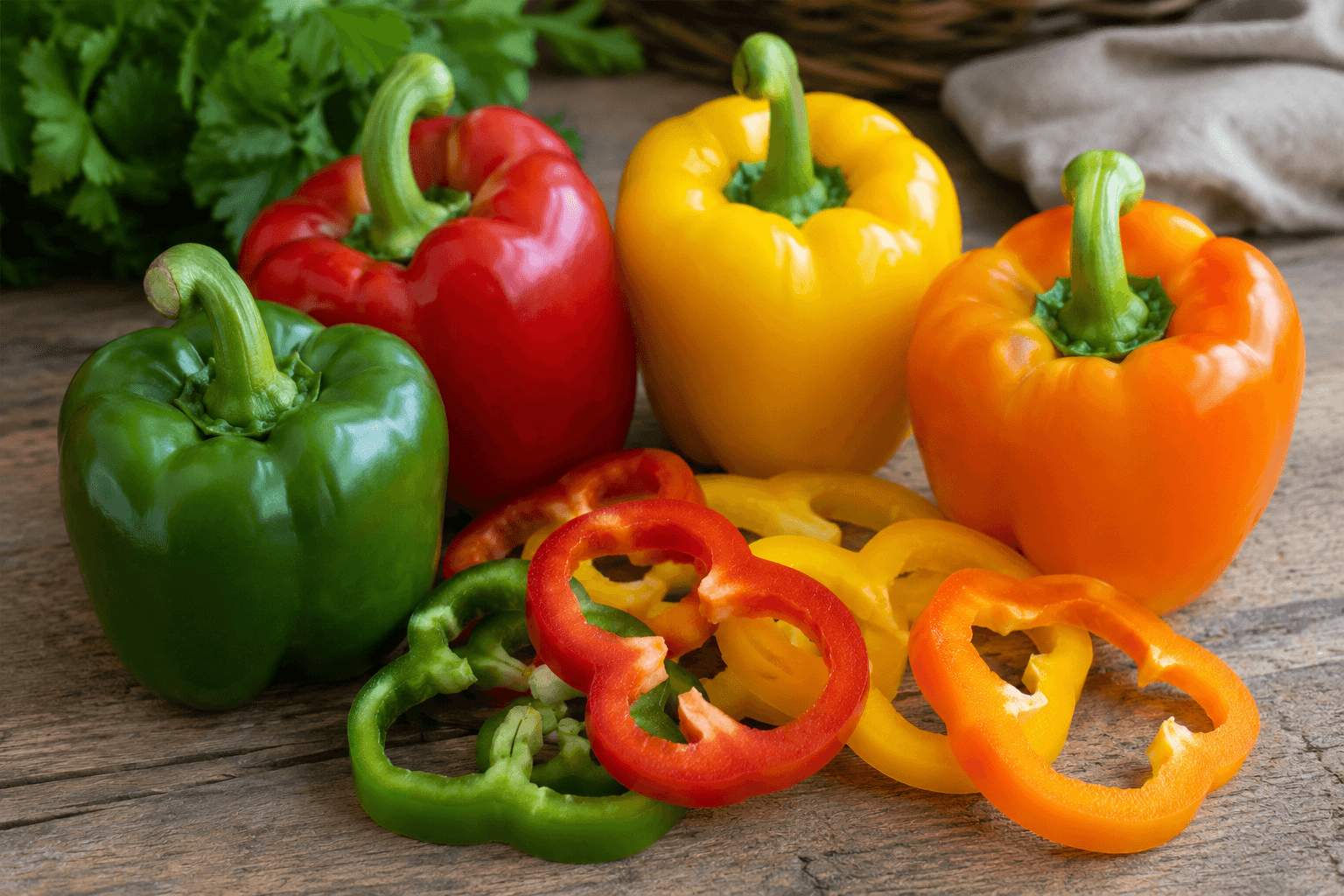
An In Depth Description of Bell Peppers: Their Forms and Distinctions Based on Culinary Application
Explore bell pepper types, colours, forms, flavours, nutrition and the best culinary uses. Learn how to choose and prepare bell peppers for every dish.
Bell peppers are among the most versatile vegetables used in kitchens around the world. They come in different colours, shapes and sizes, and each type can bring a slightly different flavour and texture to a dish. From fresh salads and sandwiches to stir-fries, soups, sauces and stuffed peppers, bell peppers can be used in countless ways.
Although green, red, yellow and orange bell peppers may look quite different, they are closely related. The main differences are often connected to their variety, maturity, flavour and how they are prepared. For seniors and caregivers looking for convenient healthcare support, an Online Doctor Appointment can also make it easier to discuss dietary concerns, nutrition-related questions and general health needs from home.
Understanding the different forms of bell peppers can help you choose the right one for your recipe. Some are better when eaten raw, while others become sweeter and more flavourful when roasted, grilled or cooked.
This guide explores the different types and colours of bell peppers, their characteristics, nutritional qualities and the best culinary applications for each.
What Are Bell Peppers?
Bell peppers are sweet peppers that belong to the Capsicum family. Unlike chilli peppers, they contain little to no capsaicin, which is the compound responsible for the hot or burning sensation associated with spicy peppers.
For this reason, bell peppers have a mild flavour and can be enjoyed by people who prefer foods without much heat.
Bell peppers are commonly called sweet peppers or capsicums in some parts of the world. They are available throughout the year and are often used in both raw and cooked dishes.
Their hollow interior also makes them particularly useful for stuffing. Once the stem, seeds and inner membranes are removed, the pepper provides a natural container for fillings such as rice, vegetables, beans, meat or other ingredients.
Why Are Bell Peppers Different Colours?
One of the most noticeable characteristics of bell peppers is their colour.
The most common colours include:
- Green
- Red
- Yellow
- Orange
- Purple
- Brown or chocolate-coloured varieties
Colour can be influenced by the pepper's variety and its stage of maturity. Green bell peppers are commonly harvested earlier, while many peppers develop a different colour as they mature.
As bell peppers mature, their flavour can also change. Green peppers often have a stronger, slightly bitter or grassy taste, while mature red, yellow and orange peppers are generally sweeter.
This difference is important when selecting peppers for cooking.
Green Bell Peppers
Green bell peppers are one of the most familiar types. They are usually harvested before reaching full maturity and have a firm, crisp texture.
Their flavour is generally less sweet than mature coloured peppers. Instead, they have a fresh, grassy and slightly bitter taste that works especially well in savoury dishes.
Culinary Uses of Green Bell Peppers
Green bell peppers are particularly useful in recipes where you want a stronger savoury flavour.
They can be used in:
- Fajitas
- Stir-fries
- Omelettes
- Pizzas
- Chilli
- Pasta dishes
- Soups
- Stews
- Rice dishes
- Salads
They also hold their shape well when cooked, making them a good choice for dishes that require vegetables to retain some texture.
If you are preparing a savoury recipe and do not want too much sweetness, green bell peppers can be an excellent option.
Red Bell Peppers
Red bell peppers are known for their bright colour and naturally sweet flavour. They are often allowed to mature longer than green peppers, which contributes to their sweeter taste.
They have a softer and sometimes juicier texture than green bell peppers, particularly when fully ripe.
Red bell peppers are also a popular choice for people who enjoy eating peppers raw.
Culinary Uses of Red Bell Peppers
Red bell peppers are suitable for both raw and cooked recipes.
They can be used in:
- Fresh salads
- Sandwiches
- Wraps
- Pasta
- Roasted vegetables
- Soups
- Sauces
- Dips
- Stuffed peppers
- Grilled dishes
Roasting red peppers can make them even sweeter and softer. Roasted red peppers can then be blended into sauces or dips or added to sandwiches and salads.
Yellow Bell Peppers
Yellow bell peppers have a bright, attractive colour and a mild, slightly sweet flavour.
They are often less bitter than green peppers and can add colour without overpowering the other ingredients in a recipe.
Their crisp texture makes them suitable for raw dishes, while their natural sweetness develops further when they are cooked.
Culinary Uses of Yellow Bell Peppers
Yellow bell peppers can be used in:
- Salads
- Stir-fries
- Vegetable skewers
- Fajitas
- Rice dishes
- Pasta
- Sandwiches
- Wraps
- Roasted vegetable dishes
They are especially useful when you want a colourful meal with a mild pepper flavour.
Orange Bell Peppers
Orange bell peppers are another sweet and colourful option. They generally have a mild flavour and crisp texture when fresh.
Their bright orange colour makes them particularly appealing in salads and vegetable dishes.
Orange peppers can also provide a pleasant balance between sweetness and freshness.
Culinary Uses of Orange Bell Peppers
Try using orange bell peppers in:
- Salads
- Vegetable bowls
- Stir-fries
- Wraps
- Sandwiches
- Roasted vegetables
- Stuffed peppers
- Homemade soups
- Healthy snacks
They can also be sliced into strips and served raw with hummus or another dip.
Purple and Other Bell Pepper Varieties
Not all bell peppers are limited to the familiar green, red, yellow and orange colours.
Some varieties have purple, brown or unusual colour patterns. These peppers may differ in flavour and texture depending on their specific variety and maturity.
Purple bell peppers, for example, can add an attractive appearance to salads and vegetable dishes.
Smaller varieties, often called mini bell peppers, are also popular. Their small size makes them convenient for snacking, lunch boxes and appetisers.
When buying less common varieties, it is useful to remember that colour does not always determine flavour. The specific variety and maturity of the pepper can make a difference.
Different Forms of Bell Peppers
Bell peppers are not only available in different colours. They can also be found in different physical forms and preparations.
Fresh Bell Peppers
Fresh peppers are the most common form. They can be eaten raw or cooked and are ideal for everyday meals.
Mini Bell Peppers
Mini peppers are smaller versions that are convenient for snacking. They are often sweet and can be eaten whole after removing the stem and seeds if necessary.
Roasted Bell Peppers
Roasting softens the peppers and brings out their natural sweetness. They can be served as a side dish or added to sauces, salads and sandwiches.
Dried or Preserved Peppers
Some pepper varieties can be dried or preserved for later use. Although fresh bell peppers are more commonly used in everyday cooking, preserved peppers can add a different flavour and texture to certain recipes.
Bell Pepper Nutrition
Bell peppers can be a nutritious addition to a balanced diet. They are naturally low in calories and provide several vitamins, minerals and plant compounds.
They are particularly well known for their vitamin C content.
Bell peppers can also provide:
- Vitamin C
- Vitamin A
- Vitamin B6
- Vitamin E
- Folate
- Fibre
- Antioxidant compounds
The nutritional content can vary depending on the colour, variety and preparation method.
Eating a variety of colourful vegetables is one simple way to increase the range of nutrients and plant compounds in your diet.
Potential Health Benefits of Bell Peppers
Including bell peppers as part of a balanced eating pattern can provide several nutritional advantages.
Rich Source of Vitamin C
Bell peppers are particularly notable for their vitamin C content. Vitamin C is important for normal immune function, collagen production and protection of cells from oxidative stress.
Red, yellow and orange peppers can be especially useful additions to meals when you want to increase your intake of vitamin C-rich vegetables.
Provides Antioxidants
The different colours of bell peppers are associated with different natural plant pigments and compounds.
These compounds contribute to the antioxidant properties of peppers. Eating a variety of vegetables rather than relying on one food can help provide a broader range of nutrients.
Supports a Balanced Diet
Bell peppers can add volume, flavour, colour and nutrients to meals without contributing a large number of calories.
They can be combined with lean proteins, whole grains, beans and other vegetables to create balanced meals.
Naturally Low in Fat
Fresh bell peppers contain very little fat naturally. This makes them an easy ingredient to include in a wide range of meals.
However, the overall nutritional value of a prepared dish also depends on ingredients such as cooking oils, sauces, cheese and other additions.
Raw vs Cooked Bell Peppers
Both raw and cooked bell peppers can have a place in a healthy diet.
Raw bell peppers are crisp, juicy and refreshing. They work particularly well in salads, sandwiches, wraps and snacks.
Cooking changes the texture and flavour. Sautéing can soften the peppers while retaining some texture, while grilling and roasting can bring out their natural sweetness.
The best preparation method depends on your recipe and personal preference.
For example, raw peppers may work best in a fresh salad, while roasted red peppers can be excellent in a pasta sauce or dip.
How to Choose Fresh Bell Peppers
When purchasing fresh bell peppers, look for peppers that feel firm and relatively heavy for their size.
The skin should generally look smooth and fresh. Avoid peppers with extensive soft spots, severe bruising or signs of spoilage.
A good-quality bell pepper should have:
- Firm flesh
- Smooth skin
- A fresh-looking stem
- No significant soft areas
- A good weight for its size
The exact appearance will naturally vary depending on the variety.
How to Store Bell Peppers
Fresh bell peppers are generally best stored in the refrigerator.
Keep them dry until you are ready to use them. When preparing them, wash the pepper under running water and remove the stem, seeds and inner membranes as needed.
Proper storage can help maintain their texture and freshness for longer.
If a pepper develops significant mould, an unpleasant smell or extensive soft or damaged areas, it is best to discard it.
How to Add More Bell Peppers to Your Meals
Adding bell peppers to everyday meals does not require complicated recipes.
You can simply slice them and add them to a salad or sandwich. They can also be chopped and mixed into scrambled eggs, omelettes, rice or pasta.
For a quick snack, try sliced red, yellow or orange bell peppers with hummus.
You can also combine different colours in one recipe. A mixture of red, green, yellow and orange peppers can make a simple stir-fry more colourful and flavourful.
Another easy option is to roast peppers with other vegetables and serve them alongside a main meal.
Which Bell Pepper Is Best for Cooking?
There is no single best bell pepper for every recipe.
The right choice depends on the flavour and texture you want.
Green bell peppers are ideal when you want a more savoury and slightly bitter flavour.
Red bell peppers are a good choice when you want natural sweetness and are particularly suitable for roasting.
Yellow bell peppers provide a mild flavour and bright colour.
Orange bell peppers are useful when you want a sweet, crisp and colourful ingredient.
For many recipes, combining different colours provides the best balance of flavour, texture and appearance.
Frequently Asked Questions About Bell Peppers
Are all bell peppers the same?
No. Bell peppers can differ in colour, size, shape, flavour and maturity. Even peppers of the same colour can taste different depending on their variety.
Which bell pepper is the sweetest?
Red bell peppers are generally sweeter than green bell peppers because they are commonly allowed to mature longer. Yellow and orange peppers can also have a naturally sweet flavour.
Can bell peppers be eaten raw?
Yes. Fresh bell peppers can be eaten raw after being properly washed and prepared. They are commonly added to salads, sandwiches, wraps and snacks.
Are bell peppers good for a healthy diet?
Bell peppers can be part of a healthy, balanced diet. They provide nutrients such as vitamin C, vitamin A, vitamin B6, folate, vitamin E and fibre while being relatively low in calories.
What is the best way to cook bell peppers?
There is no single best cooking method. Sautéing, grilling and roasting are all popular options. Roasting tends to bring out the peppers' natural sweetness, while sautéing can preserve some of their crispness.
Final Thoughts
Bell peppers are a simple yet highly versatile ingredient. Their different colours, flavours and textures make them suitable for almost any type of meal.
Green bell peppers provide a stronger savoury flavour, while red peppers are generally sweeter. Yellow and orange varieties provide mild flavours and bright colours, making them useful in both raw and cooked dishes.
Beyond their culinary versatility, bell peppers provide important nutrients such as vitamin C, vitamin A, vitamin B6, folate and fibre. Including different vegetables in your regular diet can be a simple way to support overall nutritional quality.
At MyHomeDoc, we believe that good health starts with understanding the everyday choices that can contribute to a balanced lifestyle. If you have questions about nutrition, healthy eating or your individual health needs, speaking with a qualified healthcare professional can help you make informed decisions that are right for you.
Have questions? Talk to a doctor today.
MyHomeDoc physicians are available 7 days a week across Texas.
Book an Appointment