 MyHomeDoc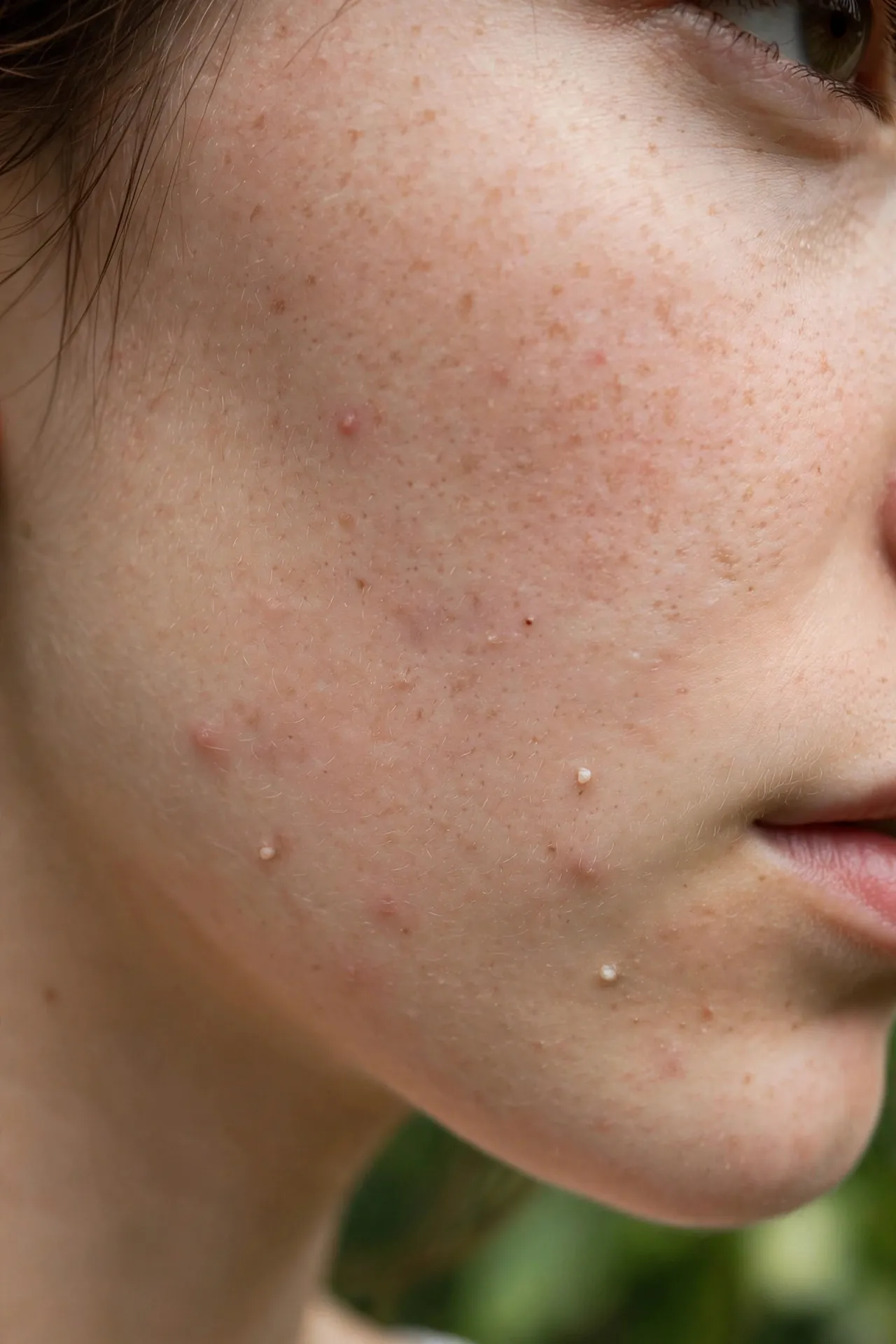
What Are the Causes of Acne? Common Triggers, Symptoms, and Treatment
Breakouts keep coming back? Learn the causes of acne, from clogged pores and hormones to stress and lack of sleep, plus symptoms, treatment options, and when to see a doctor.
What Are the Causes of Acne? Common Triggers, Symptoms, and Treatment
A few pimples can seem harmless, but when breakouts keep coming back, you may start wondering what is really happening under your skin. Acne is one of the most common skin conditions, and it can affect teenagers, adults, and even younger children.
Understanding the causes of acne can make it easier to choose the right skincare routine and know when professional care may help. Acne does not happen because someone has dirty skin. It can develop from clogged pores, excess oil, dead skin cells, hormones, genetics, and several everyday triggers.
The good news is that acne can often be managed with the right approach. In this guide, we will explain the causes of acne, common acne symptoms, treatment options, ways to care for acne-prone skin, and when it may be time to speak with a healthcare professional.
What Is Acne?
Acne is a skin condition that develops when hair follicles become clogged with oil and dead skin cells. The blockage can lead to different types of breakouts, including blackheads, whiteheads, pimples, papules, pustules, nodules, and cystic lesions.
Acne commonly appears on the face, forehead, chest, upper back, and shoulders. These areas contain many oil glands, which can produce sebum, the natural oil that helps protect your skin.
When excess oil and dead skin cells build up inside a pore, bacteria and inflammation can contribute to a breakout.
The causes of acne can be different from person to person. Some people mainly experience occasional pimples, while others develop persistent or severe acne.
What Are the Main Causes of Acne?
There is not always one single reason for a breakout. Several factors can work together.
1. Clogged Pores
Clogged pores are one of the main causes of acne. Your skin naturally sheds dead skin cells. If these cells mix with excess oil and become trapped inside a hair follicle, the pore can become blocked.
A blocked pore may form a whitehead or blackhead. If inflammation develops, it may turn into a red, tender bump or pimple.
2. Excess Oil Production
Your skin has sebaceous glands that produce oil. This oil helps keep your skin from becoming too dry.
However, producing too much oil can contribute to clogged pores. Excess oil combined with dead skin cells creates an environment where breakouts can develop.
Oily skin does not mean you should scrub your face aggressively. Harsh cleansing can irritate the skin and may make your routine harder to maintain.
3. Hormonal Changes
Hormones are another important factor among the causes of acne.
During puberty, androgen hormones can increase oil production. This is one reason teenage acne is so common.
Hormonal changes can also affect adults. Some women notice breakouts around their menstrual cycle, while others may develop adult hormonal acne after previously having clearer skin.
4. Genetics and Family History
Your family history can influence your chances of developing acne.
If a parent or close blood relative had severe acne, you may have a higher risk of experiencing persistent breakouts or acne that leaves marks.
Genetics can affect how much oil your skin produces and how strongly your skin responds to inflammation.
5. Stress
Stress is often discussed when looking at the causes of acne. Stress does not necessarily create acne by itself, but it may make existing breakouts worse.
When life becomes stressful, sleep patterns, hormones, eating habits, and skincare routines may also change. These factors can make it harder to manage acne.
6. Certain Skin and Hair Products
Some oily makeup, skincare products, and hair products can contribute to clogged pores.
If you are prone to acne, look for products labeled oil-free or non-comedogenic. These products are designed to be less likely to clog pores.
This is especially important if you frequently use makeup, moisturizers, sunscreen, or styling products near your face.
7. Lack of Sleep and Lifestyle Factors
Poor sleep does not directly explain every breakout, but it can affect your overall health and stress levels.
Lifestyle habits may also influence how your skin behaves. Some people notice that certain foods, stress, or changes in their daily routine are associated with more breakouts.
It can help to pay attention to patterns rather than blaming one food or habit for every pimple.
What Are Common Acne Symptoms?
Knowing the acne symptoms can help you understand what type of breakout you may be experiencing.
Common signs include:
- Blackheads
- Whiteheads
- Small red bumps called papules
- Pimples or pustules containing pus
- Tender or inflamed skin
- Nodules
- Cystic acne
- Painful lumps under the skin
- Redness and swelling
Acne can range from mild occasional breakouts to severe acne with deep, painful nodules.
The acne symptoms you experience can also change over time. One person may mainly have blackheads and whiteheads, while another may experience inflamed pimples or cystic lesions.
How Does Skincare for Pimple-Prone Skin Help?
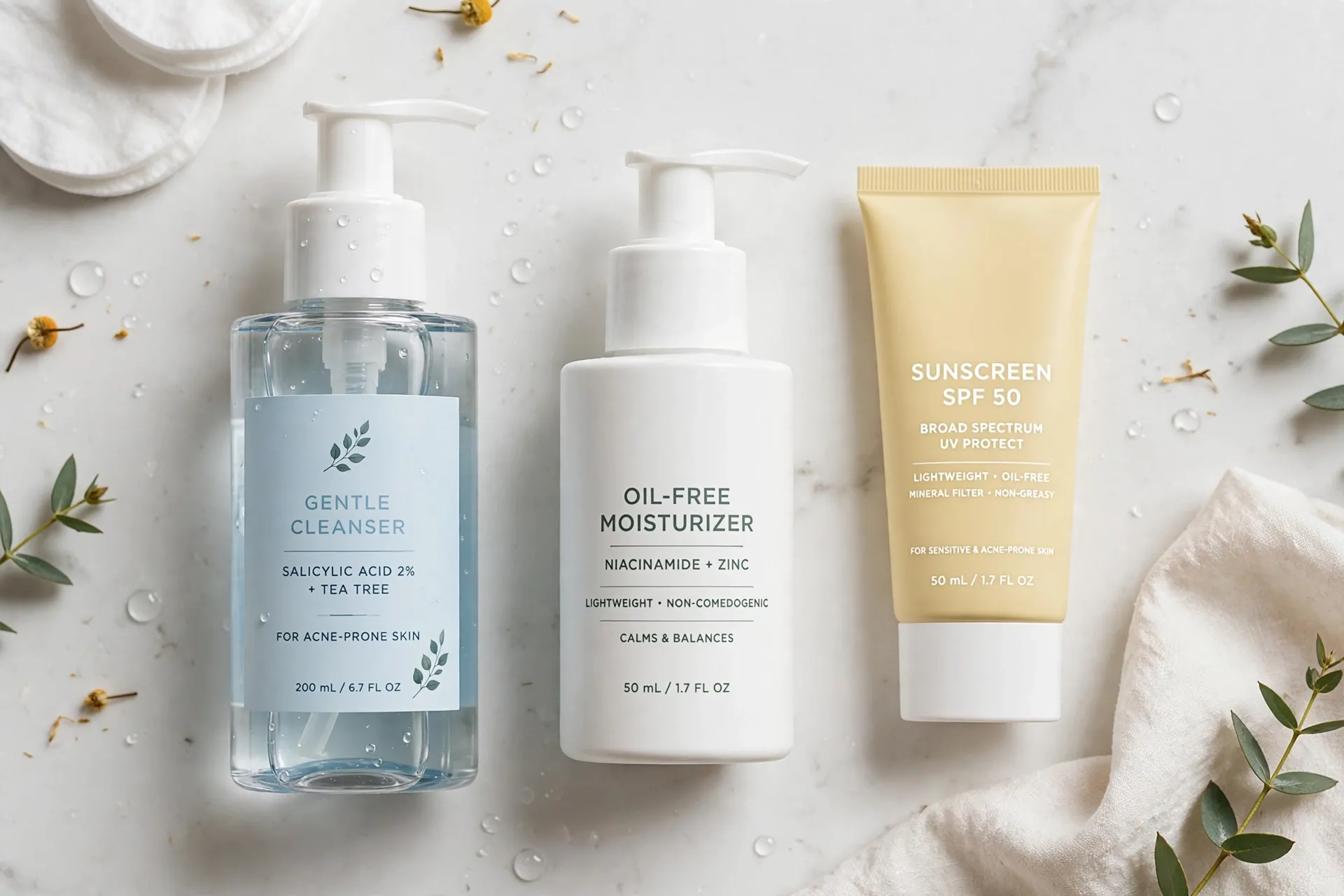
A simple routine can be more helpful than using many strong products at once. Good skincare for pimple concerns should focus on keeping the skin clean without causing unnecessary irritation.
Try these basic steps:
Cleanse Gently
Wash your face with a gentle cleanser rather than scrubbing aggressively. Scrubbing can irritate acne-prone skin.
Choose Non-Comedogenic Products
Look for oil-free and non-comedogenic moisturizers, sunscreen, and makeup. These products are less likely to block pores.
Avoid Picking Pimples
Picking, squeezing, or popping pimples can increase inflammation and may raise the risk of marks and acne scars.
Give Treatments Time
Acne treatment usually does not work overnight. It may take several weeks to notice meaningful improvement.
Changing products too often can make it difficult to know what is actually helping your skin.
What Treatments Can Help Acne?
Treatment depends on the type and severity of acne.
For mild breakouts, some people use over-the-counter products containing ingredients designed to unclog pores or reduce inflammation. Adapalene is one example of a topical acne medication that can help prevent clogged pores and new breakouts.
Other treatments may be recommended for different types of acne.
If you have deep, painful nodules or cystic acne, professional medical care may be appropriate. A healthcare professional can assess your skin and determine whether prescription treatment is needed.
The best approach depends on your skin, symptoms, medical history, and the type of acne you have.
Can Acne Cause Scars?
Yes. Acne can sometimes leave lasting marks or acne scars, particularly when breakouts are deep or repeatedly picked.
Inflammation can damage deeper layers of the skin. Picking or squeezing pimples can also increase the chance of scarring.
Treating acne early may help reduce the risk of severe breakouts and acne scars.
It is also important to understand that not every dark spot left after a pimple is a permanent scar. Some marks gradually fade as the skin heals.
How Can You Help Prevent New Breakouts?
You cannot always prevent acne completely, especially when hormones or genetics are involved. However, several habits may help reduce breakouts.
- Wash your face gently.
- Avoid harsh scrubbing.
- Use non-comedogenic skincare products.
- Remove makeup before sleeping.
- Avoid picking or squeezing pimples.
- Keep hair products away from your face.
- Use sunscreen suitable for acne-prone skin.
- Follow your acne treatment consistently.
- Pay attention to personal triggers.
- Give your treatment enough time to work.
Good skincare for pimple concerns is usually simple and consistent rather than complicated.
When Should You See a Doctor for Acne?
Mild acne can sometimes be managed with an appropriate skincare routine and nonprescription products. However, professional care may be useful when acne is persistent, painful, widespread, or affecting your confidence.
You should consider medical advice if:
- Your acne is becoming severe.
- You have deep or painful nodules.
- Breakouts are leaving acne scars.
- Over-the-counter products are not helping.
- Acne suddenly appears or becomes much worse.
- Acne is affecting your daily life or self-esteem.
- You are unsure what type of acne you have.
A healthcare professional can review your symptoms and help determine whether you need a different treatment approach.
How MyHomeDoc Can Help With Acne Concerns
If you are dealing with recurring breakouts and are not sure what to do next, MyHomeDoc Telehealth can provide a convenient way to discuss your skin concerns with a healthcare professional.
An online medical visit can be useful when you want to explain your symptoms, discuss your current skincare routine, and understand what treatment options may be appropriate for your situation.
You do not have to keep guessing about the causes of acne or continue trying random products. Getting professional guidance can help you understand your options and create a more practical plan for managing recurring breakouts.
For Texas patients looking for convenient online healthcare, visit MyHomeDoc.care to learn more about available telehealth services.
Frequently Asked Questions About Acne
1. What are the main causes of acne?
The causes of acne can include clogged pores, excess oil, dead skin cells, hormonal changes, genetics, stress, and certain skincare or hair products. Several factors may contribute to breakouts at the same time.
2. What skincare for pimple-prone skin should I use?
For skincare for pimple concerns, start with a gentle cleanser, non-comedogenic moisturizer, and suitable sunscreen. Avoid harsh scrubbing and picking your pimples. If your breakouts continue, professional guidance can help you choose appropriate treatment.
3. How can I prevent acne scars?
Avoid squeezing or picking pimples, treat persistent acne early, and follow an appropriate treatment plan. Deep or severe acne has a greater chance of causing acne scars, so medical treatment may be helpful when breakouts are difficult to control.
4. When should I seek medical treatment for acne?
Consider speaking with a healthcare professional if your acne is painful, severe, persistent, spreading, or leaving acne scars. You should also seek guidance if your current products are not improving your breakouts.
5. Can hormones be one of the causes of acne?
Yes. Hormonal changes can increase oil production and contribute to clogged pores and inflammation. Puberty is a common example, but hormonal acne can also occur in adults, including women who notice recurring breakouts around their menstrual cycle.
Final Thoughts
Acne is common, but you do not have to simply accept painful or recurring breakouts. Understanding the causes of acne, recognizing your symptoms, and following a consistent skincare routine can help you make better decisions about your skin.
Remember that acne treatment takes time. Avoid harsh scrubbing and picking, choose products that are suitable for acne-prone skin, and seek professional care when breakouts are severe or persistent.
If you need convenient medical guidance for ongoing acne concerns, MyHomeDoc Telehealth can help you explore your care options online. Visit MyHomeDoc.care to learn more and get started.
Have questions? Talk to a doctor today.
MyHomeDoc physicians are available 7 days a week across Texas.
Book an Appointment