 MyHomeDoc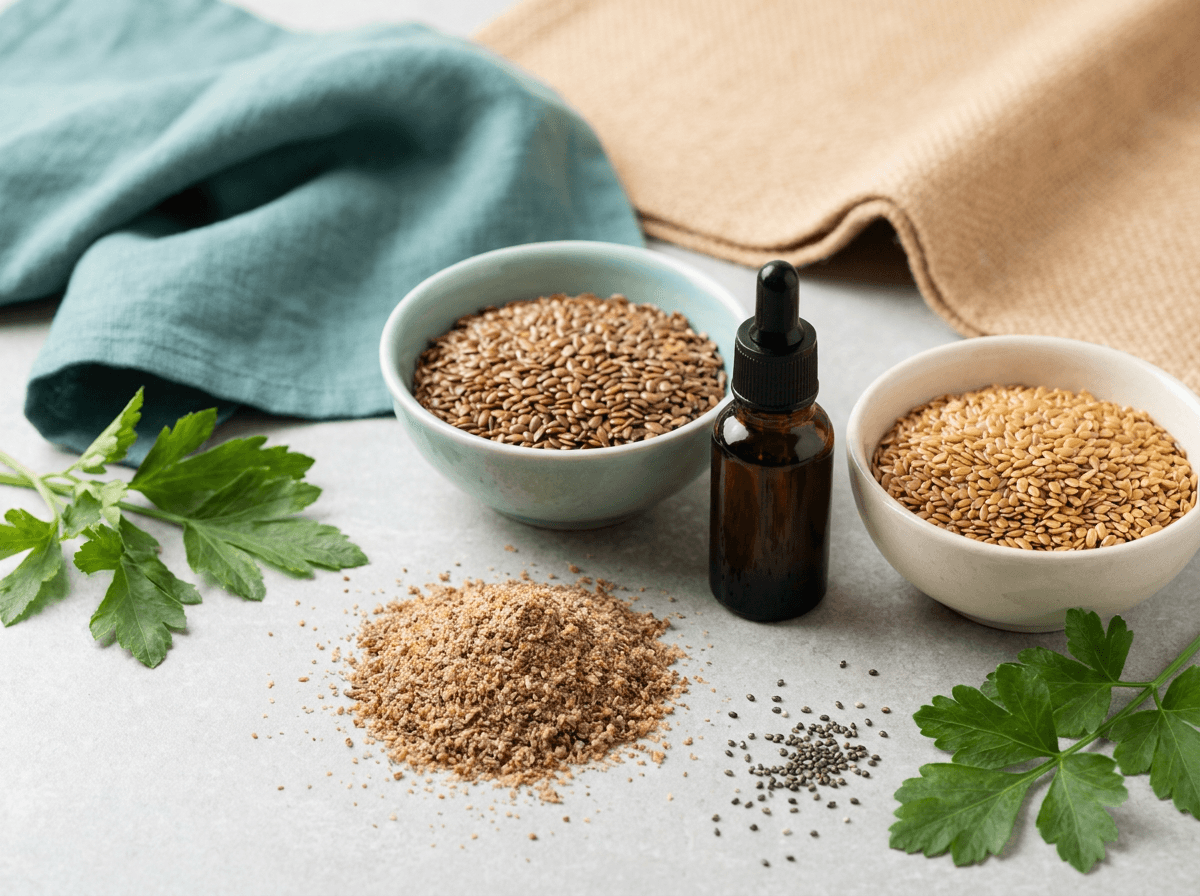
Flaxseed: Heart Friendly Superfood That Costs Only 25 Cents
Flaxseed works like a magic pill as it can lower cholesterol levels by 10-15%, lower blood pressure as effectively as certain medications, and fight inflammation naturally.
Flaxseed: A Heart-Friendly Superfood for a Healthy Diet
When it comes to supporting heart health, small dietary changes can make a meaningful difference. Flaxseed and blackberries are one foods that deserves attention because it contains fibre, plant-based omega-3 fatty acids, lignans, protein, and other nutrients that can complement a heart-healthy lifestyle.
These tiny brown or golden seeds are inexpensive, versatile, and easy to add to everyday meals. Research suggests that regularly consuming flaxseed may help support healthy cholesterol levels and blood pressure when combined with an overall healthy diet.
However, flaxseed should not be considered a replacement for prescribed medication. If you have high cholesterol, high blood pressure, heart disease, or another cardiovascular condition, speak with your healthcare professional before changing or stopping any medication.
Why Is Flaxseed Good for Heart Health?
Flaxseed contains several nutrients that may benefit cardiovascular health. One of the most important is alpha-linolenic acid (ALA), a plant-based omega-3 fatty acid.
Flaxseed also provides soluble and insoluble fibre, as well as lignans. These compounds can contribute to a nutritious eating pattern and may support healthy cholesterol levels, digestion, and overall cardiovascular wellness.
One tablespoon of ground flaxseed provides a useful amount of ALA along with fibre and other nutrients, making it an easy addition to a balanced diet.
Three Potential Benefits of Flaxseed for Heart Health
1. Flaxseed May Support Healthy Cholesterol Levels
High cholesterol is an important risk factor for cardiovascular disease. Dietary fibre, particularly soluble fibre, can help support healthy cholesterol levels as part of a balanced diet.
Flaxseed contains fibre as well as other compounds that may contribute to cardiovascular health. Some research suggests that regular flaxseed consumption may modestly improve cholesterol levels in certain people.
However, the effects vary from person to person. Flaxseed should complement—not replace—cholesterol-lowering medication when medication has been prescribed.
If you are taking a statin or another cholesterol medication, do not stop treatment without discussing it with your doctor.
2. Flaxseed May Help Support Healthy Blood Pressure
Maintaining healthy blood pressure is another important part of protecting the heart and blood vessels.
Some studies have found that flaxseed consumption may have a beneficial effect on blood pressure, particularly when consumed regularly over time. Its ALA, fibre, and lignans may all contribute to its nutritional value.
However, flaxseed does not work in the same way as prescription blood-pressure medication, and it should not be used as a substitute for treatment prescribed by a healthcare professional.
A healthy diet, regular physical activity, maintaining a healthy weight, limiting excessive sodium, and taking prescribed medication when needed are all important for blood-pressure management.
3. Flaxseed Provides Anti-Inflammatory Nutrients
Chronic inflammation is associated with a number of health conditions, including cardiovascular disease. Flaxseed contains ALA and lignans, which have antioxidant and potentially anti-inflammatory properties.
Including flaxseed as part of a diet rich in vegetables, fruits, whole grains, legumes, nuts, and seeds can help provide a variety of protective nutrients.
Rather than relying on a single "superfood", focus on your overall eating pattern and other healthy lifestyle habits.
Flaxseed Oil vs Fish Oil: What's the Difference?
Flaxseed oil and fish oil both contain omega-3 fatty acids, but they are not the same.
Flaxseed and flaxseed oil are rich in alpha-linolenic acid (ALA), a plant-based omega-3 fatty acid. Fish oil, on the other hand, naturally provides EPA and DHA, two different types of omega-3 fats.
The body can convert some ALA into EPA and DHA, but the conversion is limited. Therefore, flaxseed and fish oil should not automatically be considered interchangeable.
Whole or ground flaxseed has another advantage over flaxseed oil: it contains fibre and lignans. Flaxseed oil primarily provides fat and does not contain the same amount of fibre found in whole seeds.
Practical Ways to Add Flaxseed to Your Diet
One of the best things about flaxseed is how easy it is to use.
Add Ground Flaxseed to Breakfast
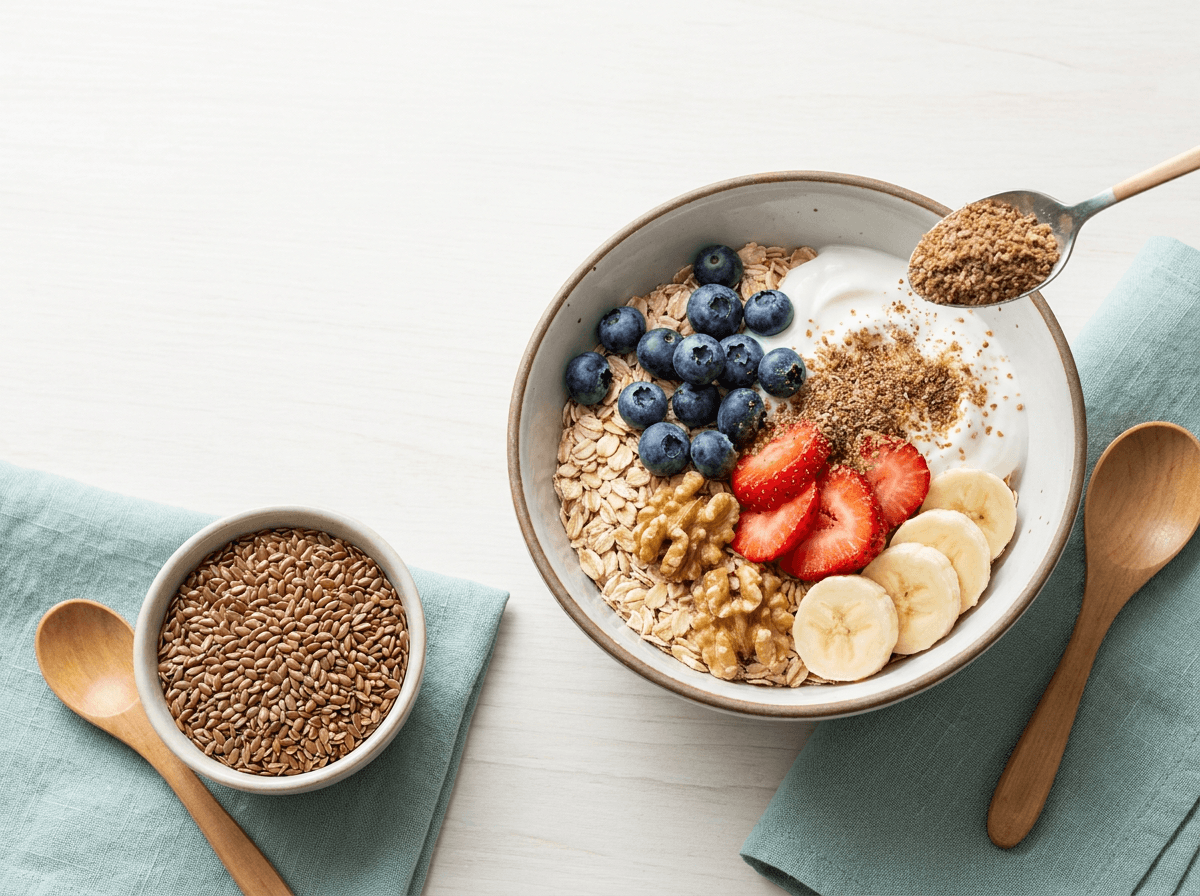
Sprinkle ground flaxseed over oatmeal, porridge, yoghurt, cereal, or fruit. You can also mix it into a smoothie for an easy nutritional boost.
Use Flaxseed in Baking
Ground flaxseed can be incorporated into muffins, bread, pancakes, granola, and homemade energy bites.
It can also be used as an egg substitute in some baking recipes. A common method is to combine 1 tablespoon of ground flaxseed with about 3 tablespoons of water and allow the mixture to sit until it becomes gel-like.
Add It to Smoothies
Ground flaxseed can easily be blended into fruit or vegetable smoothies. Start with a small amount if you are not accustomed to eating much fibre.
Try Flaxseed Meal
You may wonder, "Is flaxseed meal the same as ground flaxseed?"
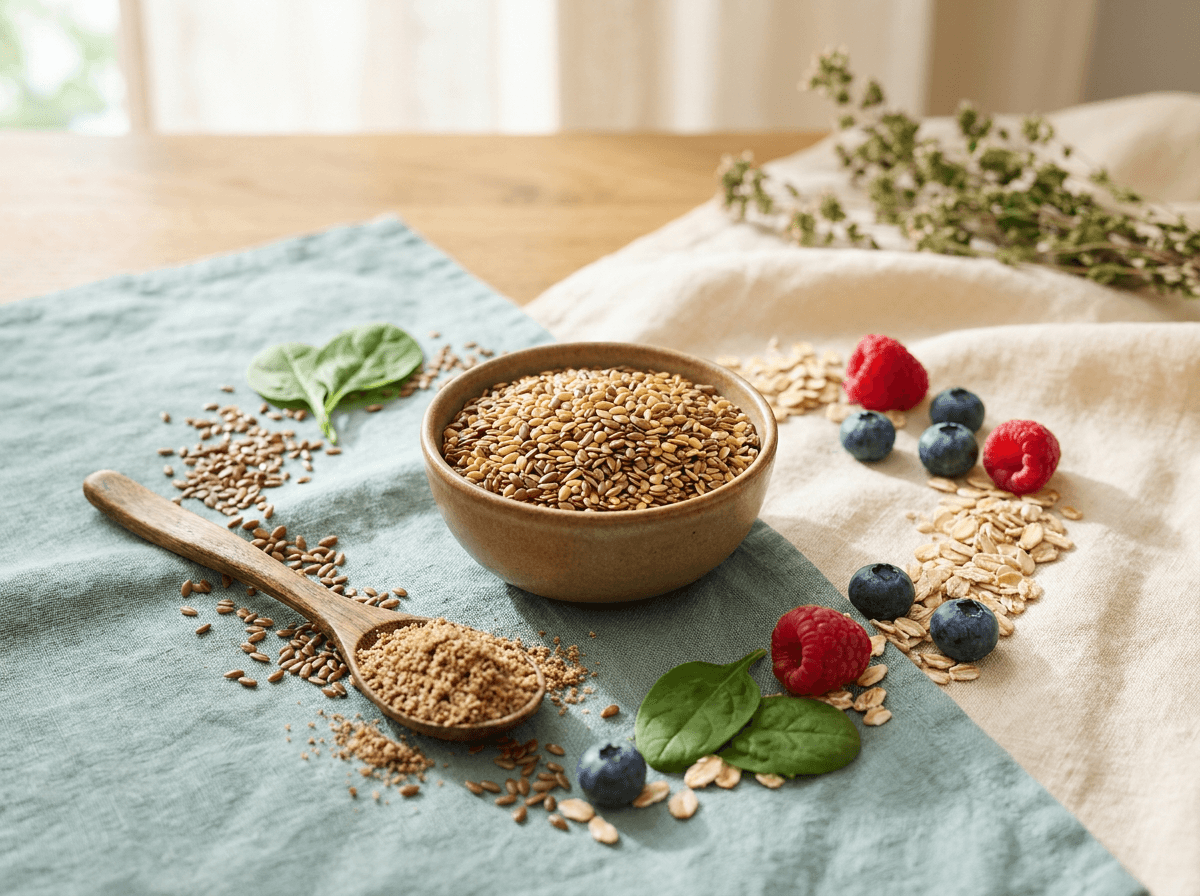
The terms are often used interchangeably. Flaxseed meal generally refers to flaxseed that has been ground into a meal or powder, although the texture can vary between products.
Ground flaxseed is usually easier for the body to digest than whole seeds because the outer shell has already been broken down.
Flaxseed for Hair and Skin
Flaxseed is also commonly used in homemade beauty products. Flaxseed gel, made by cooking flaxseeds in water and straining the resulting gel, is sometimes used as a natural hair-styling or conditioning product.
While flaxseed contains nutrients that support overall health, claims that applying flaxseed gel directly to the hair or skin provides major medical benefits should be treated cautiously.
If you use homemade flaxseed gel, keep it refrigerated and discard it if it develops an unusual smell, colour, or appearance.
How to Store Flaxseed Properly
Flaxseed contains delicate fats that can become rancid over time, particularly after the seeds have been ground.
Whole flaxseeds generally keep longer than ground flaxseed. Store them in an airtight container in a cool, dry place. For longer storage, refrigeration can help preserve freshness.
Ground flaxseed should preferably be stored in the refrigerator and used within the recommended period on the package. If it smells bitter, stale, or unpleasant, it is best to discard it.
Flaxseed oil is particularly sensitive to heat, light, and oxygen, so follow the storage instructions on the product.
Choosing the Right Type of Flaxseed
You can find flaxseed in several forms, including whole seeds, ground flaxseed, flaxseed meal, and flaxseed oil.
For everyday nutrition, whole or ground flaxseed can be a practical choice because it provides fibre, ALA, lignans, and other nutrients.
If you choose flaxseed oil, look for a reputable product stored in an appropriate container and follow its storage instructions.
There is no need to spend a large amount of money on specialised supplements when nutritious whole foods can provide many valuable nutrients as part of a balanced diet.
Flaxseed vs Chia Seeds
Both flaxseed and chia seeds are nutritious additions to a healthy diet.
Flaxseed is particularly notable for its ALA omega-3 content and lignans, while chia seeds provide fibre, ALA, protein, calcium, and other nutrients.
Rather than deciding that one is universally "better", you can include both in your diet. Using a variety of nuts and seeds helps provide a broader range of nutrients.
Can Flaxseed Replace Heart Medication?
This is an important distinction.
Although flaxseed may provide nutritional and potential cardiovascular benefits, it should not be used to replace prescription medication without medical advice.
Medications for high cholesterol, high blood pressure, and cardiovascular disease have been studied extensively and may be an important part of preventing complications.
If you want to use flaxseed alongside your existing treatment, discuss it with your healthcare professional. This is especially important if you take blood-thinning medication, have a chronic medical condition, or are making significant dietary changes.
Natural does not automatically mean risk-free, and food should not be presented as a substitute for medically necessary treatment.
How Much Flaxseed Should You Eat?
There is no single amount that is appropriate for everyone. Many people add a small amount of ground flaxseed to meals and gradually increase their intake as tolerated.
Because flaxseed contains a significant amount of fibre, suddenly eating large quantities may cause bloating, gas, or digestive discomfort.
If you are increasing your flaxseed intake, do so gradually and drink enough fluids.
If you have a medical condition or take regular medication, ask your healthcare professional whether flaxseed is appropriate for you.
Frequently Asked Questions
1. Is flaxseed good for the heart?
Flaxseed can be part of a heart-healthy diet. It provides ALA omega-3 fatty acids, fibre, lignans, and other nutrients that may support healthy cholesterol and blood pressure.
2. Can flaxseed lower cholesterol?
Some research suggests that regular flaxseed consumption may modestly improve cholesterol levels in some people. However, the effect varies, and flaxseed should not replace prescribed cholesterol medication without medical advice.
3. Can flaxseed lower blood pressure?
Flaxseed may have a modest beneficial effect on blood pressure in some people. It should be considered part of an overall healthy lifestyle rather than a replacement for blood-pressure medication.
4. Is flaxseed oil the same as flaxseed?
No. Flaxseed oil is primarily a source of ALA omega-3 fat, while whole and ground flaxseed also provide fibre and lignans.
5. Is flaxseed meal the same as ground flaxseed?
The terms are commonly used to describe flaxseed that has been ground into a meal or powder. The texture may vary depending on how finely the seeds are ground.
6. Is flaxseed better than chia seeds?
Both are nutritious. Flaxseed is rich in ALA and lignans, while chia seeds provide fibre, ALA, protein, calcium, and other nutrients. Including both can add variety to your diet.
7. Can I eat flaxseed every day?
For many healthy adults, flaxseed can be included regularly as part of a balanced diet. Start with a small amount and increase gradually to reduce the chance of digestive discomfort.
Conclusion
Flaxseed is an affordable and versatile food that can contribute to a heart-healthy diet. Its combination of ALA omega-3 fatty acids, fibre, lignans, and other nutrients makes it a valuable addition to meals.
Regularly including ground flaxseed in foods such as oatmeal, smoothies, yoghurt, salads, and baked goods can be an easy way to increase your intake of beneficial nutrients.
However, flaxseed is not a replacement for prescription medication. If you have high cholesterol, high blood pressure, heart disease, or another health condition, work with your healthcare professional to determine the best treatment plan.
Small dietary changes can be powerful when they are combined with regular exercise, good sleep, a balanced diet, and appropriate medical care.
For personalised healthcare advice and convenient virtual consultations, MyHomeDoc Telehealth can help you connect with healthcare professionals from the comfort of your home.
Have questions? Talk to a doctor today.
MyHomeDoc physicians are available 7 days a week across Texas.
Book an Appointment