 MyHomeDoc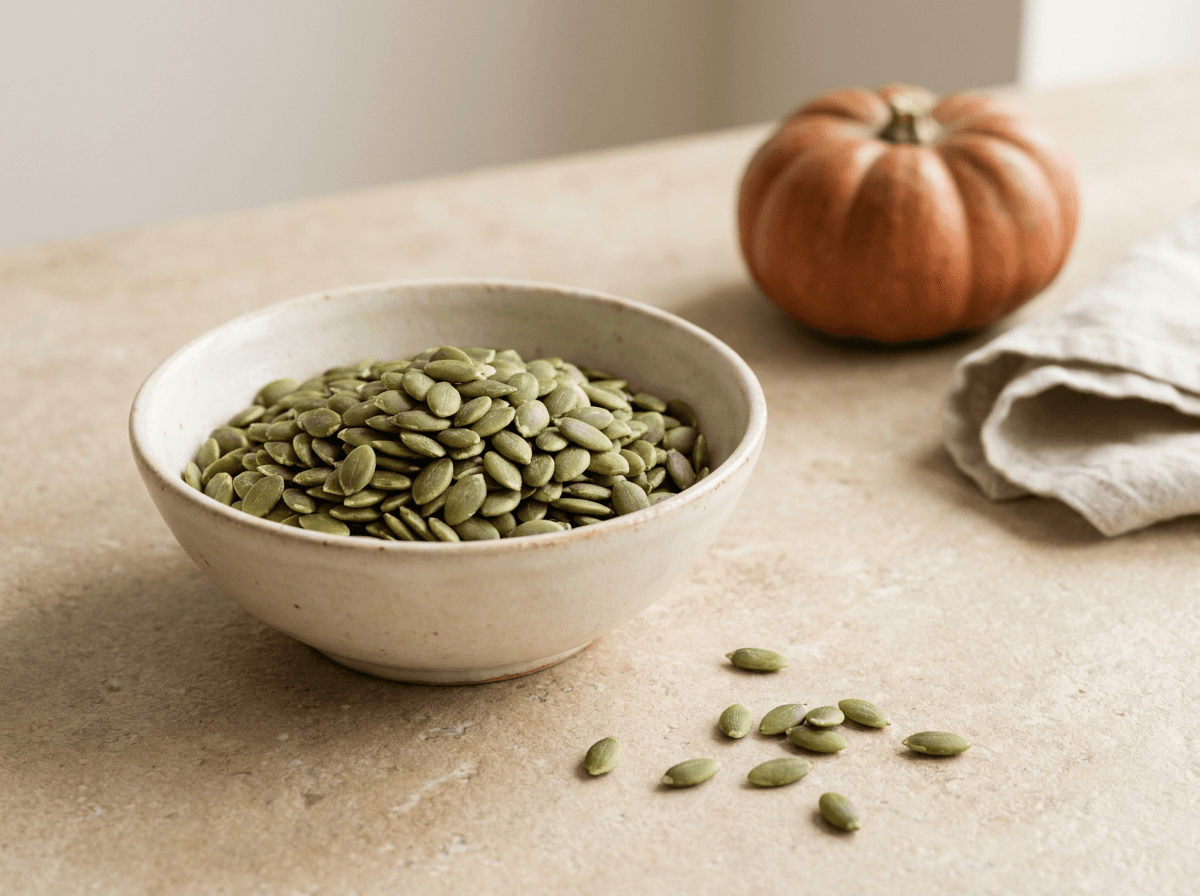
Pumpkin Seeds Magnesium Benefits: Muscles, Sleep & Heart Health
Pumpkin seeds are rich in magnesium, supporting healthy muscles, better sleep, and heart health. Regular intake may help reduce cramps, improve relaxation, support steady heartbeat.
Whether you enjoy pumpkin seeds raw, roasted, sprinkled over meals, or blended into pumpkin seed butter, there are many simple ways to include them in your daily diet.
In this article, we explore the pumpkin seeds magnesium benefits and how these nutrient-rich seeds may support your muscles, sleep, digestion, and cardiovascular health.
Magnesium: Why It Matters to Your Health
Magnesium is an essential mineral that your body needs for hundreds of different processes. It helps support normal muscle and nerve function, contributes to energy production, and plays a role in maintaining a steady heartbeat and healthy bones.
Not getting enough magnesium can contribute to problems such as muscle cramps, tiredness, and difficulty maintaining normal muscle and nerve function. Including magnesium-rich foods such as pumpkin seeds can help you get more of this important mineral as part of a balanced diet.
Pumpkin seeds are particularly useful because they provide magnesium along with protein, healthy fats, fibre, antioxidants, and other nutrients.
Pumpkin Seeds and Muscle Health
One of the most important pumpkin seeds magnesium benefits relates to muscle function. Magnesium helps muscles contract and relax normally. When your body does not get enough magnesium, you may be more likely to experience muscle tension, weakness, or cramps.
Adding pumpkin seeds to your diet provides a convenient way to increase your magnesium intake. You can eat them as a snack, add them to salads, mix them into yoghurt, or sprinkle them over meals.
However, pumpkin seeds should be viewed as part of an overall balanced diet rather than a treatment for persistent or severe muscle cramps. If you frequently experience cramps or unexplained muscle problems, it is worth discussing them with a healthcare professional.
Pumpkin Seed Protein for Muscle Recovery
Pumpkin seeds and flaxseeds are not only a source of magnesium; they also provide plant-based protein. Protein is essential for maintaining and repairing muscles, making protein-rich foods especially useful for people who exercise regularly.
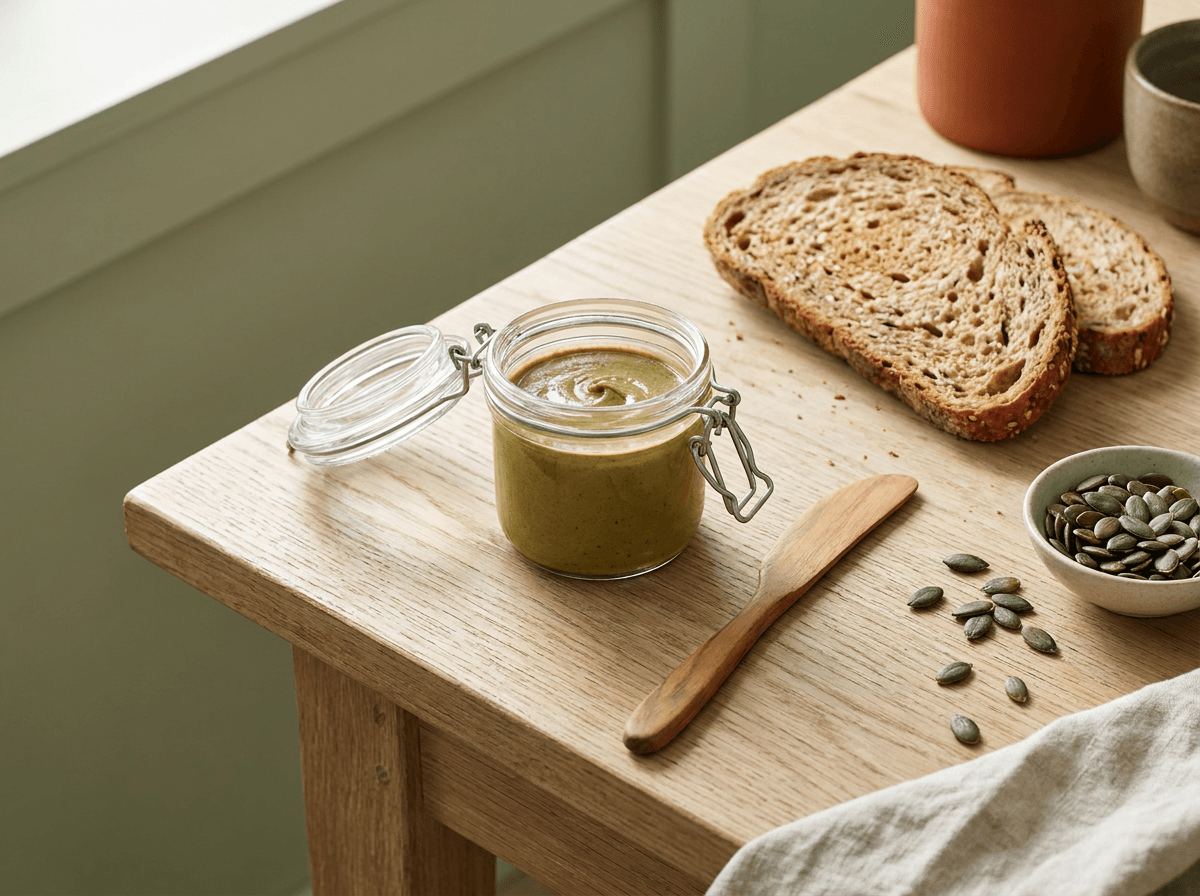
You can enjoy a handful of pumpkin seeds after a workout or add them to a balanced meal containing other protein sources. Pumpkin seed butter is another convenient option that can be spread on toast, added to porridge, or mixed into smoothies.
While pumpkin seeds provide valuable amino acids, it is best to eat a variety of protein sources throughout the day to support overall nutritional needs.
How Pumpkin Seeds May Support Better Sleep
Getting enough quality sleep is essential for physical and mental wellbeing. Magnesium plays a role in normal nervous system function and may contribute to relaxation and healthy sleep patterns.
Because pumpkin seeds contain magnesium, including them in a balanced diet may help support adequate magnesium intake. However, eating pumpkin seeds should not be considered a guaranteed treatment for insomnia or other sleep disorders.
If you regularly struggle to sleep, maintaining a consistent sleep schedule, limiting caffeine late in the day, reducing screen exposure before bed, and creating a comfortable sleeping environment can also help.
For ongoing or severe sleep problems, speak with a healthcare professional to identify the underlying cause.
Pumpkin Seeds and Digestion
Pumpkin seeds can also contribute to a healthy diet because they contain fibre, particularly when eaten with their shells. Fibre supports normal digestion and helps maintain regular bowel movements.
Some people also choose sprouted pumpkin seeds. Sprouting can change the nutritional characteristics of seeds and may make them easier for some people to digest. However, the nutritional benefits can vary depending on how the seeds are prepared.
If you have a sensitive digestive system, start with a small amount and see how your body responds.
Pepitas vs Pumpkin Seeds: What Is the Difference?
You may have heard the word pepitas when talking about pumpkin seeds. So, are pepitas and pumpkin seeds the same thing?
Essentially, yes. "Pepitas" is commonly used to describe the edible green seed found inside certain pumpkin varieties, particularly when the seed has been removed from its outer shell.
Pumpkin seeds may be sold with or without their shells, while pepitas are generally the green, shelled seeds.
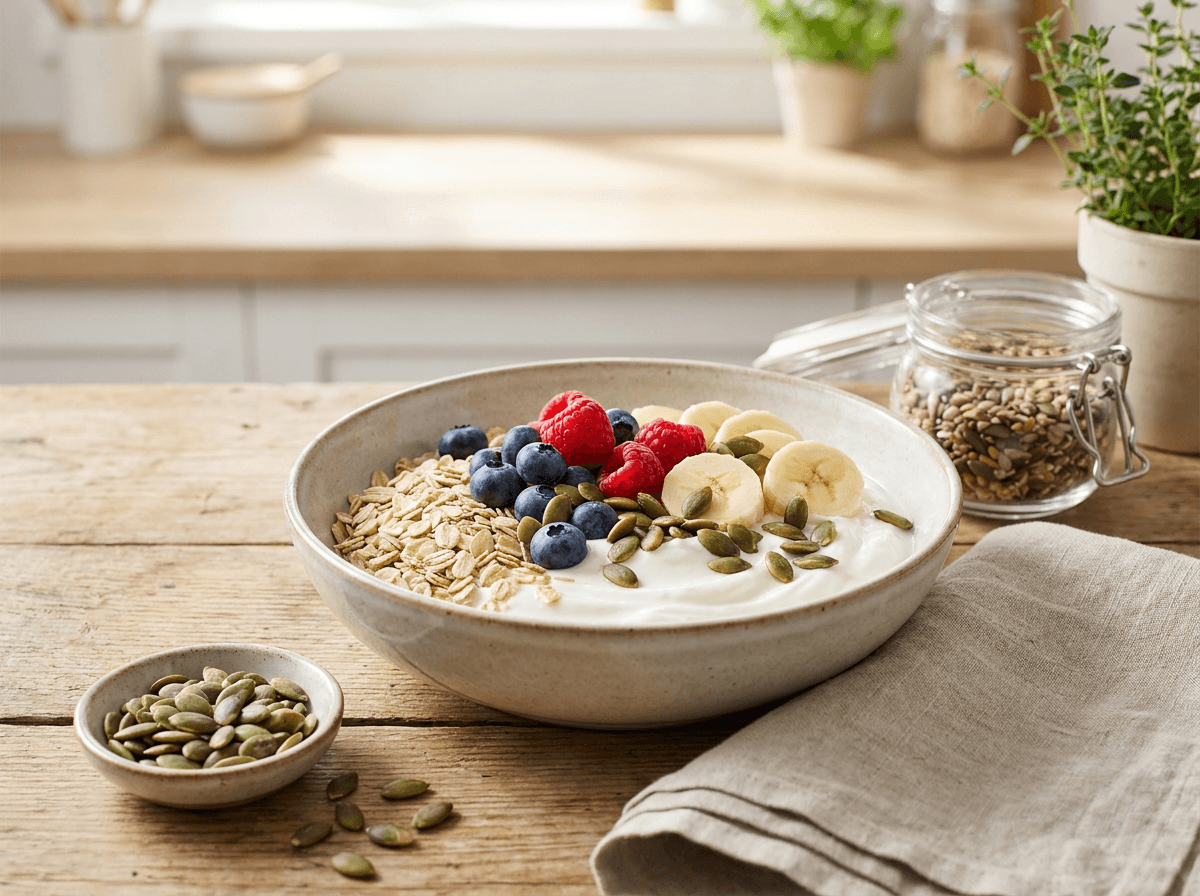
You can enjoy pepitas or pumpkin seeds in many ways. They can be added to salads, smoothies, porridge, yoghurt, homemade granola, or baked goods.
Pumpkin Seeds and Heart Health
Heart health is another area where pumpkin seeds can fit into a balanced eating pattern. Magnesium contributes to normal cardiovascular function and helps maintain a normal heartbeat.
Pumpkin seeds also contain unsaturated fats, antioxidants, protein, and other nutrients that can contribute to an overall heart-friendly diet.
Rather than relying on one food to protect your heart, focus on your overall dietary pattern. Eating plenty of vegetables, fruits, whole grains, legumes, nuts and seeds while limiting excessive salt, added sugars, and highly processed foods can support cardiovascular health.
If you have high blood pressure, high cholesterol, or another cardiovascular concern, talk with your healthcare professional about an appropriate diet and treatment plan.
How to Add Pumpkin Seeds to Your Diet
Now that you know more about the potential pumpkin seeds magnesium benefits, adding them to your meals is simple.
Eat Them Raw or Roasted
A small handful of pumpkin seeds can make a convenient snack. Choose unsalted varieties when possible to avoid adding unnecessary sodium to your diet.
Sprinkle Them on Salads
Add pumpkin seeds to salads for a satisfying crunch and an extra boost of protein, healthy fats, and minerals.
Add Them to Smoothies
You can blend pumpkin seeds or pumpkin seed butter into smoothies with fruits, vegetables, yoghurt, or milk for a nutritious drink.
Use Pumpkin Seed Butter
Pumpkin seed butter can be spread on whole-grain toast, mixed into porridge, or served with fruit and vegetables.
Add Them to Baked Foods
Pumpkin seeds can be included in homemade granola, muffins, bread, energy bites, and other baked foods.
Frequently Asked Questions
1. What are the benefits of pumpkin seeds for muscles?
Pumpkin seeds contain magnesium, a mineral that contributes to normal muscle and nerve function. They also provide protein and other nutrients that support a balanced diet.
2. Do pumpkin seeds promote better sleep?
Pumpkin seeds provide magnesium, which plays a role in normal nervous system function and relaxation. Including magnesium-rich foods in a balanced diet may support healthy sleep, although pumpkin seeds are not a treatment for sleep disorders.
3. What is the difference between pepitas and pumpkin seeds?
Pepitas generally refers to the green, shelled edible seeds from certain pumpkins. Pumpkin seeds may refer to seeds with or without their outer shells.
4. How can I add sprouted pumpkin seeds to my meals?
Sprouted pumpkin seeds can be added to salads, smoothies, yoghurt, porridge, or eaten as a snack. Choose properly prepared products and store them according to the manufacturer's instructions.
5. How can pumpkin seed protein support muscle recovery?
Pumpkin seeds provide plant-based protein and amino acids that contribute to maintaining and repairing body tissues. They can be included in a post-workout meal or snack alongside other nutritious protein sources.
6. Are pumpkin seeds good for the heart?
Pumpkin seeds can be part of a heart-healthy diet because they provide magnesium, unsaturated fats, fibre, antioxidants, and other nutrients. However, overall dietary habits are more important than relying on one food.
7. Is pumpkin seed butter a healthy snack?
Pumpkin seed butter can be a nutritious choice because it provides protein, healthy fats, and minerals. Check the ingredient label and choose varieties without excessive added salt or sugar.
Conclusion
The pumpkin seeds magnesium benefits make these small seeds a nutritious addition to a balanced diet. Their magnesium content supports normal muscle and nerve function, while their protein, healthy fats, fibre, antioxidants, and other nutrients add to their overall nutritional value.
From sprinkling them over salads to blending pumpkin seed butter into smoothies, there are plenty of easy ways to enjoy them. They can also complement a healthy lifestyle focused on nutritious foods, regular physical activity, good sleep, and appropriate healthcare.
Remember that no single food can replace a balanced diet or medical treatment. If you have persistent muscle cramps, ongoing sleep problems, or concerns about your heart health, speak with a healthcare professional.
For personalised health guidance and convenient virtual healthcare, MyHomeDoc Telehealth can help you connect with healthcare professionals from the comfort of your home.
Have questions? Talk to a doctor today.
MyHomeDoc physicians are available 7 days a week across Texas.
Book an Appointment