 MyHomeDoc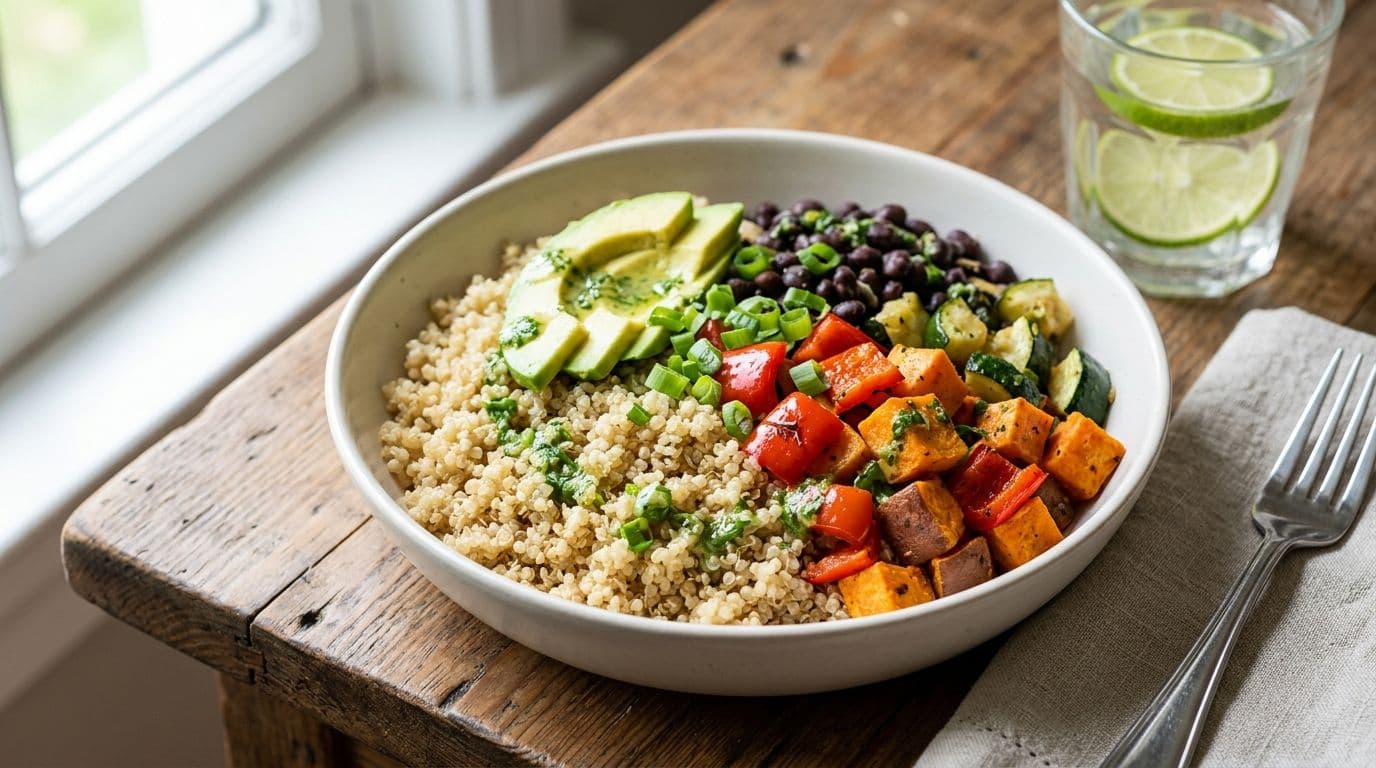
Quinoa Nutrition for Diabetes: Glycemic Index and Blood Sugar
Learn about the quinoa glycemic index, glycemic load, blood sugar effects, nutrition, serving size, and how quinoa compares with rice for diabetes.
If you are trying to manage blood sugar, choosing the right carbohydrates can make a big difference. Many people wonder whether quinoa is a better choice than rice, whether it can cause a blood sugar spike, and how much quinoa is appropriate in a meal.
The quinoa glycemic index is generally considered to be in the low to moderate range, but the exact number can vary depending on the variety, preparation method, serving size, and what you eat with it.
Quinoa is also naturally gluten free and provides protein, dietary fiber, minerals, antioxidants, and essential amino acids. This makes it an interesting option for people who want a more nutritious alternative to some refined grains.
What Is the Quinoa Glycemic Index?
The quinoa glycemic index describes how quickly the carbohydrates in quinoa may raise blood glucose compared with a standard reference food.
The glycemic index, often called GI, ranks carbohydrate-containing foods according to their effect on blood sugar. Foods with a lower GI tend to produce a slower rise in blood glucose, while foods with a higher GI can cause a faster increase.
The quinoa GI rating is often described as being around the low to moderate range. However, it should not be treated as one fixed number for every type of quinoa.
Different varieties and cooking methods can produce different results.
The quinoa GI level can also be affected by how long quinoa is cooked, whether it is eaten hot or chilled, and what other foods are included in the same meal.
This is why looking at the whole meal can be more useful than focusing on one number.
Is Quinoa Low Glycemic?
The quinoa glycemic index is generally lower than that of many highly processed carbohydrate foods. Quinoa also contains protein and fiber, which can slow digestion and help make a meal more filling.
A low glycemic food does not mean that it contains no carbohydrates. Quinoa still contains carbohydrates, so portion size matters.
The quinoa GI rating may make quinoa a useful option for people who are trying to choose carbohydrates more carefully. Still, individual blood sugar responses can vary.
For someone with diabetes, the goal is not necessarily to remove every carbohydrate from the diet. Instead, it can be helpful to choose nutrient-rich carbohydrate sources, watch portions, and pair carbohydrates with protein, vegetables, and healthy fats.
What Is the Glycemic Load of Quinoa?
The glycemic index tells you how quickly a carbohydrate may affect blood sugar, but glycemic load also considers the amount of carbohydrate in a serving.
The quinoa glycemic index alone does not tell you how much a typical portion may affect blood glucose.
For example, eating a very large serving of a lower GI food can still provide a substantial amount of carbohydrate.
The quinoa GI level therefore needs to be considered alongside serving size and total carbohydrate intake.
A practical approach is to start with a moderate portion of cooked quinoa and build the meal around vegetables and a source of protein.
Quinoa Nutrition and Blood Sugar
One reason quinoa receives so much attention is its nutritional profile.
Compared with many refined grains, quinoa provides a useful combination of protein and fiber. It also contains minerals and antioxidants that contribute to an overall nutritious diet.
The quinoa glycemic index is only one part of the nutrition picture.
Quinoa Fiber and Protein
Fiber can slow the digestion and absorption of carbohydrates. Protein can also increase fullness and help create a more balanced meal.
Quinoa contains dietary fiber along with protein, making it different from many refined carbohydrate foods.
It is also considered a complete protein because it contains all the essential amino acids that the body needs from food.
This does not mean quinoa is a treatment for diabetes. Rather, it can be one nutritious food included in a balanced eating pattern.
Does Quinoa Raise Blood Sugar?
Yes, quinoa can raise blood sugar because it contains carbohydrates. The important question is how much and how quickly blood glucose rises after eating it.
The quinoa GI rating suggests that quinoa may produce a slower blood sugar response than many higher GI carbohydrate foods.
However, your individual response can depend on several factors, including:
- portion size
- cooking method
- activity level
- other foods in the meal
- medications
- insulin sensitivity
- overall carbohydrate intake
- individual metabolism
The quinoa glycemic index should therefore be used as a general guide rather than a prediction of exactly what will happen to your blood sugar.
If you monitor glucose, you may learn that your response to quinoa differs from someone else's.
Quinoa vs Rice Glycemic Index
A common question is about the quinoa vs rice glycemic index. The answer is not as simple as saying one food is always better.
Rice comes in many varieties, including white rice, brown rice, basmati rice, and other types. Their carbohydrate content and glycemic response can differ.
Quinoa also comes in different varieties and can be prepared in different ways.
When comparing the quinoa vs rice glycemic index, it is important to consider the specific type of rice, cooking method, serving size, and the rest of the meal.
For example, a meal containing quinoa, vegetables, beans, and a source of protein may produce a different glucose response than a large bowl of plain rice.
The quinoa glycemic index can make quinoa an appealing option, but overall meal quality remains important.
White, Red, and Black Quinoa
You may see several types of quinoa in grocery stores.
White quinoa is usually mild and fluffy when cooked. Red quinoa tends to have a firmer texture, while black quinoa has a darker color and slightly different flavor.
The quinoa GI level can vary between varieties and preparation methods, so it is not accurate to assume that every type has exactly the same GI.
Instead of worrying about small differences between varieties, focus on portion size, preparation, and the nutritional quality of the complete meal.
How Much Quinoa Should You Eat?
There is no single serving size that works for everyone.
Your ideal portion can depend on your calorie needs, carbohydrate goals, activity level, medications, and overall health.
If you are counting carbohydrates, check the nutrition information for the cooked portion you plan to eat.
The quinoa glycemic index can help you understand the quality of the carbohydrate, but total carbohydrate intake still matters.
A simple meal could include:
- a moderate serving of cooked quinoa
- non-starchy vegetables
- chicken, fish, eggs, tofu, or beans
- a small amount of healthy fat
- water or another unsweetened drink
This type of meal can be more balanced than eating a large serving of quinoa by itself.

How to Prepare Quinoa for a Balanced Meal
Preparation can make a difference in how enjoyable and filling quinoa is.
Before cooking, rinse quinoa under cool water using a fine strainer. This can help remove naturally occurring surface compounds that may contribute to a bitter taste.
You can then cook it with water or broth until the seeds become fluffy.
For a simple blood sugar-friendly meal, combine cooked quinoa with vegetables and a protein source.
You can also add quinoa to salads, soups, bowls, or vegetable dishes.
The quinoa GI rating is not the only thing to consider when preparing a meal. Ingredients added to quinoa can also affect the overall carbohydrate and calorie content.
Is Quinoa Better Than Rice for Diabetes?
The answer depends on the type of rice, serving size, preparation, and your personal blood sugar response.
The quinoa vs rice glycemic index comparison can be useful, but GI should not be the only factor used to decide what you eat.
Quinoa offers protein and fiber along with carbohydrates, which can make it a nutrient-dense option.
Some people may find quinoa works well as an alternative to rice, while others may prefer different whole grains or carbohydrate sources.
If you have diabetes, prediabetes, or another condition affecting blood glucose, consider discussing your meal plan with a healthcare professional.
Does Cabbage Make You Poop?
This may seem unrelated to quinoa, but questions about digestion often come up when people increase fiber in their diet.
Cabbage contains dietary fiber and can support regular bowel movements as part of a balanced diet. Some people may notice more gas or changes in bowel habits after increasing fiber quickly.
The same idea applies when adding quinoa or other high-fiber foods. Increase fiber gradually and drink enough fluids.
If you experience persistent constipation, diarrhea, severe abdominal pain, blood in your stool, or another concerning digestive symptom, speak with a healthcare professional.
Is Quinoa Gluten Free?
Yes, quinoa is naturally gluten free.
This makes it a useful grain alternative for people who need to avoid gluten. However, people with celiac disease or significant gluten sensitivity should still check food labels and consider the possibility of cross-contact during processing.
Quinoa can be used in place of other grains in many meals, including salads, bowls, side dishes, and breakfast recipes.
Practical Tips for Eating Quinoa
If you want to add quinoa to your diet, keep these simple tips in mind:
Start with a moderate serving.
A larger portion means more carbohydrates, even when the food has a relatively favorable GI.
Add protein.
Chicken, fish, eggs, tofu, beans, or other protein foods can make the meal more filling.
Add vegetables.
Non-starchy vegetables provide fiber, vitamins, minerals, and volume without adding a large amount of carbohydrate.
Watch added ingredients.
Sweet sauces, sugary dressings, and large amounts of high-calorie toppings can change the nutritional profile of your meal.
Pay attention to your own response.
If you monitor blood glucose, your readings can help you understand how your body responds to different meals.
Frequently Asked Questions
Is quinoa good for people with diabetes?
Quinoa can fit into a diabetes-friendly eating pattern because it provides protein and fiber along with carbohydrates. Portion size and total carbohydrate intake still matter.
Does quinoa spike blood sugar?
Quinoa can raise blood glucose because it contains carbohydrates, but its relatively favorable GI profile may result in a slower rise than some higher GI foods. Individual responses vary.
What is the quinoa glycemic index?
The quinoa glycemic index is generally considered to fall in the low to moderate range, although the exact value can vary based on the quinoa variety, cooking method, and testing conditions.
Is quinoa better than white rice for blood sugar?
The quinoa vs rice glycemic index comparison can favor quinoa in some situations, but the result depends on the specific rice variety, serving size, cooking method, and complete meal.
Can I eat quinoa every day?
Many people can include quinoa regularly as part of a balanced diet. However, variety is important, and your overall diet should include different vegetables, proteins, healthy fats, and nutrient-rich carbohydrate sources.
Final Thoughts
The quinoa glycemic index makes quinoa an interesting carbohydrate choice for people who want to pay closer attention to blood sugar. Its combination of protein, fiber, minerals, antioxidants, and essential amino acids also makes it more nutritionally complete than many refined carbohydrate options.
Still, no single food determines your blood sugar health. Portion size, meal composition, activity, medications, and your individual response all matter.
If you have questions about blood sugar, diabetes, nutrition, or symptoms that concern you, MyHomeDoc can help you connect with a healthcare provider through convenient virtual care. Visit MyHomeDoc.care to learn more about available online healthcare options and schedule a virtual appointment when appropriate.
Have questions? Talk to a doctor today.
MyHomeDoc physicians are available 7 days a week across Texas.
Book an Appointment