 MyHomeDoc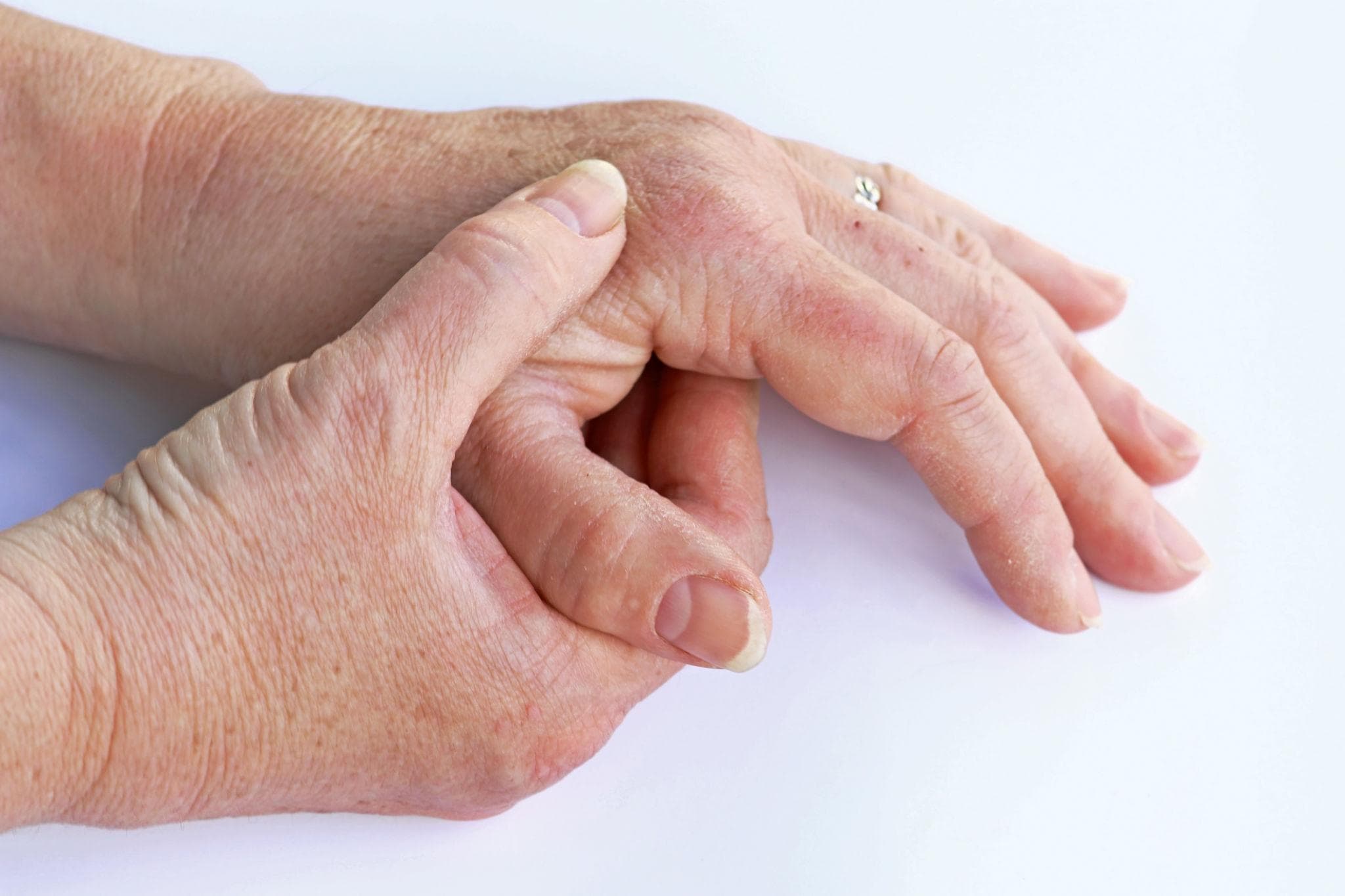
Signs of Arthritis: Early Symptoms, Causes and Treatment Options
Learn the common signs of arthritis, including joint pain, swelling, and stiffness. Explore symptoms, treatment options, and when to seek medical care.
Joint pain can make everyday activities like walking, opening a jar, climbing stairs, or holding a phone more difficult. Sometimes, the discomfort goes away after rest. But when pain, swelling, or stiffness keeps returning, it may be time to look for the cause.
Recognizing the signs of arthritis early can help you seek medical advice, understand what is happening in your joints, and find ways to manage your symptoms. Arthritis can affect different parts of the body, including the hands, feet, knees, shoulders, and elbows. The symptoms may develop slowly or appear more suddenly, depending on the type of arthritis.
In this guide, you will learn about common symptoms, possible causes, treatment options, and when to speak with a healthcare professional.
What Is Arthritis?
Arthritis is a general term for conditions that cause inflammation, pain, stiffness, or damage in one or more joints. A joint is where two bones meet, allowing you to move your body.
There are several types of arthritis, and each can affect the body differently. Osteoarthritis develops when the tissues within a joint gradually change and break down. Rheumatoid arthritis is an autoimmune condition in which the immune system mistakenly attacks the lining of the joints.
Gout, psoriatic arthritis, and other inflammatory conditions can also cause joint problems. Understanding the type of arthritis matters because treatment depends on the underlying cause.
The signs of arthritis are not always the same for everyone. Some people experience mild stiffness after waking up, while others develop swelling, reduced movement, or persistent pain that affects daily life.
10 Common Signs of Arthritis
Arthritis symptoms can begin gradually, making them easy to overlook. Pay attention to changes that keep returning or begin interfering with normal activities.
1. Joint Pain That Keeps Returning
Joint pain is one of the most common signs of arthritis. You may feel an ache during movement, discomfort after activity, or pain even when resting.
With osteoarthritis, pain often becomes more noticeable when you use the affected joint. Inflammatory arthritis may cause pain even when you have not been active.
2. Stiffness After Waking Up
Morning stiffness can make it difficult to get out of bed, stand comfortably, or start moving your fingers.
Stiffness from osteoarthritis may improve after a short period of movement. In rheumatoid arthritis and some other inflammatory conditions, stiffness can last longer, sometimes for an hour or more.
The duration and pattern of stiffness can help a healthcare professional understand what may be causing your symptoms.
3. Swelling Around a Joint
A joint that looks puffy, feels warm, or appears larger than usual may be inflamed. Swelling can make movement uncomfortable and reduce your range of motion.
Persistent swelling is one of the signs of arthritis that deserves medical attention, particularly when it occurs with pain or stiffness.
However, swelling can also result from an injury, infection, or another medical condition, so it should not automatically be assumed to be arthritis.
4. Reduced Range of Motion
You may notice that bending your knee, straightening your elbow, raising your arm, or closing your hand has become more difficult.
Reduced movement can develop because of pain, swelling, stiffness, or changes inside the joint. If these limitations continue, an evaluation can help identify the cause and guide treatment.
5. Tenderness When Touching a Joint
Some joints may hurt when you press gently around them or place weight on them. Tenderness can occur in the fingers, wrists, knees, ankles, and other areas.
Avoid repeatedly pressing a painful joint to test it. Instead, note when the tenderness started, what makes it worse, and whether swelling or warmth is also present.
6. Grinding, Clicking, or Popping
You may hear a grinding sound or feel a clicking sensation when moving a joint. This can occur with osteoarthritis, particularly when the cartilage and other joint structures change over time.
Joint sounds alone do not necessarily mean you have arthritis. They are more concerning when accompanied by pain, swelling, or restricted movement.
7. Warmth or Redness Around a Joint
Inflammation may make the skin around a joint feel warmer than the surrounding area. Redness can sometimes occur, especially during an inflammatory flare.
A suddenly painful, hot, red, or swollen joint needs urgent medical assessment because an infection or another acute condition may be responsible.
8. Weakness or Difficulty Gripping Objects
Joint discomfort can make your muscles work less effectively because you avoid certain movements. You might struggle to open bottles, carry shopping bags, turn keys, or hold kitchen utensils.
These changes may be among the signs of arthritis affecting your hands or wrists, although nerve problems, muscle conditions, and injuries can cause similar difficulties.
9. Symptoms That Affect Both Sides of the Body
Some types of inflammatory arthritis affect matching joints on both sides of the body. For example, both wrists or several finger joints may become painful and swollen.
This pattern can occur with rheumatoid arthritis, but it does not confirm the diagnosis. A clinician considers your symptoms, examination, medical history, and any appropriate tests.
10. Tiredness or General Feeling of Being Unwell
Inflammatory arthritis can sometimes cause fatigue, low energy, or a general feeling of being unwell. These symptoms may occur alongside joint pain and stiffness.
Fatigue has many possible causes, so persistent tiredness should be discussed with a healthcare professional rather than attributed to arthritis without an evaluation.
Where Can Arthritis Develop?
Arthritis can affect almost any joint. The location of your symptoms may provide useful clues, but only a medical assessment can determine the cause.
Arthritis in Feet

Arthritis in feet can make walking, standing, and wearing shoes uncomfortable. You might experience pain in your toes, the middle of your foot, or the joint at the base of your big toe.
Symptoms may become worse after long periods of standing or walking. Some people notice stiffness when taking their first steps in the morning.
If you suspect arthritis in feet, try wearing supportive shoes, reducing activities that increase pain, and discussing persistent symptoms with a clinician. Foot pain can also result from tendon problems, nerve conditions, injuries, or other causes.
Signs of Arthritis in Hands

The signs of arthritis in hands may include stiff fingers, swollen knuckles, tenderness, and difficulty gripping small objects. Everyday tasks such as writing, buttoning clothes, or preparing food may become harder.
You may also wonder, what does arthritis feel like in hands? It can feel like a dull ache, soreness when gripping, stiffness after rest, or pain when bending your fingers. The exact feeling depends on the underlying condition.
Persistent joint discomfort in hands should be evaluated, especially if it affects your ability to use your fingers normally.
Arthritis in Fingers
Arthritis in fingers may cause pain when you bend or straighten your fingers. The joints can become swollen, stiff, or tender, and some people develop firm bumps near the finger joints.
Osteoarthritis commonly affects the joints closest to the fingertips and the middle finger joints. Rheumatoid arthritis can affect several finger joints and often causes prolonged morning stiffness.
If you notice changes associated with arthritis in fingers, avoid forcing painful joints through their full range of motion. Gentle movement may help maintain flexibility, but persistent symptoms need professional assessment.
Elbow Arthritis
Elbow arthritis can cause pain when bending or straightening your arm. You might also notice stiffness, swelling, or difficulty lifting objects.
The elbow can be affected by osteoarthritis, inflammatory arthritis, previous injuries, and other joint conditions. Pain around the elbow can also come from tendons or nerves rather than the joint itself.
If elbow arthritis is suspected, a clinician can assess your movement and determine whether imaging or other tests may be useful.
Knee, Shoulder, and Other Joints
Knee arthritis may cause discomfort while walking, standing up from a chair, or using stairs. A rheumatoid arthritis knee flare may involve swelling, warmth, and stiffness, although many conditions can produce similar symptoms.
Shoulder arthritis symptoms can include pain when reaching overhead, difficulty dressing, and limited arm movement. Arthritis can also affect the hips, spine, ankles, and wrists.
The signs of arthritis vary according to which joint is affected, the type of arthritis, and how advanced the condition may be.
What Causes Arthritis?
There is no single cause of arthritis. Different types develop for different reasons.
Common risk factors include:
Age: The likelihood of some forms of arthritis, especially osteoarthritis, increases with age.
Previous injuries: Joint injuries can increase the risk of developing osteoarthritis later.
Family history: Genetics can contribute to the risk of certain types of arthritis.
Autoimmune activity: Conditions such as rheumatoid arthritis develop when the immune system mistakenly attacks healthy joint tissue.
Body weight: Extra body weight can increase pressure on weight-bearing joints, including the knees and hips.
Repetitive joint stress: Certain activities may place repeated stress on joints, depending on their intensity and duration.
Other health conditions: Gout and psoriasis are associated with particular forms of arthritis.
Having one or more risk factors does not mean you will develop arthritis. Likewise, arthritis can occur in people without obvious risk factors.
How Is Arthritis Diagnosed?
If you notice persistent signs of arthritis, arranging a medical assessment is a sensible next step. Early evaluation can help identify the cause and reduce the chance of overlooking a condition that needs specific treatment.
A healthcare professional may:
Review your symptoms: They may ask when the pain started, how long stiffness lasts, which joints are affected, and whether symptoms change during the day.
Examine your joints: The assessment may include checking swelling, warmth, tenderness, strength, and movement.
Recommend blood tests: Depending on your symptoms, testing may help identify inflammation or support an assessment for certain autoimmune conditions. No single blood test can diagnose every type of arthritis.
Consider imaging: X-rays or other imaging may help identify changes in the joint when clinically appropriate.
Assess other possible causes: Injuries, infections, tendon problems, and other conditions can resemble arthritis.
Not everyone needs every test. Your clinician will decide which investigations are appropriate based on your symptoms and examination.
Arthritis Treatment and Ways to Manage Symptoms
Treatment depends on the type of arthritis, the joints involved, and how much your symptoms affect daily life. The goal is to reduce pain, maintain movement, and help you continue your usual activities.
1. Stay Gently Active
Regular, low-impact movement can help maintain joint flexibility and strengthen the muscles that support your joints. Walking, swimming, and water-based exercise may be suitable options for some people.
If knee discomfort limits your movement, ask a healthcare professional about appropriate knee pain exercises. Start slowly and avoid exercises that cause sharp or worsening pain. A physical therapist can recommend movements suited to your condition.
2. Use Heat or Cold When Appropriate
A warm shower or warm compress may ease stiffness. A cold pack wrapped in a towel may help reduce discomfort and swelling after activity.
Avoid placing ice or very hot items directly on your skin. Stop if you experience increased pain, numbness, or skin irritation.
3. Make Everyday Tasks Easier
Small changes can reduce strain on painful joints:
Use jars and bottles with easy-grip handles.
Choose supportive footwear if your feet hurt.
Take short breaks during repetitive tasks.
Use both hands when lifting heavier objects.
Alternate activity with rest instead of remaining inactive all day.
For arthritis in feet, supportive shoes and adjustments to standing or walking routines may help reduce discomfort. If footwear changes do not help, ask a clinician whether further assessment is needed.
4. Discuss Medication Options
Depending on your diagnosis, a healthcare professional may recommend topical pain-relieving products, oral pain medicines, anti-inflammatory medicines, or prescription treatments.
For example, people sometimes compare Tylenol Arthritis vs Tylenol when looking for pain relief. Both contain acetaminophen as the active ingredient in their standard formulations, but the Arthritis product is designed for extended release. Follow the package directions, and do not combine products containing acetaminophen without checking the total dose. Too much can cause serious liver damage.
Anti-inflammatory medicines also have potential risks, including stomach bleeding, kidney problems, and cardiovascular complications. Ask a clinician or pharmacist which option is appropriate for you.
For rheumatoid arthritis and certain other inflammatory conditions, disease-modifying medicines may be necessary to control the underlying disease. Ordinary pain relievers alone do not prevent joint damage from these conditions.
5. Maintain a Healthy Weight and Balanced Diet
If you have excess weight, gradual weight management may reduce pressure on your knees and hips. A balanced diet with vegetables, fruits, whole grains, protein sources, and healthy fats can support general health.
No single food or supplement cures arthritis. Speak with a healthcare professional before starting supplements, particularly if you take prescription medicines or have other health conditions.
6. Seek Help Before Symptoms Become Limiting
Do not wait until pain prevents you from completing everyday tasks. Recognizing the signs of arthritis and seeking advice early can help you understand your options.
A clinician can also explain whether physiotherapy, specialist assessment, or additional investigations may be appropriate for your situation.
When Should You See a Doctor?
Arrange a medical appointment if joint pain or stiffness keeps returning, swelling persists, movement becomes limited, or symptoms interfere with sleep or daily activities.
Seek urgent medical attention if you develop a suddenly hot, red, swollen, and very painful joint, particularly with fever or chills. This can indicate a joint infection that requires prompt treatment.
New severe pain after an injury, inability to bear weight, or sudden major loss of joint function also warrants urgent assessment.
Remember, the signs of arthritis can overlap with symptoms of other conditions. A professional evaluation is the best way to understand what may be causing your discomfort.
How MyHomeDoc Telehealth Can Help
If joint discomfort is making your day harder, you do not have to ignore it or guess what is causing it. MyHomeDoc Telehealth offers convenient online medical appointments for patients in Texas, with visits starting at $39.
During an online appointment, a clinician can review your symptoms, discuss your medical history, and help determine appropriate next steps. Depending on your situation, you may need an in-person joint examination, imaging, laboratory tests, or referral to a specialist.
Telehealth is not a substitute for emergency care, and some joint problems require a hands-on examination. However, an online consultation can be a convenient starting point for discussing ongoing symptoms and understanding your care options.
Visit MyHomeDoc.care to explore online appointment options and take the next step toward understanding your joint pain.
Frequently Asked Questions
1. What does arthritis feel like in hands?
It may feel like aching, stiffness, tenderness, or pain when gripping and bending your fingers. Some people notice swollen knuckles or difficulty opening jars. If hand pain persists or interferes with daily activities, arrange a medical evaluation.
2. Can knee pain exercises help with arthritis?
Appropriate exercises can strengthen the muscles around the knee, improve flexibility, and support everyday movement. Walking, swimming, and clinician-recommended strengthening exercises may help. Choose movements suited to your condition, and stop if an exercise causes sharp or worsening pain.
3. How can I manage joint discomfort in hands at home?
Try gentle finger movements, take breaks from repetitive tasks, and use tools with comfortable grips. Warmth may help stiffness, while a wrapped cold pack may ease swelling. If your hands become increasingly painful, swollen, or difficult to move, seek medical advice.
4. Does rheumatoid arthritis in the knee cause swelling?
Yes. Rheumatoid arthritis affecting the knee can cause swelling, warmth, pain, and prolonged stiffness, sometimes alongside fatigue or symptoms in other joints. However, similar symptoms can occur with other conditions. A clinician may recommend an examination and appropriate tests to identify the cause.
5. Are shoulder arthritis symptoms always painful?
Not always. Some people experience stiffness or reduced movement before pain becomes noticeable. Others develop pain when reaching overhead, dressing, or sleeping on the affected side. Persistent shoulder symptoms deserve evaluation because arthritis, tendon problems, and other conditions can produce similar discomfort.
Conclusion
Recognizing the signs of arthritis can help you take action before joint discomfort begins to interfere more seriously with daily life. Persistent pain, morning stiffness, swelling, tenderness, and reduced movement deserve attention, especially when they keep returning.
Although arthritis cannot always be prevented or cured, the right diagnosis and treatment plan can help many people manage symptoms and maintain their mobility.
If you are experiencing ongoing joint pain, contact MyHomeDoc Telehealth to discuss your symptoms and learn what steps may be appropriate. Visit MyHomeDoc.care to explore online medical appointments starting at $39.
Have questions? Talk to a doctor today.
MyHomeDoc physicians are available 7 days a week across Texas.
Book an Appointment