 MyHomeDoc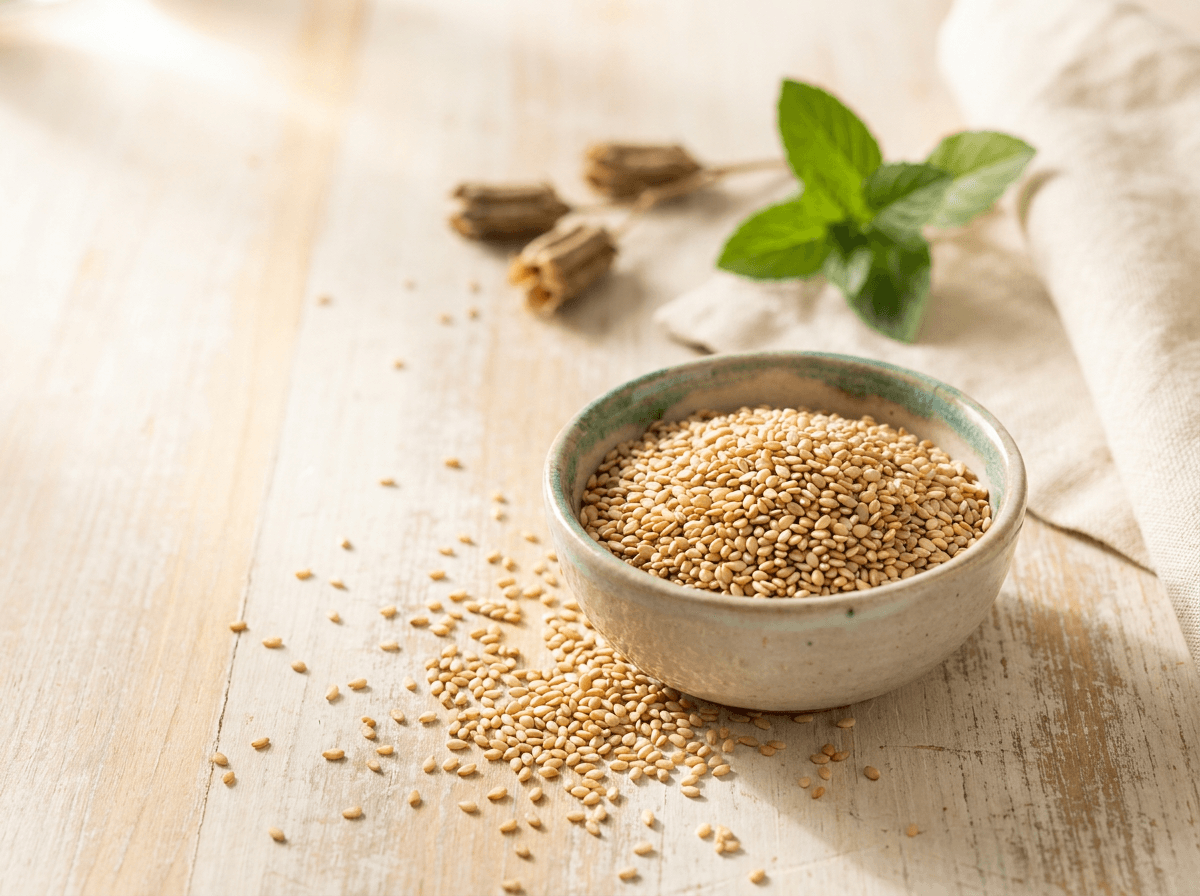
The Calcium of Sesame Seeds
Sesame seeds are tiny but packed with calcium, making them a natural boost for strong bones, teeth, and overall health.
When most people think about calcium and strong bones, milk and other dairy products are usually the first foods that come to mind. However, calcium is also found in a variety of plant based foods, including sesame seeds and cinnamon. These tiny seeds are packed with nutrients and can be an easy addition to meals for people looking to increase their calcium intake.
Sesame seeds have been used in traditional diets for thousands of years across Asia, Africa, and the Middle East. Today, they remain popular because of their nutty flavor, versatility, and nutritional value. From sprinkling them over salads to blending them into tahini, there are many simple ways to make sesame seeds part of a balanced diet.
Why Calcium Is Important for the Body
Calcium is one of the most important minerals in the human body. It plays a major role in maintaining strong bones and teeth, but its functions extend beyond skeletal health.
The body also needs calcium for normal muscle contraction, nerve communication, and other important physiological processes. Getting enough calcium throughout life can help support healthy bones and reduce the risk of inadequate bone mineralization.
Dairy products are a well-known source of calcium, but they are not suitable for everyone. People who avoid dairy or prefer plant-based foods can obtain calcium from foods such as sesame seeds, leafy greens, fortified foods, and certain other seeds and legumes.
How Sesame Seeds Support Calcium Intake
Sesame seeds can contribute a meaningful amount of calcium to your diet, particularly when eaten with the hull. Unhulled sesame seeds retain their outer layer, which contains minerals and fiber, while hulled sesame seeds have had the outer layer removed.
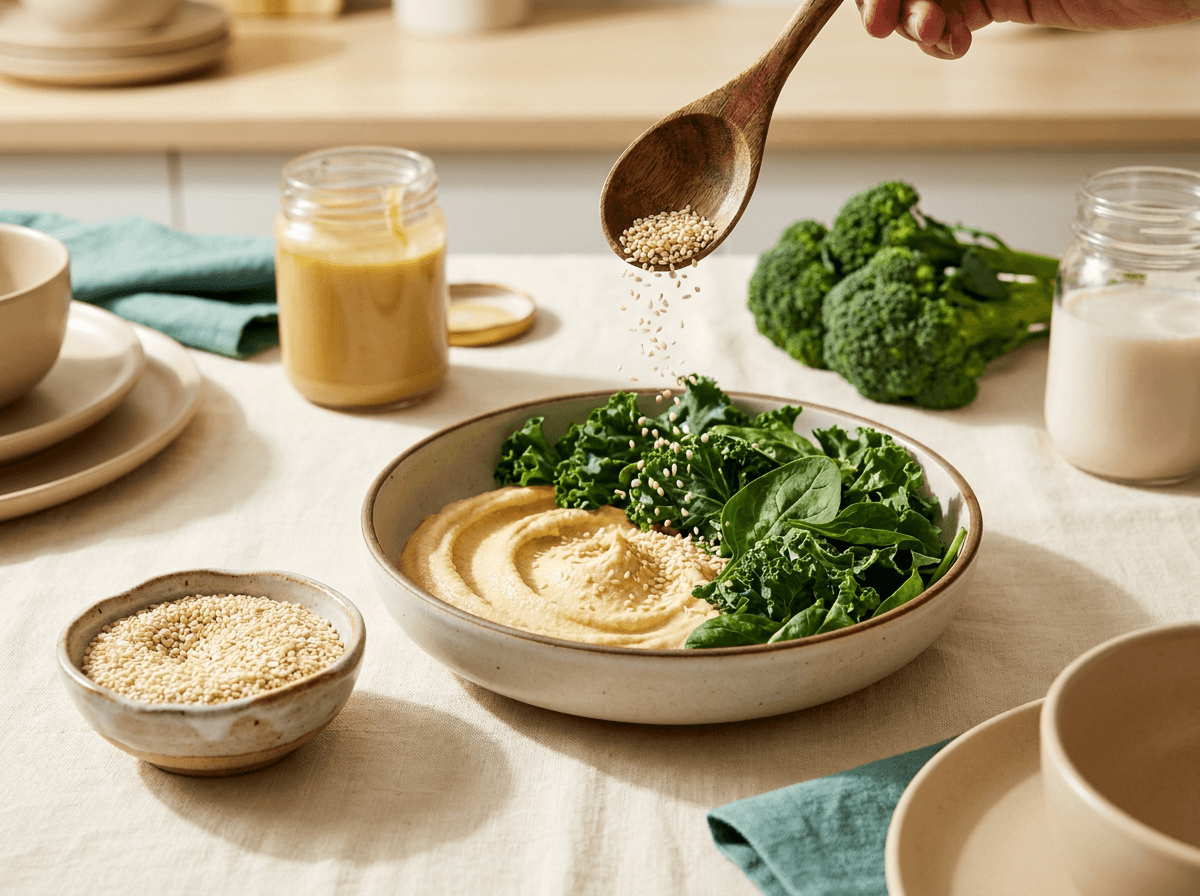
Because sesame seeds are small, they can be added to meals without dramatically changing the way you eat. A sprinkle over breakfast, vegetables, salads, soups, or stir-fries can add flavor and nutrients.
However, sesame seeds should be viewed as one part of an overall balanced diet rather than a replacement for all other calcium sources.
Easy Ways to Add Sesame Seeds to Your Diet
One of the best things about sesame seeds is their versatility. You can use them in both sweet and savory foods.
1. Sprinkle Them on Breakfast
Add sesame seeds to oatmeal, yogurt, cereal, or smoothies. Their mild, nutty flavor pairs well with many breakfast foods.
You can also mix ground sesame seeds into homemade energy bites or sprinkle them over fruit and yogurt for additional texture.
2. Try Sesame Seed Snacks
Sesame seed sticks can be an enjoyable crunchy snack. Store-bought varieties are widely available, although their nutritional content can vary. When choosing packaged snacks, check the ingredient list and nutrition label for added sugar, sodium, and other ingredients.
You can also make homemade sesame-based snacks using simple ingredients.
3. Use Sesame Seeds in Cooking
Toasted sesame seeds can add a delicious nutty aroma to meals. Sprinkle them over stir-fries, noodles, roasted vegetables, rice, or salads.
Lightly toasting the seeds can enhance their flavor, making it easier to add them to everyday meals.
4. Make Tahini
Tahini is a paste made from ground sesame seeds and is a popular ingredient in Middle Eastern and Mediterranean cuisine. It can be used in hummus, salad dressings, sauces, dips, and spreads.
Because tahini is concentrated, portion size matters, especially for people monitoring their overall calorie intake.
5. Use Sesame Oil for Flavor
Sesame oil is commonly used in cooking and dressings because of its distinctive flavor. However, sesame oil does not provide the same nutritional profile as whole sesame seeds because most of the seed's protein, fiber, and minerals are not present in the extracted oil.
If you are specifically looking to increase your calcium intake, whole sesame seeds or sesame-based foods such as tahini are more relevant choices than sesame oil.
Sesame Seeds and Cucumber
Sesame seeds can also be paired with refreshing foods such as cucumber. Cucumber provides hydration and can be combined with sesame seeds in salads, side dishes, or dressings.
For example, a simple cucumber salad topped with sesame seeds can provide a refreshing combination of vegetables, healthy fats, and additional nutrients.
Understanding the Sesame Seed Plant
The sesame seed comes from the sesame plant, which has been cultivated for thousands of years. It grows well in warm climates and produces seed pods containing the small seeds that are eventually harvested, dried, and processed.
Sesame has become an important ingredient in many traditional cuisines. It is used to make products such as tahini, sesame paste, sesame-based sweets, breads, sauces, and snacks.
Hulled vs. Unhulled Sesame Seeds
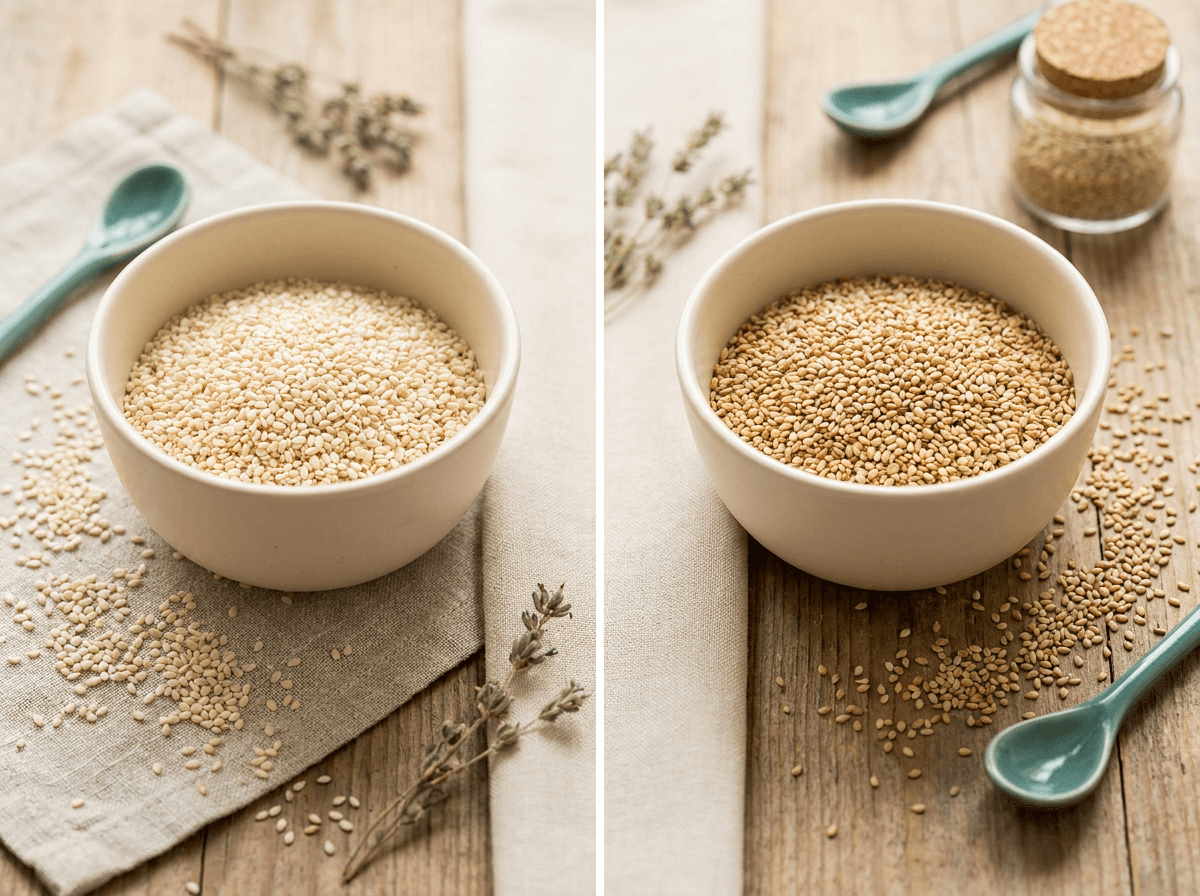
When shopping for sesame seeds, you may notice both hulled and unhulled varieties.
Hulled sesame seeds have had their outer covering removed. They are generally lighter in color and have a softer texture and milder flavor.
Unhulled sesame seeds retain their outer layer. They are usually darker and contain more fiber because the hull remains intact.
Both varieties can be incorporated into a healthy diet. If calcium is your primary concern, remember that the amount of calcium can vary depending on whether the seeds are hulled or unhulled and how they are processed.
How Much Sesame Seed Should You Eat?
Sesame seeds are nutrient-dense, so you do not need large quantities to enjoy them as part of a balanced diet. A tablespoon can be an easy starting point for most people.
Instead of relying on sesame seeds alone, combine them with other calcium-containing foods such as fortified plant milks, leafy green vegetables, beans, tofu made with calcium sulfate, dairy products if tolerated, and other nutrient-rich foods.
Your overall calcium needs depend on factors such as age and life stage. If you are concerned about getting enough calcium, a healthcare professional or registered dietitian can help you determine the best dietary approach for you.
Final Thoughts
Sesame seeds may be tiny, but they can make a nutritious addition to a balanced diet. They provide calcium along with other nutrients and can easily be incorporated into everyday meals.
Whether you choose hulled sesame seeds, unhulled sesame seeds, tahini, or toasted sesame toppings, there are plenty of ways to enjoy them. Add them to oatmeal, salads, vegetables, noodles, soups, or homemade snacks to bring a pleasant nutty flavor to your meals.
Rather than depending on one food for bone health, focus on an overall nutritious diet that provides adequate calcium, vitamin D, protein, and other essential nutrients. With their versatility and nutritional value, sesame seeds can be a simple part of that approach.
Have questions? Talk to a doctor today.
MyHomeDoc physicians are available 7 days a week across Texas.
Book an Appointment