 MyHomeDoc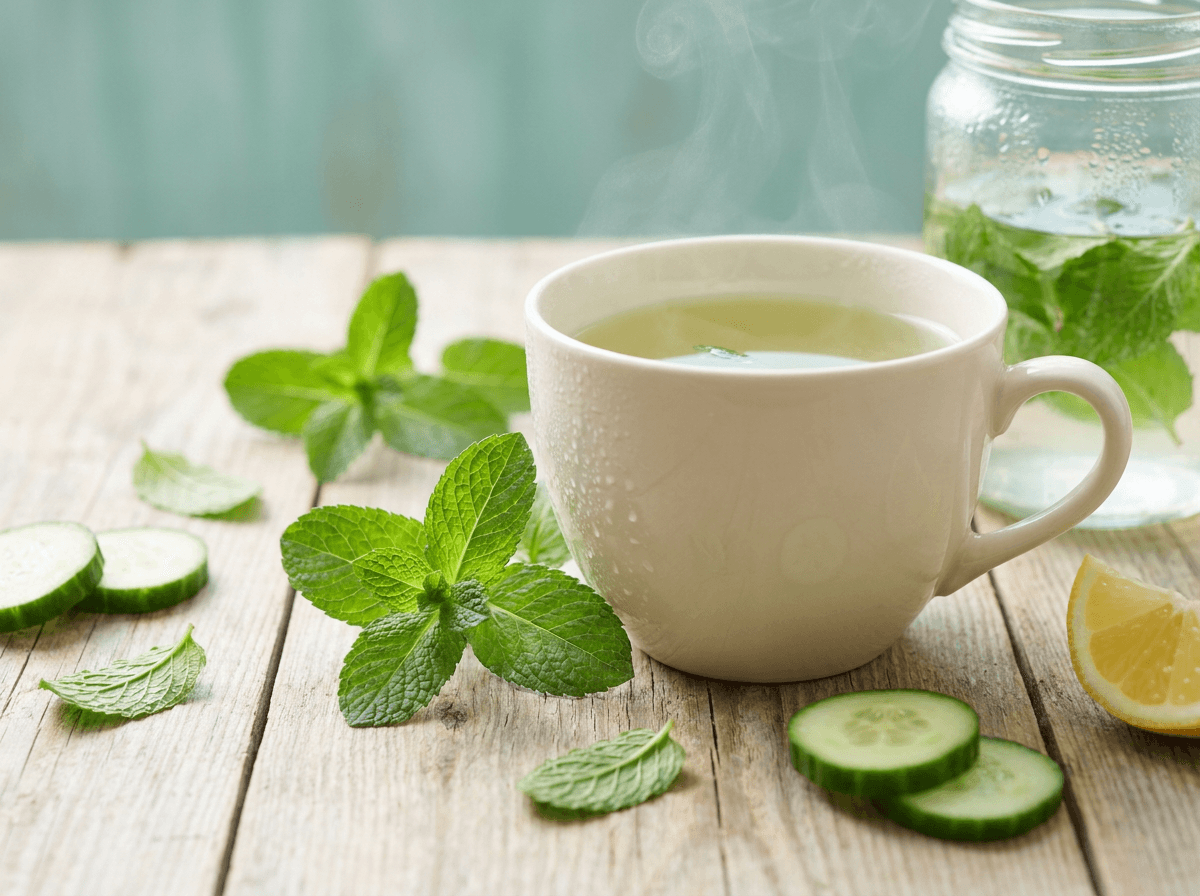
Mint possesses Digestive and Fresh making Properties.
Mint is valued for its digestive benefits and refreshing qualities. It helps soothe the stomach, ease indigestion, and reduce bloating, while its cooling aroma freshens breath.
Mint is one of the most popular herbs in the world, valued for its cool flavour, refreshing aroma, and versatility. From a warm cup of mint tea to fresh mint leaves added to salads and meals, this simple herb can be an enjoyable part of a healthy diet.
Beyond its refreshing taste, mint has traditionally been used to support digestion. Certain mint preparations may help soothe digestive discomfort, while the herb's cooling aroma can make foods and drinks feel fresh and enjoyable.
Let's explore the potential digestive and refreshing properties of mint and some easy ways to include it in your daily routine.
What Are Minted Greens?
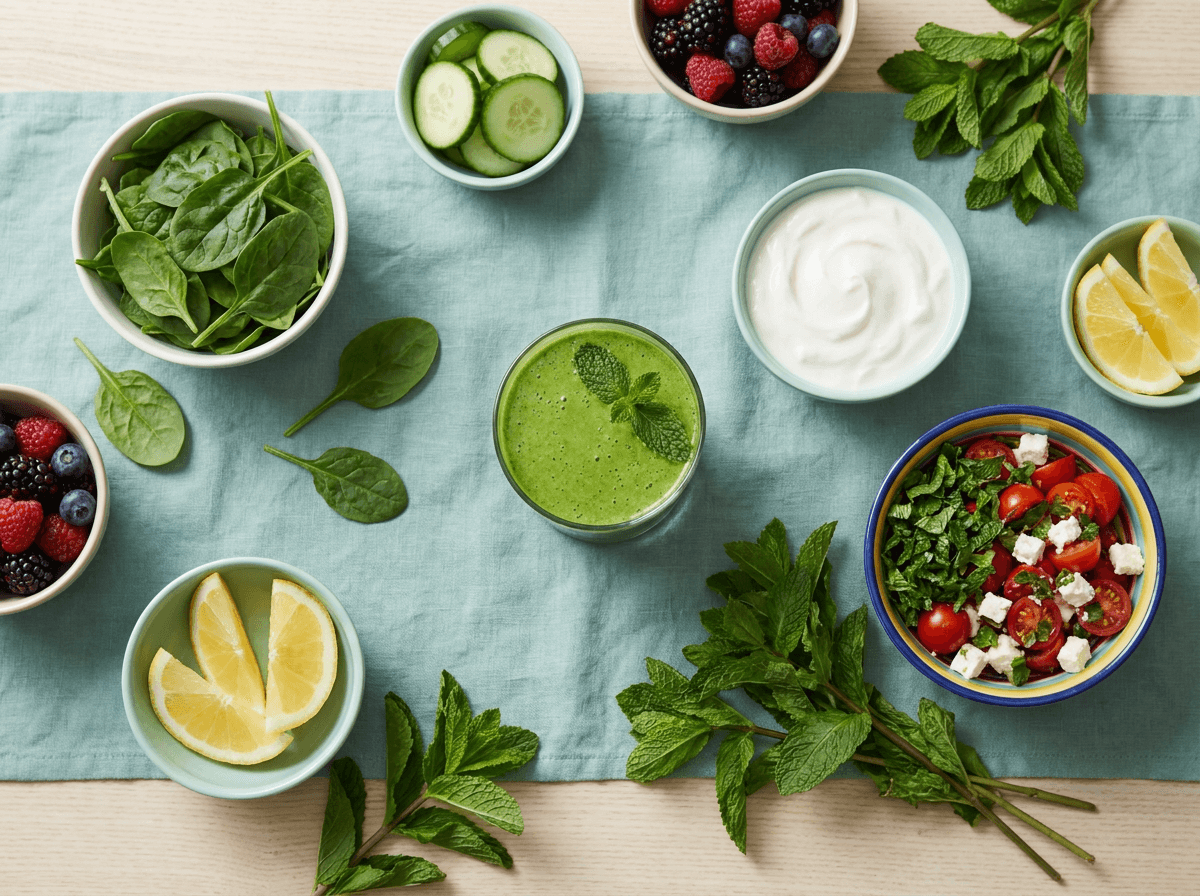
Minted greens are simply leafy greens or other vegetables combined with fresh mint. Greens such as spinach, kale, cucumber, pumpkin seeds and lettuce can pair particularly well with mint.
Adding fresh mint to these foods provides a distinctive cooling flavour while helping make nutritious meals more enjoyable.
You can add mint to:
- Salads
- Smoothies
- Soups
- Yoghurt-based dishes
- Homemade drinks
- Vegetable dishes
Mint contains naturally occurring compounds, including menthol, which gives the herb its characteristic cooling sensation and refreshing aroma.
Mint May Help Soothe Digestive Discomfort
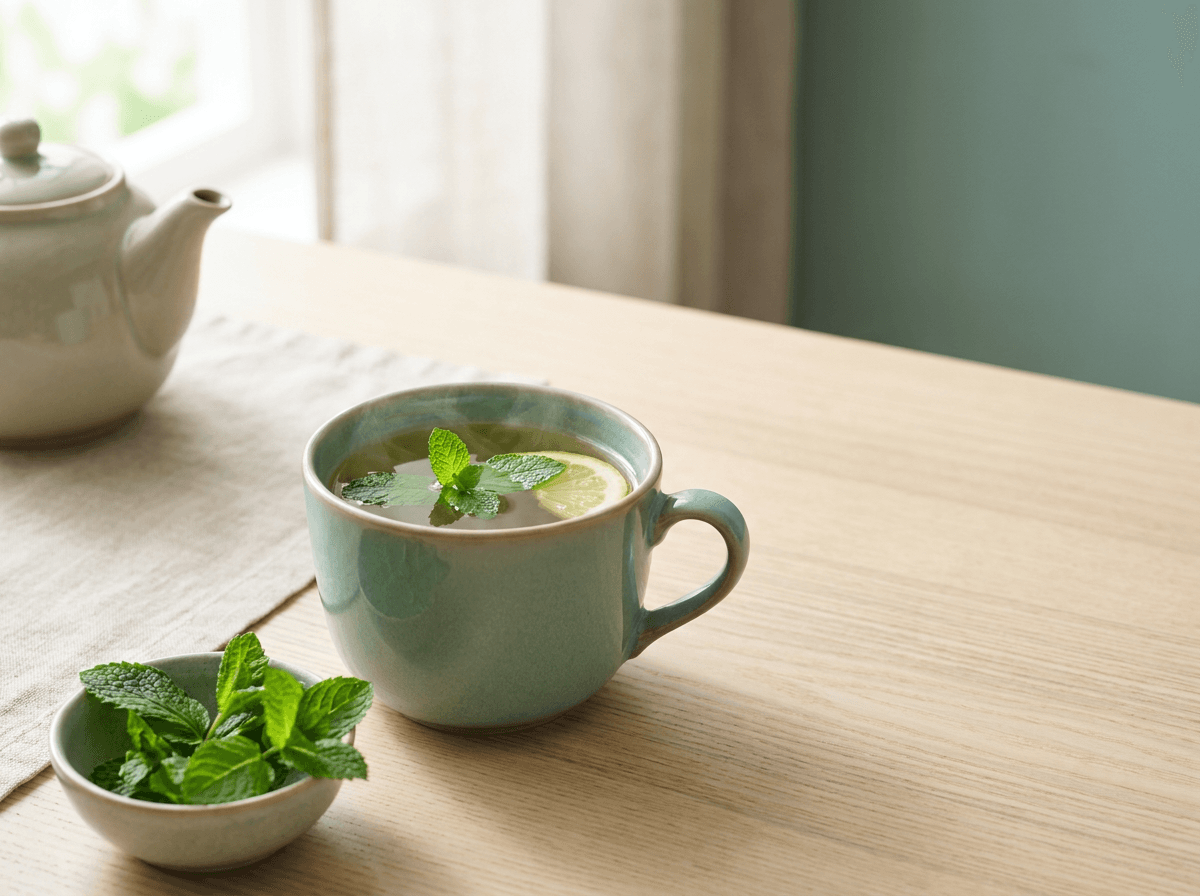
One of the best-known traditional uses of mint is supporting digestion. Mint tea is commonly consumed after meals because its pleasant flavour can feel soothing and refreshing.
Certain types of mint, particularly peppermint, have been studied for their potential effects on digestive discomfort. Peppermint oil, for example, may help relax certain muscles in the digestive tract.
However, the evidence depends on the specific preparation and condition. Drinking mint tea is not the same as taking concentrated peppermint oil, and people with ongoing digestive symptoms should seek medical advice rather than relying solely on herbs.
Mint and Bloating
Bloating and gas can occur for many different reasons, including eating too quickly, consuming certain foods, constipation, or food intolerances.
Mint is traditionally considered a carminative herb, meaning it has historically been used to help relieve digestive gas and discomfort.
A cup of mint tea after a meal may be a pleasant option for people who experience occasional digestive discomfort. If bloating is frequent, painful, or accompanied by unexplained weight loss, vomiting, blood in the stool, or persistent changes in bowel habits, consult a healthcare professional.
Mint and the Digestive Process
Mint can be a useful addition to meals because it adds flavour without requiring large amounts of salt, sugar, or heavy sauces.
Although mint is sometimes described as stimulating digestive enzymes, claims about dramatically increasing digestive enzyme production should not be overstated. More research is needed to understand exactly how different mint preparations affect digestion.
Nevertheless, incorporating fresh herbs such as mint into meals can encourage a varied and nutritious diet.
The Refreshing Power of Mint
Mint is particularly well known for its refreshing qualities. The menthol found in many varieties of mint activates cold-sensitive receptors in the mouth and creates a cooling sensation.
This is why mint is commonly used in teas, chewing gum, toothpaste, mouthwash, desserts, and drinks.
A chilled mint drink can be especially refreshing on a warm day, while hot mint tea can provide a comforting drink after a meal.
Does Mint Freshen Breath?
Mint can make your breath feel fresher because of its strong aroma and flavour. This is one reason mint is commonly found in oral-care products.
However, mint does not necessarily eliminate the underlying cause of persistent bad breath. Bad breath can sometimes be related to dental problems, dry mouth, gum disease, certain foods, or other health conditions.
Good oral hygiene, including brushing, flossing, and regular dental check-ups, remains important for maintaining fresh breath.
Mint Enhances the Flavour of Food
One of the simplest benefits of mint is its ability to improve the flavour of everyday meals.
Fresh mint can add a cool, slightly sweet flavour to dishes without adding significant calories. It pairs particularly well with vegetables, fruit, yoghurt, legumes, and grains.
Try adding chopped mint to:
- Cucumber and yoghurt salads
- Fresh fruit salads
- Green salads
- Homemade sauces
- Lentil dishes
- Vegetable soups
- Smoothies
This makes it easier to enjoy nutritious foods while keeping meals interesting.
Mint Tea: A Simple Way to Enjoy Mint
Mint tea is one of the easiest ways to incorporate this herb into your routine.
To make a simple mint tea, add fresh mint leaves to hot water and allow them to steep for several minutes. You can enjoy it plain or add a small amount of lemon for additional flavour.
Many people enjoy mint tea after meals because it is naturally refreshing and caffeine-free when made solely from mint leaves.
Mint Smoothies and Minted Greens
If you enjoy smoothies, fresh mint can provide a refreshing twist.
Try combining a few mint leaves with leafy greens, cucumber, fruit, yoghurt, and water or milk. This creates a nutrient-rich drink with a fresh flavour.
You can also add mint to salads containing spinach, kale, lettuce, cucumber, tomatoes, or other vegetables.
The combination of leafy greens and fresh herbs can make a simple meal more appealing while adding variety to your diet.
Are There Any Precautions With Mint?
Mint is generally used safely as a culinary herb for most people. However, concentrated peppermint products, particularly peppermint oil, can cause side effects in some individuals.
Peppermint may worsen heartburn or acid reflux in some people. Concentrated essential oils should not be consumed casually, and they should be kept away from children unless specifically advised by a healthcare professional.
If you are pregnant, taking medication, or have an ongoing digestive condition, speak with a healthcare professional before using concentrated herbal preparations.
Easy Ways to Add Mint to Your Diet
Fresh Mint in Salads
Chop fresh mint leaves and mix them into your favourite salad for a cooling flavour.
Mint Tea
Enjoy a warm cup of mint tea after a meal or as a relaxing caffeine-free drink.
Mint Smoothies
Blend fresh mint with fruit, leafy greens, yoghurt, and your preferred liquid.
Mint and Yoghurt
Combine fresh mint with plain yoghurt and cucumber for a refreshing side dish or dip.
Homemade Mint Drinks
Add fresh mint, lemon, cucumber, and water to create a simple refreshing drink.
Frequently Asked Questions
1. What are the digestive benefits of mint?
Mint has traditionally been used to support digestion and may help some people with occasional digestive discomfort. Peppermint preparations have also been studied for certain digestive symptoms.
2. Can mint help with bloating and gas?
Mint may help some people feel more comfortable when experiencing occasional bloating or digestive gas. However, persistent bloating should be evaluated by a healthcare professional.
3. Does mint freshen breath?
Mint provides a strong, refreshing aroma that can temporarily make the breath smell fresher. However, persistent bad breath may require attention to oral hygiene or an underlying dental or medical cause.
4. Is mint tea good after meals?
Mint tea is a caffeine-free drink that many people enjoy after meals. It may feel soothing and refreshing, although individual digestive responses can vary.
5. Can I add mint to smoothies?
Yes. Fresh mint can be added to smoothies with fruit, vegetables, yoghurt, or leafy greens for a refreshing flavour.
6. Can mint worsen acid reflux?
It can. Mint and peppermint may worsen heartburn or reflux symptoms in some people. If you have acid reflux, pay attention to how your body responds to mint.
Conclusion
Mint is a versatile herb valued for its refreshing flavour, cooling sensation, and traditional digestive uses. Adding fresh mint to salads, smoothies, yoghurt, drinks, and meals can be an easy way to introduce more flavour and variety into your diet.
Mint tea can also be a pleasant caffeine-free beverage, particularly after meals. While mint may help with occasional digestive discomfort for some people, it should not be viewed as a treatment for persistent digestive problems.
For ongoing symptoms such as severe abdominal pain, persistent bloating, frequent heartburn, or unexplained changes in digestion, consult a healthcare professional.
For convenient personalised healthcare advice, MyHomeDoc Telehealth can help you connect with healthcare professionals from the comfort of your home.
Have questions? Talk to a doctor today.
MyHomeDoc physicians are available 7 days a week across Texas.
Book an Appointment