 MyHomeDoc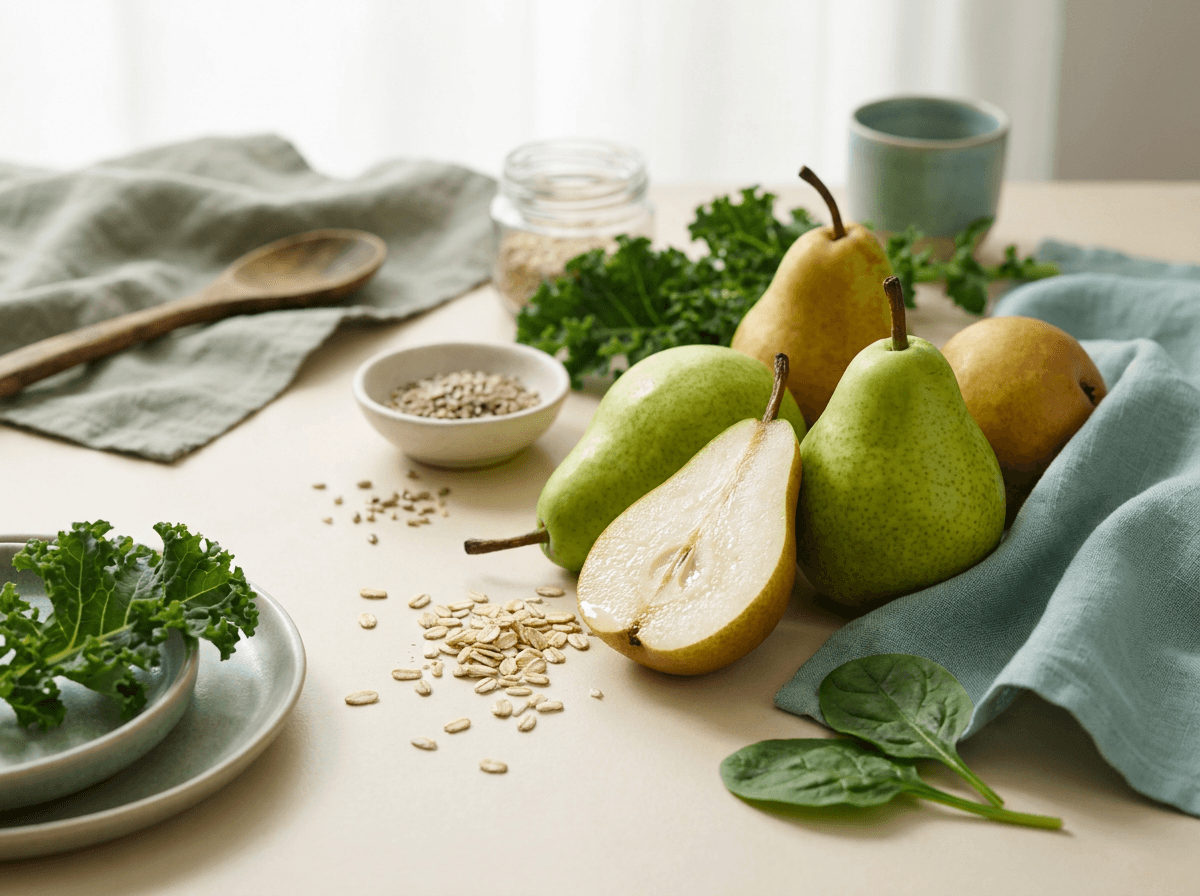
Pears Health Promotions: Fiber and Digestion
Pears are a fiber-rich fruit that support healthy digestion, prevent constipation, and promote gut health. Low in calories yet packed with nutrients, pears are a natural way to aid weight control.
When people think about healthy fruits, apples, berries, mint and oranges often come to mind first. Pears, however, deserve just as much attention. This juicy and naturally sweet fruit is a good source of dietary fibre, water, vitamins, minerals, and beneficial plant compounds that can support digestion and overall health.
Whether you enjoy a crisp green pear as a snack or add sliced pears to oatmeal, yoghurt, salads, or smoothies, this simple fruit can be an easy and delicious addition to a balanced diet.
One of the biggest health benefits of pears is their fibre content. Let's take a closer look at how pears can support healthy digestion and what other benefits they may offer.
Why Fibre in Pears Matters
Fibre is one of the main reasons pears can be beneficial for digestive health. Unlike many nutrients, fibre passes through the digestive system without being fully broken down, helping support normal bowel function.
A medium pear provides several grams of dietary fibre, including both soluble and insoluble fibre.
Soluble fibre absorbs water and forms a gel-like substance in the digestive tract. It can help support healthy digestion and may also contribute to maintaining healthy cholesterol levels.
Insoluble fibre adds bulk to stool and helps food move through the digestive tract more efficiently. Getting enough fibre may help prevent constipation and support regular bowel movements.
For these reasons, including pears as part of a fibre-rich diet can be a simple way to support your digestive system.
Pears and Smooth Digestion
Pears contain fibre and a high water content, both of which can contribute to healthy digestion. They also contain naturally occurring sugars, including sorbitol, which can have a mild laxative effect in some people.
This combination may make pears a useful food for people looking to increase their fibre intake naturally.
However, eating large amounts of pears at once may cause gas, bloating, or loose stools in some people because of their fibre and naturally occurring sugar alcohols. If you are not accustomed to eating much fibre, increase your intake gradually and drink enough water.
Different Types of Pears
Pears come in many varieties, each with its own flavour, texture, colour, and sweetness. Their nutritional profiles are generally similar, although they can vary slightly.
Green Skinned Pears
Green-skinned pears are popular for their crisp texture and refreshing flavour. They can be eaten on their own or sliced into salads, cereals, and yoghurt.
Like other pear varieties, they provide fibre and water, making them a nutritious snack option.
Golden Pears
Golden or yellow-skinned pears are often softer and sweeter than some green varieties. Their naturally sweet flavour makes them a good choice when you want something sweet without reaching for a highly processed dessert.
Try slicing a golden pear and adding it to porridge, yoghurt, or a fruit salad.
Navigator Pears
Navigator is a name associated with particular pear cultivars, although availability varies by region. Like other edible pear varieties, it can provide fibre, water, and naturally occurring plant nutrients.
If you find this variety locally, you can enjoy it fresh or add it to smoothies and other meals.
Cleveland Pear Tree
The Cleveland pear, commonly known as the Cleveland Select pear, is primarily valued as an ornamental tree. It is grown for its attractive shape and spring flowers rather than as a common fruit-producing variety.
It is therefore important not to confuse ornamental pear trees with the edible pear varieties commonly sold as food.
Easy Ways to Add Pears to Your Diet
Pears are versatile and can be enjoyed in many different ways.
Add Pears to Breakfast
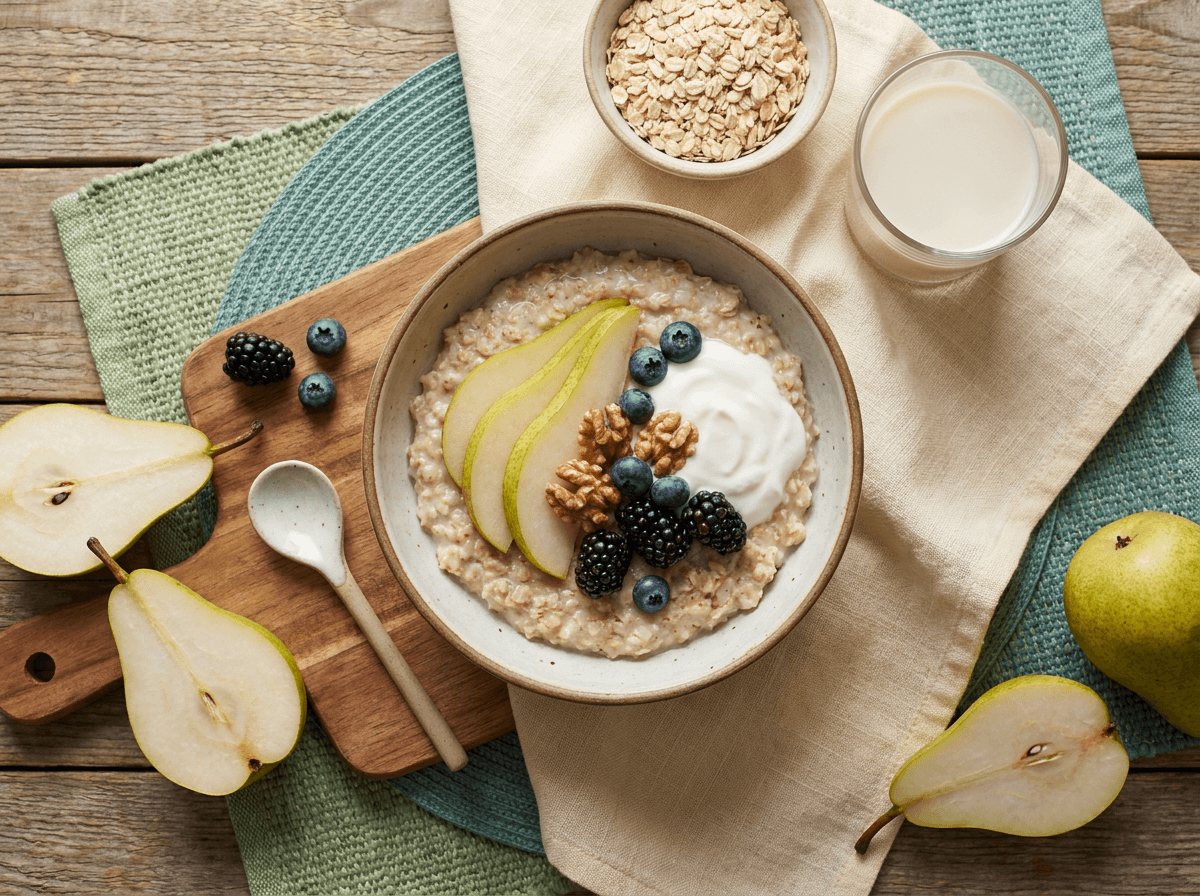
Slice a pear and add it to oatmeal, cereal, yoghurt, or whole-grain toast. Combining pears with nuts or seeds can create a more filling breakfast.
Make a Pear Salad
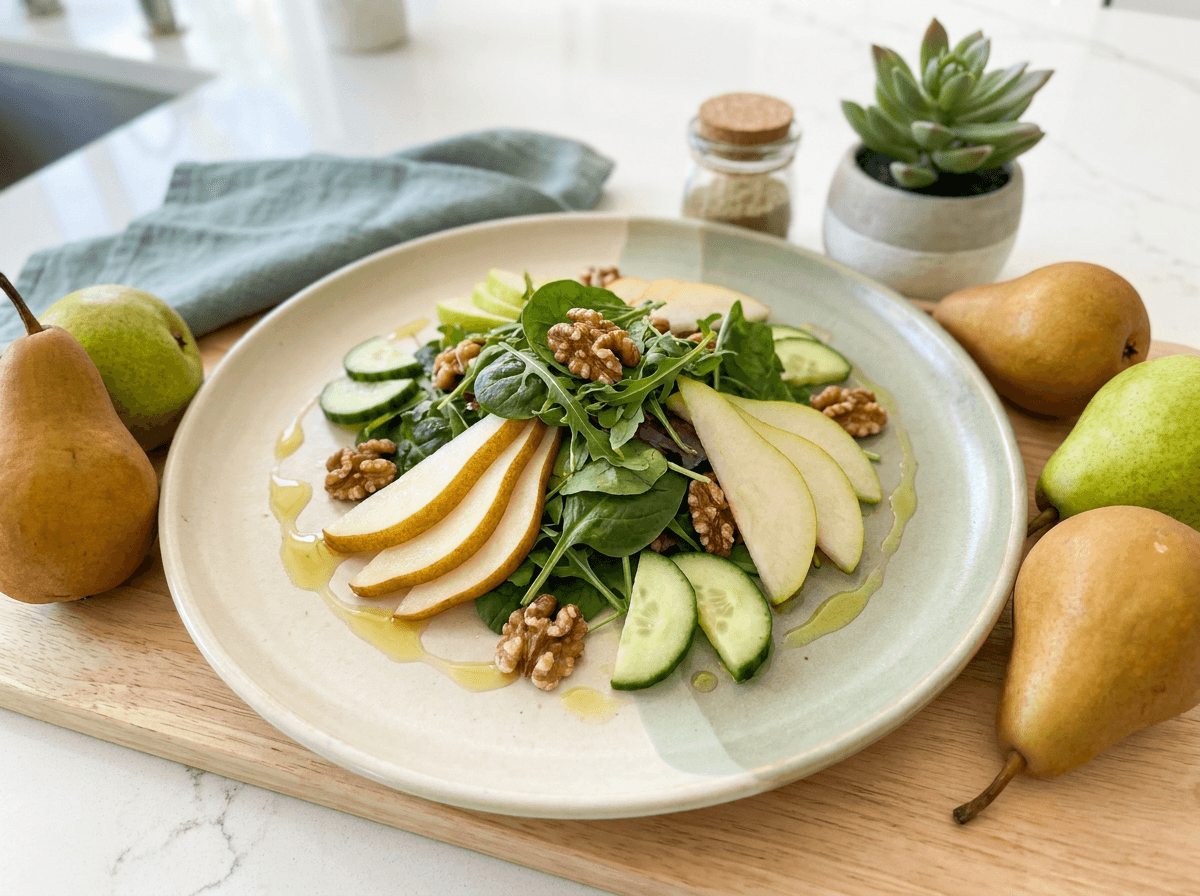
Try combining sliced pear with spinach or other leafy greens. You can add nuts, seeds, and a light olive-oil-based dressing for a nutritious meal.
Blend Pears Into Smoothies
Pears can add natural sweetness to smoothies. Combine pear with banana, spinach, yoghurt, and your preferred liquid for a fibre-rich drink.
Enjoy a Baked Pear
For a naturally sweet dessert, bake a pear with cinnamon. You can add a small amount of chopped nuts for extra texture and nutrition.
Other Health Benefits of Pears
The benefits of pears go beyond digestion. They provide several important nutrients and plant compounds that can contribute to overall wellbeing.
Vitamin C
Pears provide vitamin C, which contributes to normal immune system function and helps protect cells from oxidative stress.
Potassium
Pears contain potassium, an essential mineral that contributes to normal muscle function, nerve function, and the maintenance of normal blood pressure.
Antioxidants
Pears contain a variety of plant compounds with antioxidant properties. Eating a range of colourful fruits and vegetables is a good way to obtain different antioxidants through your diet.
Hydration
Pears have a high water content, which contributes to their juicy texture. Eating water-rich fruits can contribute to overall fluid intake, although drinking water remains the primary way to stay hydrated.
Can Pears Help With Constipation?
Pears may help support regular bowel movements because they provide dietary fibre and water. They also contain sorbitol, which can have a mild laxative effect for some people.
If constipation is occasional, gradually increasing fibre-rich foods such as pears, vegetables, whole grains, beans, nuts, and seeds can be helpful.
However, persistent or severe constipation should not simply be treated with food. Speak with a healthcare professional if constipation continues or is accompanied by severe abdominal pain, vomiting, blood in the stool, or unexplained weight loss.
How Many Pears Should You Eat?
There is no universal number of pears that everyone needs to eat. A pear can be included as one of several daily servings of fruit.
If you are increasing your fibre intake, start gradually to allow your digestive system to adjust. Eating a variety of fruits rather than relying on one fruit also provides a wider range of nutrients.
Frequently Asked Questions
1. Are pears good for digestion?
Yes. Pears provide dietary fibre and water, both of which can support normal digestion and regular bowel movements.
2. Can pears help prevent constipation?
Pears may help prevent or relieve occasional constipation because they contain fibre, water, and naturally occurring sorbitol. Regular fibre intake and adequate hydration are also important.
3. Are pears high in fibre?
Pears are considered a good source of dietary fibre. Keeping the skin on, when appropriate and well washed, can provide additional fibre.
4. Can pears cause bloating?
They can in some people. Pears contain fibre and naturally occurring sugars such as sorbitol, which may cause gas or bloating when consumed in large amounts, particularly in people with sensitive digestion.
5. Are green pears healthier than golden pears?
Both can be nutritious choices. The exact nutrient content varies by variety, but all edible pear varieties can contribute fibre, water, vitamins, minerals, and plant compounds to your diet.
6. Can I add pears to smoothies?
Absolutely. Pears can add natural sweetness and fibre to smoothies. They pair well with spinach, banana, yoghurt, berries, and other fruits.
Conclusion
Pears are a delicious and convenient way to add more fibre, water, vitamins, minerals, and plant compounds to your diet. Their combination of fibre and naturally occurring water can support healthy digestion and regular bowel movements, while their nutrient content contributes to overall wellbeing.
Whether you choose a crisp green pear, a sweet golden variety, or another edible cultivar, there are plenty of ways to enjoy this fruit. Add pears to breakfast, salads, smoothies, or simply enjoy one as a snack.
For the best results, make pears part of a varied and balanced diet that includes plenty of fruits, vegetables, whole grains, legumes, nuts, and seeds.
If you experience persistent digestive problems or ongoing constipation, consult a healthcare professional rather than relying solely on dietary changes.
Have questions? Talk to a doctor today.
MyHomeDoc physicians are available 7 days a week across Texas.
Book an Appointment