 MyHomeDoc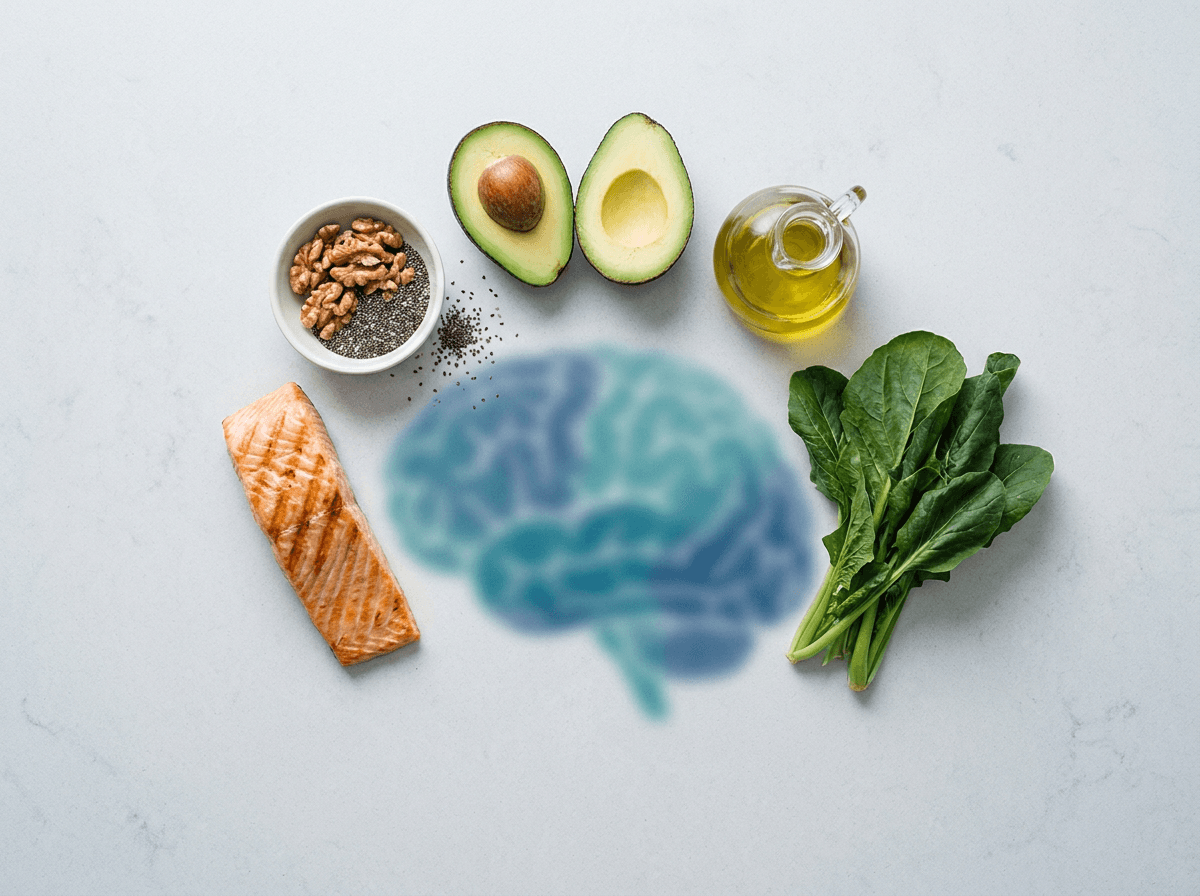
The Role of Healthy Fats in Brain Function
Healthy fats are vital for brain function, memory, and neurological health. Omega-3s, monounsaturated fats, and phospholipids support cognition and reduce inflammation.
When people think about brain health, they often focus on mental exercises, sleep, hydration, and vitamins. However, one important part of brain health that is sometimes overlooked is dietary fat.
Healthy fats play an important role in maintaining brain cells, supporting normal neurological function, and providing essential fatty acids. Choosing nutritious sources of fat can be an important part of an overall healthy eating pattern.
From omega-3 fatty acids found in fish and seeds to monounsaturated fats found in avocados and olive oil, different types of healthy fats provide different nutritional benefits.
Why Does the Brain Need Healthy Fats?
The brain contains a high proportion of fat, and certain fatty acids are important components of brain cell membranes. Dietary fats therefore contribute to the normal structure and function of the nervous system.
Healthy fats can support several important processes, including:
Supporting Brain Cell Structure
Fatty acids are components of cell membranes, including the membranes of brain cells. Adequate dietary fat helps provide the body with essential fatty acids needed for normal cellular function.
Supporting Memory and Cognitive Function
Omega-3 fatty acids, particularly DHA (docosahexaenoic acid), are important structural components of the brain and retina. Getting adequate omega-3s as part of a balanced diet supports normal brain function.
However, eating more fat does not automatically improve memory or intelligence. Overall dietary quality, sleep, physical activity, and other lifestyle factors also play important roles in cognitive health.
Supporting Healthy Inflammation Levels
Some types of polyunsaturated fats, including omega-3 fatty acids, are involved in regulating inflammatory processes in the body.
Maintaining a balanced diet that includes healthy fats, vegetables, fruits, whole grains, legumes, nuts, and seeds can support overall health.
The Best Healthy Fats for Brain Health
Not all dietary fats have the same nutritional properties. Focusing on unsaturated fats and nutrient-rich foods can help you build a healthier eating pattern.
Omega-3 Fatty Acids
Omega-3 fatty acids are among the most widely discussed fats when it comes to brain health.
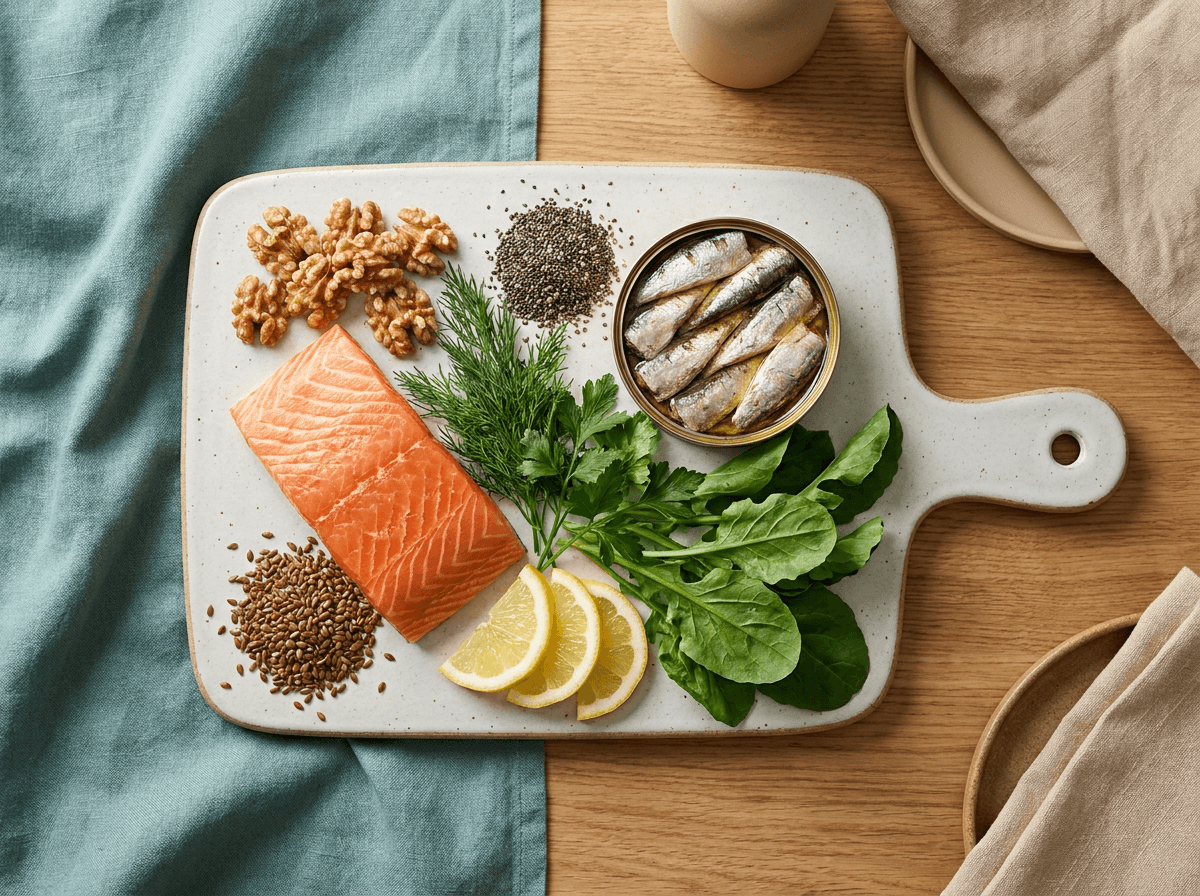
There are several types of omega-3s, including EPA, DHA, and ALA.
Good sources include:
- Salmon
- Sardines
- Mackerel
- Trout
- Walnuts
- Chia seeds
- Flaxseeds
Fatty fish are particularly valuable sources of EPA and DHA, while plant foods such as flaxseeds, chia seeds, and walnuts provide ALA.
The body can convert ALA into EPA and DHA, but this conversion is limited. Including a variety of omega-3-rich foods can therefore be beneficial.
Monounsaturated Fats
Monounsaturated fats are another type of unsaturated fat that can be part of a heart- and brain-friendly diet.
They are found in foods such as:
- Avocados
- Olive oil
- Almonds
- Cashews
- Peanuts
Extra-virgin olive oil, nuts, and avocados can be incorporated into meals in simple ways, such as using olive oil for salad dressings or adding avocado to whole-grain toast.
Polyunsaturated Fats
Polyunsaturated fats include omega-3 and omega-6 fatty acids. Both are essential fats, meaning the body needs them from the diet.
Sources include:
- Walnuts
- Sunflower seeds
- Soybeans
- Soybean oil
- Fatty fish
- Flaxseeds
Rather than trying to eliminate one particular type of unsaturated fat, focus on obtaining fats primarily from whole and minimally processed foods.
Phospholipids and Brain Health
Phospholipids are important components of cell membranes throughout the body, including brain cells.
Foods such as eggs and soy products contain phospholipids and other nutrients that contribute to a balanced diet.
Eggs also provide protein, choline, vitamin B12, and other nutrients involved in normal brain and nervous-system function.
Fats to Limit for Better Overall Health
While healthy fats are important, it is equally important to pay attention to the types and amounts of fat you consume.
Trans Fats
Industrial trans fats are particularly harmful to cardiovascular health and should be avoided as much as possible. They may be found in some highly processed and fried foods, although many countries have significantly reduced their use. Pears can be included as part of a balanced diet as a nutritious whole food option, although they do not eliminate the risks associated with consuming trans fats.
Always check food labels where applicable, especially when buying highly processed foods.
Excess Saturated Fat
Saturated fats are found naturally in foods such as meat, dairy products, butter, and some tropical oils.
They do not need to be completely eliminated, but consuming excessive amounts can contribute to higher LDL cholesterol in many people.
A practical approach is to replace some foods high in saturated fat with sources of unsaturated fat, such as olive oil, nuts, seeds, avocado, and fish.
How to Add More Healthy Fats to Your Diet
Making healthier fat choices does not have to be complicated.
Eat Fatty Fish
Include fish such as salmon, sardines, trout, or mackerel in your meals when possible. Many dietary guidelines recommend eating fish regularly as part of a balanced diet.
Use Olive Oil
Use olive oil in salad dressings or in place of butter for some cooking applications.
Snack on Nuts and Seeds
A small portion of unsalted nuts or seeds can provide healthy fats, protein, fibre, and other nutrients.
Add Avocado
Avocado can be added to salads, sandwiches, toast, or smoothies for a creamy source of monounsaturated fat.
Include Eggs
Eggs provide protein and several important nutrients, including choline, which plays a role in normal brain and nervous-system function.
Healthy Fats and a Balanced Diet
Adding healthy fats to your diet does not mean eating unlimited amounts. Fat contains more calories per gram than carbohydrates or protein, so portion sizes still matter.
The best approach is to build meals around a variety of nutrient-rich foods. Combine healthy fats with vegetables, fruits, whole grains, legumes, lean proteins, nuts, and seeds.
For example, a balanced meal could include grilled salmon, leafy greens, whole grains, and vegetables dressed with olive oil.
Other Lifestyle Habits That Support Brain Health
Diet is only one part of maintaining brain health. Other healthy habits can also make a difference.
Regular physical activity supports cardiovascular health and overall wellbeing. Getting adequate sleep helps the brain recover and supports memory and concentration. Staying socially connected, managing stress, avoiding smoking, and controlling conditions such as high blood pressure and diabetes can also contribute to long-term health.
Frequently Asked Questions
1. Why are healthy fats important for brain function?
Healthy fats provide fatty acids that contribute to the structure and normal function of brain cells. Omega-3 fatty acids, particularly DHA, are important components of brain tissue.
2. Which foods are highest in omega-3 fatty acids?
Fatty fish such as salmon, sardines, mackerel, and trout are excellent sources of EPA and DHA. Flaxseeds, chia seeds, and walnuts provide the plant-based omega-3 ALA.
3. Are avocados good for brain health?
Avocados provide monounsaturated fats, fibre, potassium, and other nutrients. They can be included as part of an overall balanced diet that supports cardiovascular and general health.
4. Should I avoid all saturated fats?
No. Saturated fat does not need to be completely eliminated, but excessive intake can increase LDL cholesterol in many people. Replacing some saturated fat with unsaturated fats can be a healthier choice.
5. Are nuts and seeds good sources of healthy fats?
Yes. Nuts and seeds such as walnuts, almonds, chia seeds, and flaxseeds provide unsaturated fats along with fibre, protein, vitamins, minerals, and other beneficial nutrients.
6. Can healthy fats improve memory?
Healthy fats, particularly omega-3 fatty acids, are important for normal brain structure and function. However, eating a specific food or nutrient alone cannot guarantee improved memory. Sleep, exercise, overall diet, and other lifestyle factors are also important.
Conclusion
Healthy fats are an important part of a balanced diet and play a role in normal brain structure and neurological function. Omega-3 fatty acids, monounsaturated fats, and phospholipids can be obtained from a variety of nutritious foods, including fatty fish, avocados, olive oil, nuts, seeds, and eggs.
At the same time, it is important to limit trans fats and avoid excessive amounts of saturated fat. Instead of focusing on a single "brain-boosting" food, aim for an overall eating pattern rich in whole and minimally processed foods.
Combined with regular exercise, quality sleep, stress management, and appropriate healthcare, healthy dietary choices can help support your brain and overall wellbeing throughout life.
For personalised health guidance, MyHomeDoc Telehealth provides convenient telemedicine services for patients in Texas.
Have questions? Talk to a doctor today.
MyHomeDoc physicians are available 7 days a week across Texas.
Book an Appointment