 MyHomeDoc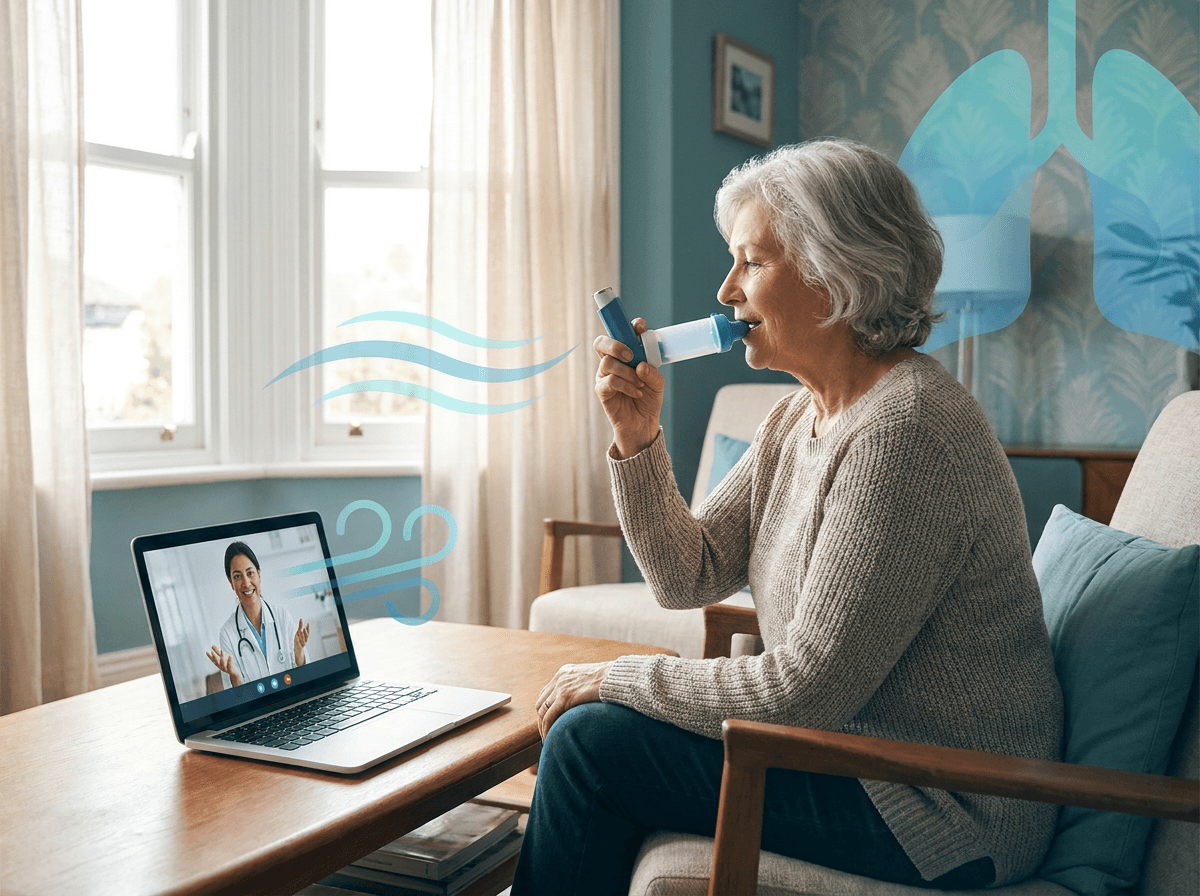
Why Is My Asthma Getting Worse With Age?
Learn why asthma may get worse with age, including changes in lung function, infections, lifestyle, and treatment challenges, plus tips for better asthma management.
Does it feel like your asthma is becoming harder to control as you get older? Although asthma can affect people at any age, changes that occur with ageing can sometimes make breathing problems more noticeable or make asthma management more challenging.
Asthma is a chronic condition that requires ongoing monitoring and treatment. Understanding why symptoms may change with age can help you identify triggers, follow your treatment plan, and know when to seek medical care.
What Is Asthma?
Asthma is a chronic condition that affects the airways in your lungs. When asthma symptoms occur, the airways can become inflamed, swollen, and narrowed. This can make it difficult to move air in and out of the lungs.
Common asthma symptoms include:
- Wheezing
- Coughing
- Shortness of breath
- Chest tightness
- Difficulty breathing, particularly during an asthma flare-up
Asthma symptoms can vary from person to person and may come and go over time.
What Can Trigger Asthma Symptoms?
A variety of factors can trigger or worsen asthma symptoms. Common triggers include:
- Exercise
- Colds, flu, and other respiratory infections
- Changes in weather
- Allergies
- Air pollution
- Cigarette smoke and second-hand smoke
- Certain medications
- Stress and strong emotions
People with a family history of asthma or allergies may also have a higher risk of developing the condition.
Identifying your personal triggers is an important part of keeping asthma under control.

Why Can Asthma Get Worse With Age?
Asthma does not necessarily worsen as you get older, but several age-related and lifestyle factors can make symptoms more difficult to manage.
Changes in Lung Function
As people age, lung function naturally changes. The lungs can become less elastic, and the muscles involved in breathing may become weaker.
These changes can reduce how efficiently you breathe and may make existing asthma symptoms feel more noticeable. The role of healthy fats in brain health is also important, as healthy fats support normal brain function and overall neurological health.
However, worsening breathing should not automatically be attributed to ageing. Other conditions, including chronic obstructive pulmonary disease (COPD), heart disease, respiratory infections, or other lung problems, can cause similar symptoms.
If your breathing has changed significantly, speak with a healthcare professional for an appropriate evaluation.
Lifestyle Changes
Many people become less physically active as they get older. Reduced activity can affect cardiovascular fitness, muscle strength, and overall endurance.
Regular physical activity can support lung and heart health and help maintain a healthy weight. However, people with asthma should discuss appropriate exercise with their healthcare professional, particularly if exercise triggers symptoms.
Maintaining a healthy weight can also be helpful because excess weight can contribute to breathlessness and may make asthma symptoms more difficult to control.
Respiratory Infections
The immune system changes with age, and older adults can be more vulnerable to certain infections.
Respiratory infections such as colds and influenza can trigger asthma flare-ups. Taking preventive measures, such as practising good hand hygiene and staying up to date with recommended vaccinations, may help reduce the risk of some infections.
If an infection causes a noticeable worsening of your asthma, contact your healthcare professional.
Medication and Inhaler Challenges
Managing asthma becomes particularly important as you get older, but physical or cognitive changes can sometimes make treatment more difficult.
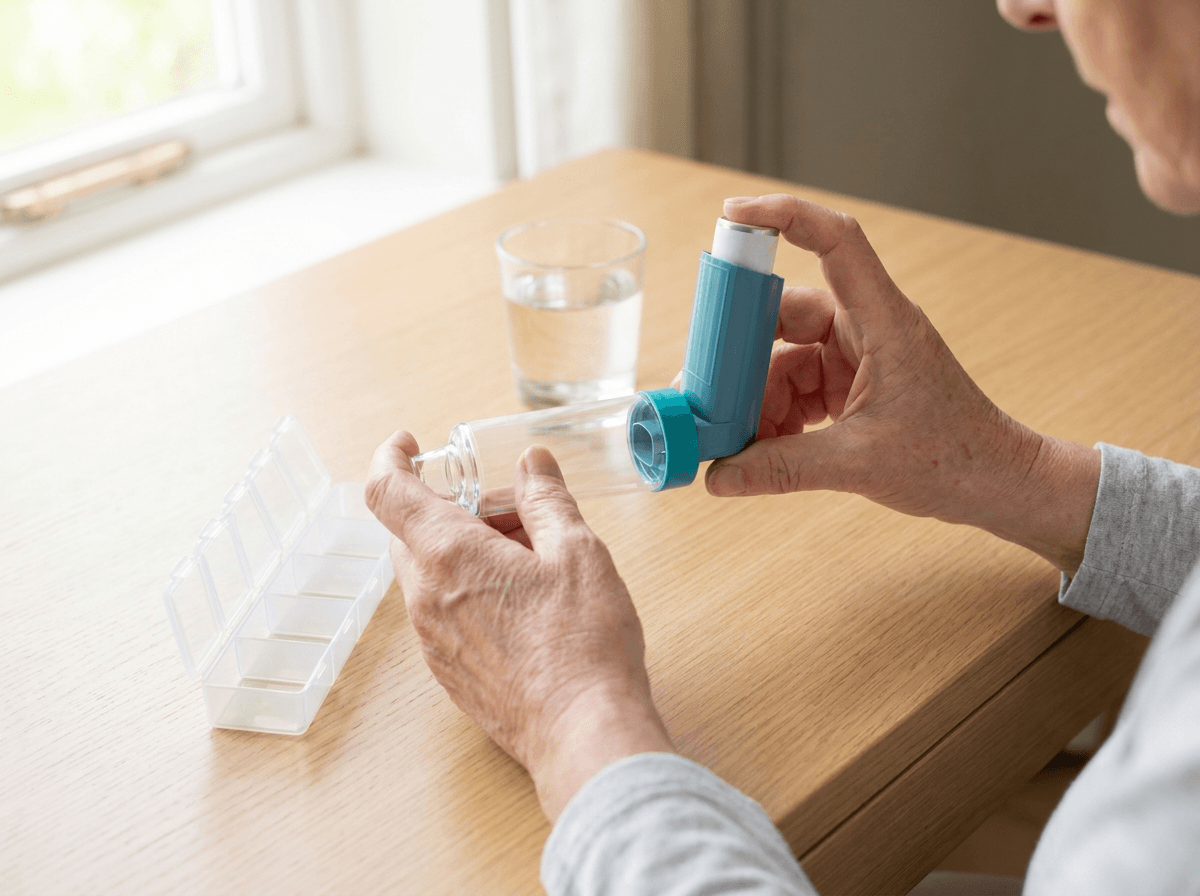
For example, arthritis or reduced hand strength may make it harder to operate certain inhalers. Changes in memory can also make it easier to forget doses or accidentally take medication more than once.
If you are struggling with your inhaler technique or medication schedule, talk with your healthcare professional. They may be able to recommend a different inhaler device, a spacer, or strategies to make your treatment routine easier.
Never stop or change prescribed asthma medication without medical advice.
How Can You Manage Asthma as You Age?
Asthma can often be managed effectively with appropriate treatment and regular monitoring.
Follow Your Asthma Treatment Plan
Take your medications exactly as prescribed. If your symptoms are changing or your current treatment does not seem to be working as well as it used to, contact your healthcare professional.
Your treatment plan may need to be reviewed or adjusted.
Learn Your Triggers
Keep track of situations that cause your symptoms to worsen. You may notice a connection with pollen, dust, smoke, cold air, exercise, infections, or particular environments.
Avoiding known triggers when possible can reduce the likelihood of flare-ups.
Stay Physically Active
Regular activity can support overall fitness and wellbeing. If exercise triggers asthma symptoms, ask your healthcare professional about appropriate activities and how to manage exercise-related symptoms.
Maintain a Healthy Weight
If you are carrying excess weight, gradual and sustainable weight management may improve overall health and may make breathing easier.
Focus on balanced nutrition, regular physical activity, adequate sleep, and realistic long-term goals.
Monitor Changes in Your Breathing
Pay attention to changes in symptoms, including increased coughing, wheezing, chest tightness, nighttime symptoms, or increased use of a quick-relief inhaler.
A noticeable change may indicate that your asthma is not adequately controlled and that your treatment plan needs to be reviewed.
When Should You Seek Medical Help?
Contact a healthcare professional if:
- Your asthma symptoms are becoming more frequent.
- You are waking up at night because of breathing problems.
- You need your quick-relief inhaler more often than usual.
- Your usual medication is no longer controlling your symptoms.
- You are experiencing persistent coughing or wheezing.
- You are finding normal activities increasingly difficult because of breathlessness.
Seek Emergency Care for Severe Breathing Problems
Severe shortness of breath, difficulty speaking because you cannot catch your breath, blue or grey lips or face, confusion, or rapidly worsening symptoms can be signs of a medical emergency.
If you are experiencing severe breathing difficulty, seek emergency medical care immediately.
How MyHomeDoc Can Help With Asthma Management
Asthma requires ongoing care rather than occasional treatment. MyHomeDoc Telehealth provides convenient virtual healthcare for patients throughout Texas.
Our healthcare professionals can help with chronic condition management, medication management, lifestyle guidance, and evaluation of changes in symptoms.
Telehealth can be particularly convenient when you need to discuss changes in your asthma symptoms without travelling to a clinic. However, severe breathing problems require immediate in-person emergency care.
MyHomeDoc provides telehealth services throughout Texas, including patients in Dallas, Houston, Fort Worth, Austin, San Antonio, and Victoria.
Frequently Asked Questions
1. Does asthma naturally get worse with age?
Not necessarily. Asthma can remain stable, improve, or become more difficult to control as a person gets older. Age-related changes in lung function, infections, lifestyle changes, and other health conditions can contribute to worsening symptoms.
2. Why am I suddenly more short of breath as I get older?
Shortness of breath can have many causes, including asthma, respiratory infections, COPD, heart conditions, reduced fitness, and other medical problems. New or worsening breathlessness should be evaluated rather than automatically being blamed on ageing.
3. Can exercise make asthma worse?
Exercise can trigger symptoms in some people with asthma, but regular physical activity can still be beneficial. Talk with your healthcare professional about how to exercise safely and manage exercise-related asthma symptoms.
4. Can asthma medication become less effective with age?
Asthma symptoms and treatment needs can change over time. If your medication does not seem to be controlling your symptoms as well as before, contact your healthcare professional rather than changing the dose yourself.
5. Can asthma be managed through telehealth?
Many aspects of asthma care, including symptom discussions, medication reviews, treatment planning, and chronic disease management, may be handled through telehealth. However, severe breathing difficulties require emergency medical evaluation.
Conclusion
Asthma can change throughout life, and some people may find their symptoms harder to control as they get older. Changes in lung function, reduced physical activity, respiratory infections, medication challenges, and other health conditions can all contribute to breathing difficulties.
The good news is that asthma can often be managed with regular monitoring, appropriate treatment, trigger avoidance, physical activity, and healthy lifestyle choices.
If your asthma symptoms are changing or becoming more difficult to control, do not simply assume that ageing is the cause. Speak with a healthcare professional to determine what is happening and whether your treatment plan needs to be adjusted.
For convenient asthma and chronic disease management, MyHomeDoc Telehealth offers virtual healthcare services throughout Texas.
Have questions? Talk to a doctor today.
MyHomeDoc physicians are available 7 days a week across Texas.
Book an Appointment